21 Tiny Dining Room Ideas to Make Your Space Feel Bigger and Cozy
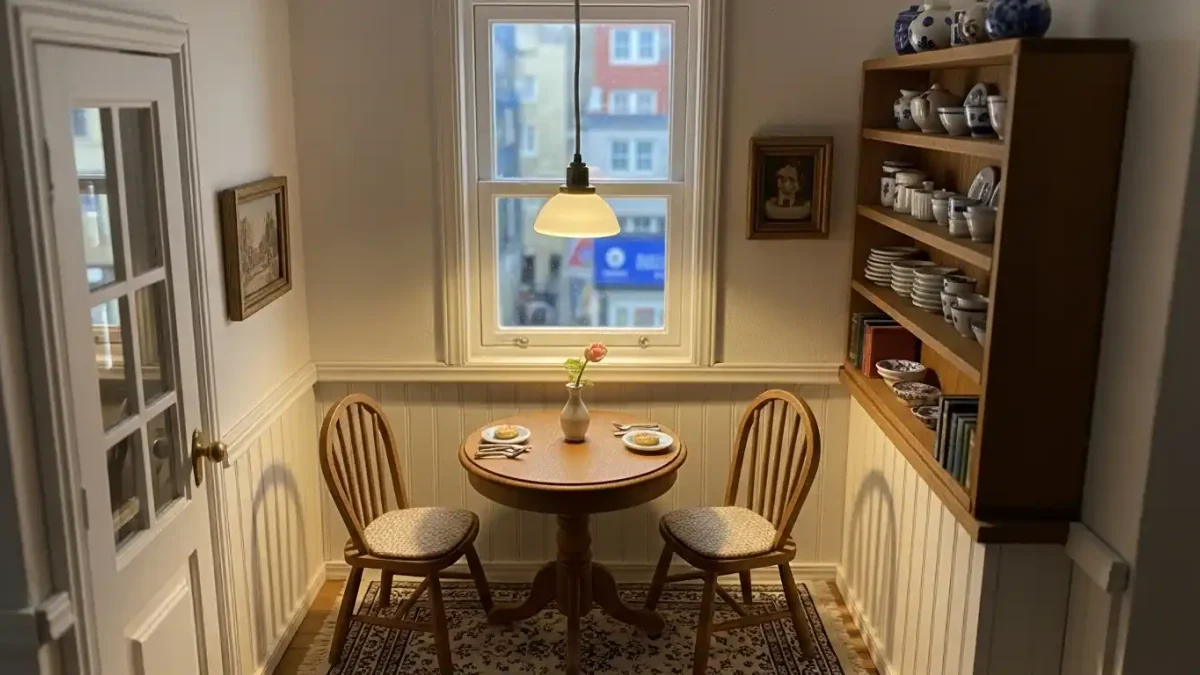
20 Tiny Dining Room Ideas to Make Your Space Feel Bigger and Cozy
Designing a tiny dining room—or carving an eating nook out of a studio apartment corner—often feels like a tug-of-war between two competing goals. If you focus strictly on saving space with stark walls and clinical folding furniture, the room can quickly feel cold and temporary. On the other hand, packing in heavy wooden buffets and oversized chairs makes the footprint feel cramped and cluttered.
The secret to the best tiny dining room ideas is pairing visual space-maximizers (like round pedestal silhouettes, armless profiles, and light-bouncing mirrors) with tactile, low-bulk warmth (like 2700K pendant glow, honey wood grain, and nubby linen textiles). Here are 20 practical ideas that make your dining space feel noticeably bigger and effortlessly cozy at the same time.
1. A Round Table to Soften a Tight Space's Sightlines
Swapping a boxy square table for a 36- to 42-inch round pedestal dining table immediately opens up walkway flow in a tight room. Without sharp corners jutting into traffic paths, your eye glides smoothly around the perimeter, making the walls feel farther apart. At the same time, a circular top pulls diners closer together for intimate, cafe-style conversation where everyone shares the same centerpiece glow.
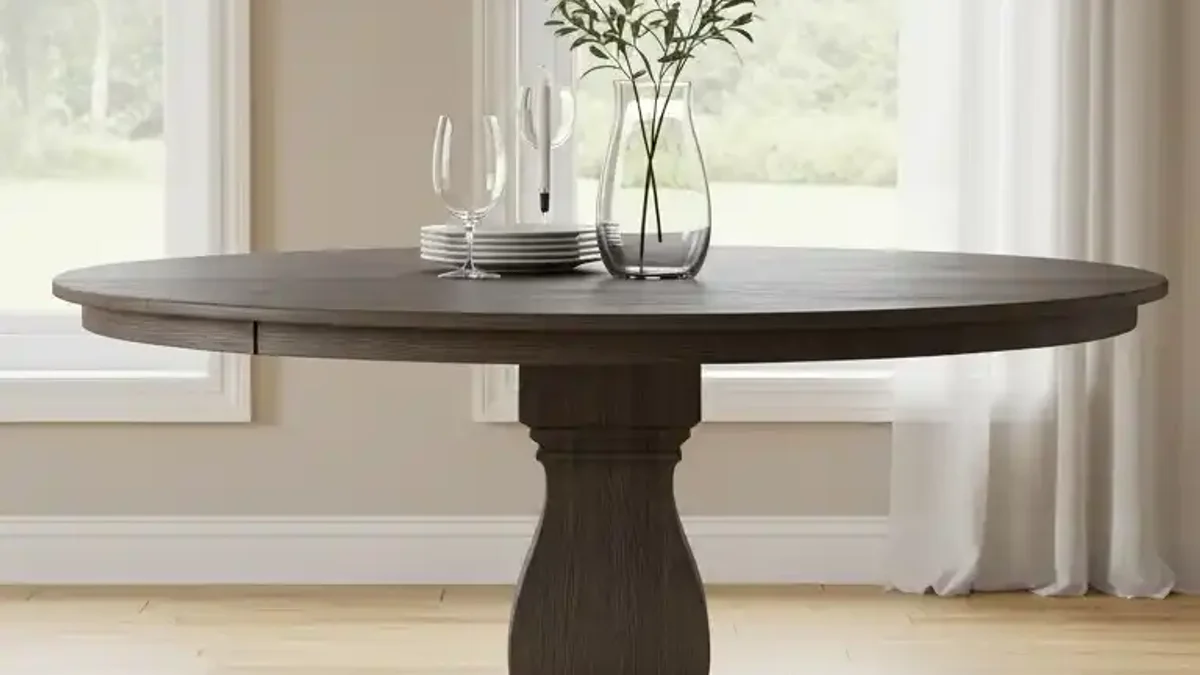
2. Light, Neutral Wall Colors to Open Up the Room
Painting a compact dining area in warm alabaster, creamy oat, or soft greige blurs the shadow lines where walls meet the ceiling, visually pushing the room's boundaries outward. Unlike icy stark white—which can turn shadowy and sterile in small rooms—neutral paint with subtle yellow or taupe undertones reflects warm golden daylight while wrapping evening meals in a soft, welcoming envelope.
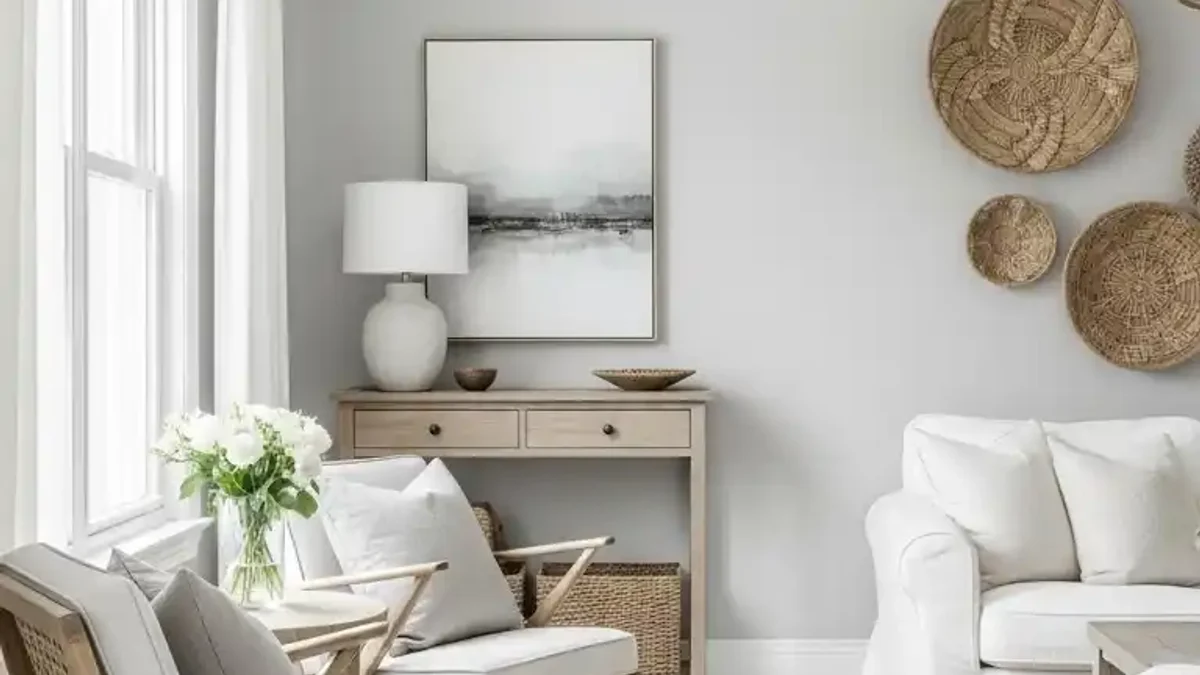
3. A Mirror to Visually Double the Dining Area
Hanging a large mirror—or installing an antiqued mirrored wall panel—directly beside your dining table creates an optical window that doubles perceived depth overnight. By bouncing natural light from the nearest window across the table surface, the room feels twice as wide. To keep the reflection warm rather than chilly, position the mirror so it reflects glowing pendant bulbs, framed art, or warm wood tones.
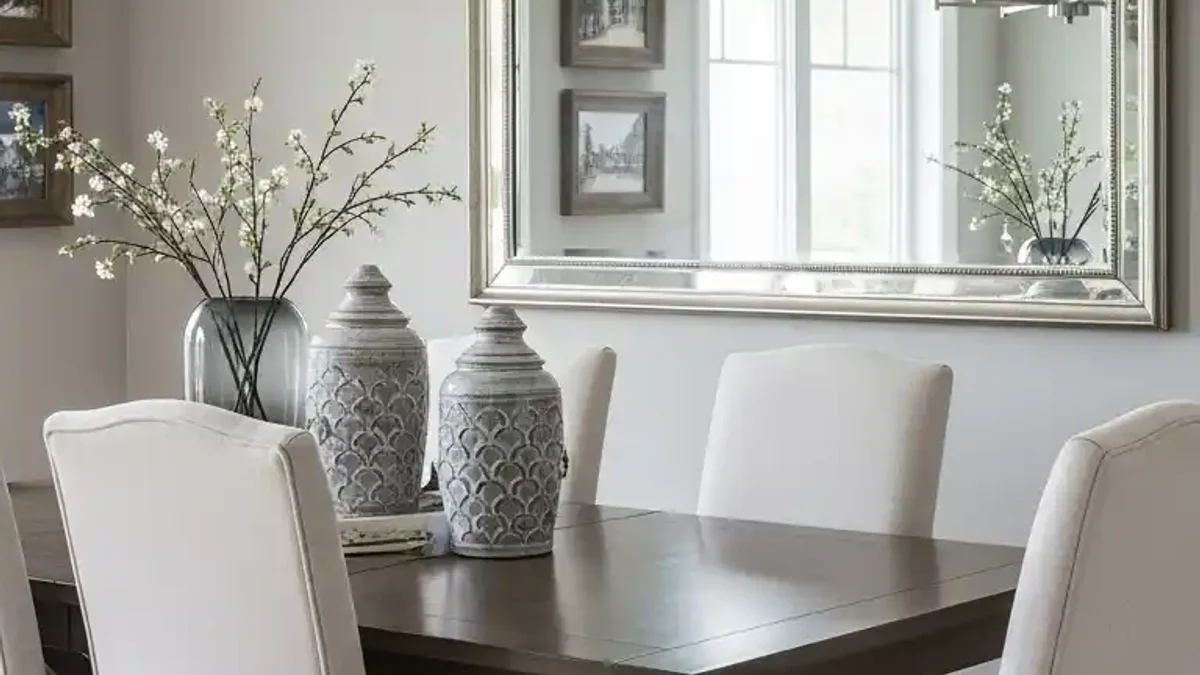
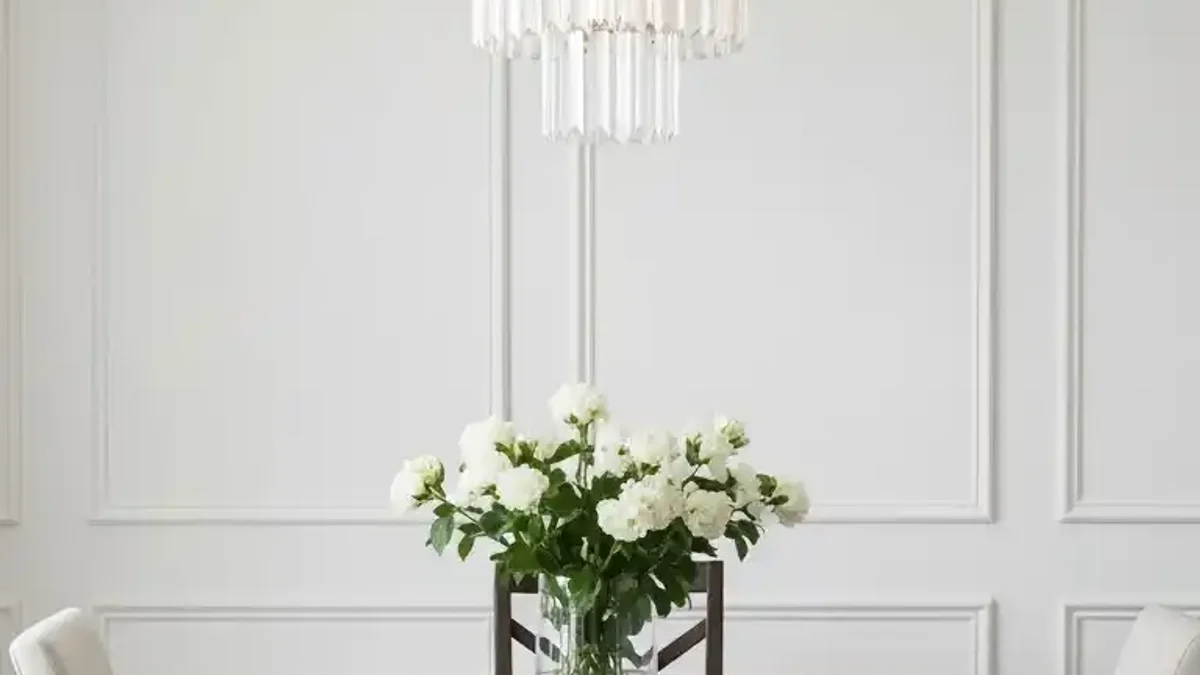
4. Warm Pendant Lighting to Add Coziness Without Taking Up Space
Floor lamps and table lamps eat up precious square footage in a tiny dining area, whereas a low-hung warm pendant light anchors the table using zero floor space. Dropping a woven rattan dome, pleated linen shade, or milk-glass pendant 30 to 32 inches above the tabletop draws the eye toward the center of the table, creating an intimate campfire-style pool of light that makes small proportions feel intentional.
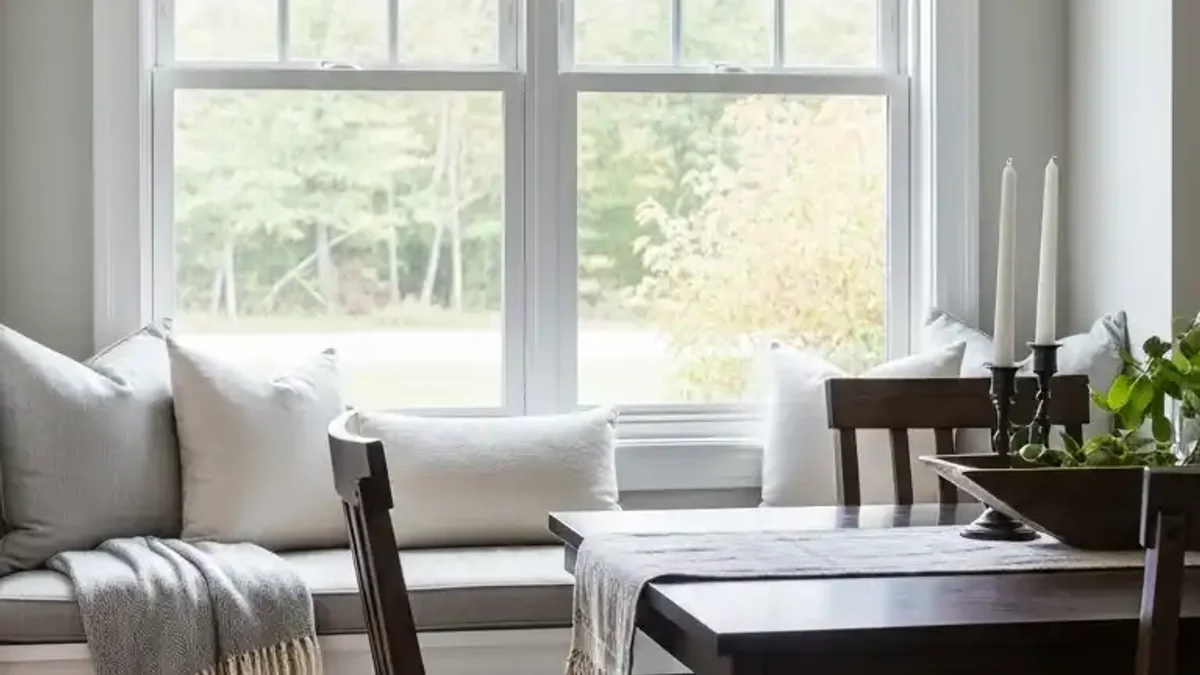
5. Bench Seating on One Side to Save Space and Add Texture
Standard dining chairs require at least 24 to 30 inches of pull-back clearance behind them, which can block doorways in a narrow room. Replacing two chairs on one side with a backless wooden or upholstered dining bench lets you push the table closer to the wall—or slide the bench completely underneath the tabletop between meals—while adding a relaxed, communal farmhouse warmth.
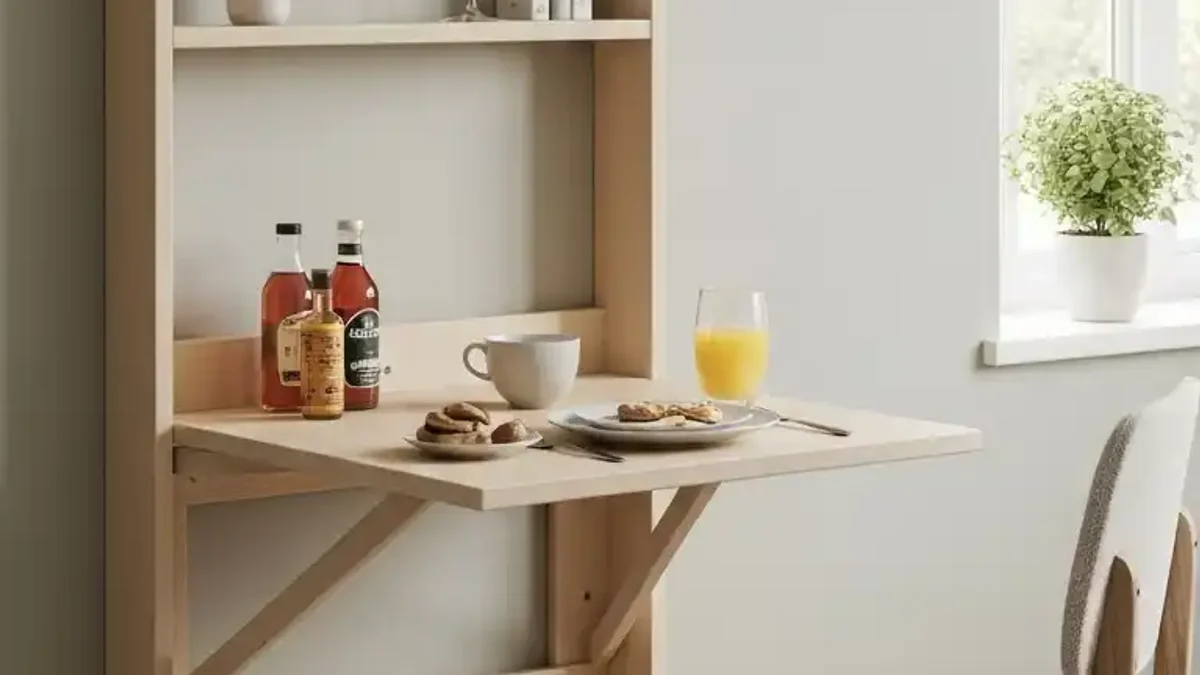
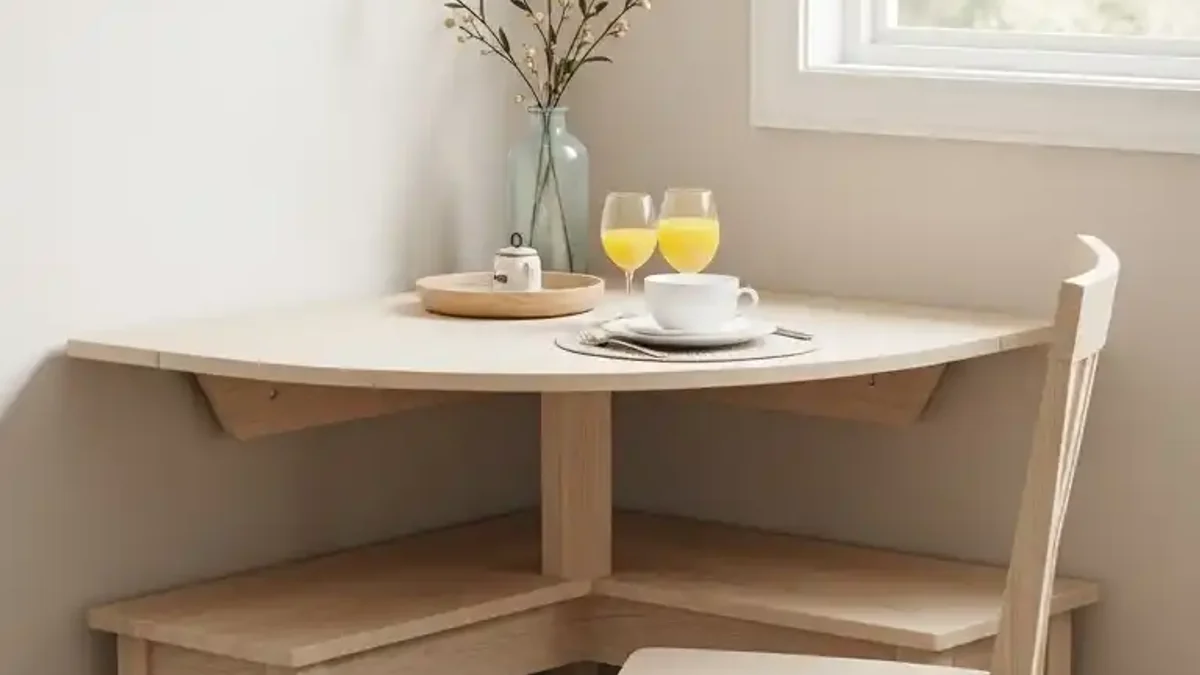
6. A Drop-Leaf or Extendable Table for Flexible Use
When your dining room doubles as a hallway or home office, a wall-mounted drop-leaf or gateleg extendable table gives you square footage back whenever you aren't eating. Keep one or both hinged leaves folded down for cozy two-person morning coffee against the wall, then swing the leaves up on Friday nights to host four to six friends comfortably without crowding the room all week long.
7. Layered Lighting (Pendant Plus Warm Accent Lighting)
Relying on a single overhead ceiling fixture leaves the upper corners of a small dining room in shadow, which makes the walls feel like they are closing in. Combining a central pendant with subtle perimeter accent lighting—such as slim brass wall sconces or a petite rechargeable cordless lamp—illuminates vertical wall surfaces to expand the room while bathing diners in flattering, multi-directional warmth.
8. A Small Statement Rug to Define and Warm the Space
In open-concept studios or combined living-dining rooms, a dining table floating on bare flooring can look lost and temporary. Anchoring your table and chairs on a correctly proportioned low-pile statement rug visually carves out a dedicated room-within-a-room, while underfoot wool or woven jute absorbs echo and adds instant tactile coziness.
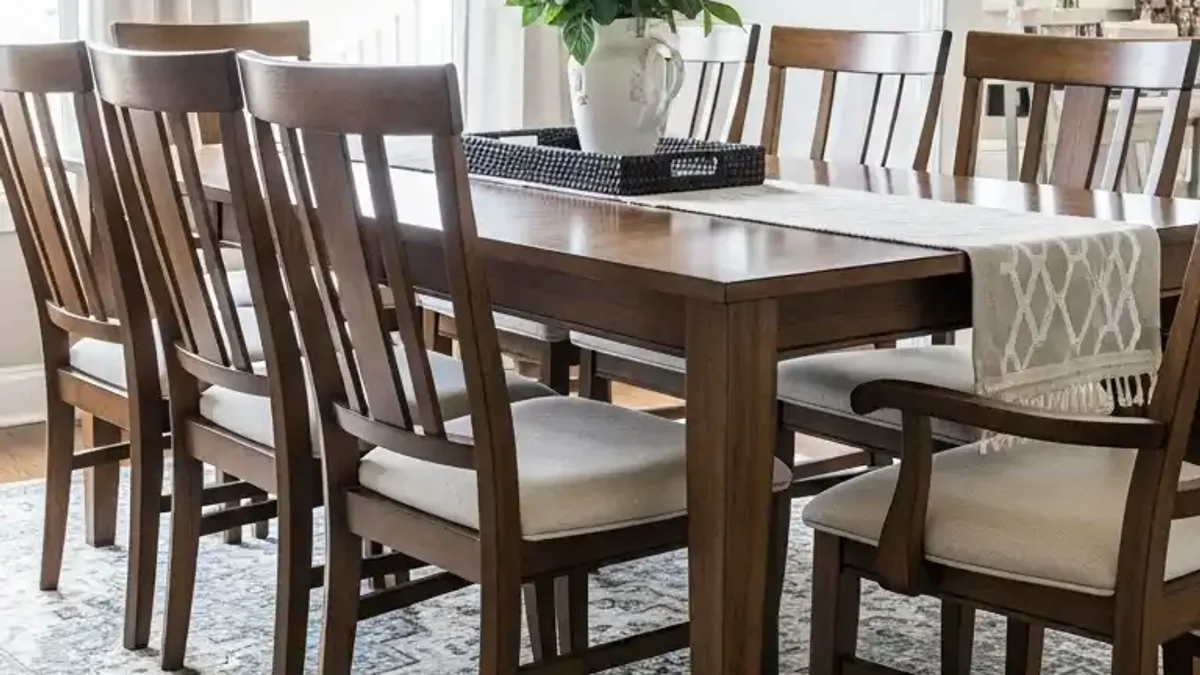
9. Slim, Armless Dining Chairs to Reduce Visual Bulk
Bulky upholstered parson chairs with thick rolled arms block sightlines and refuse to tuck all the way under a small table skirt. Switching to slim, armless spindle-back, bentwood café, or cane-back dining chairs lets light pass freely through the open backrests and allows every chair to slide flush under the tabletop, freeing up an extra 14 inches of walkway clearance around the room.
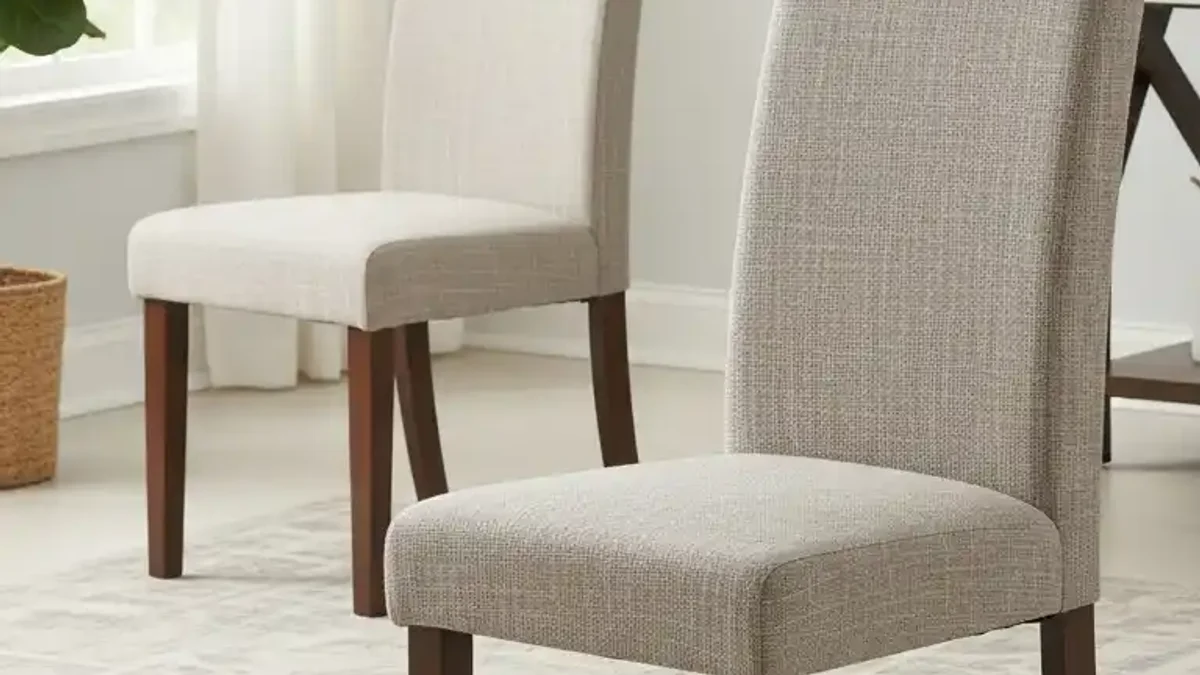
10. Warm Wood Tones to Add Coziness Against Light Walls
While light walls keep a tiny dining room airy, an all-white furniture setup can quickly feel like a doctor's waiting room. Introducing warm mid-tone woods—like tapered walnut table legs, honey oak chairs, or a teak centerpiece bowl—grounds the bright walls with rich natural grain. Exposed, slender wooden legs also let you see the floor continuing beneath the furniture, which tricks the brain into perceiving more square footage.
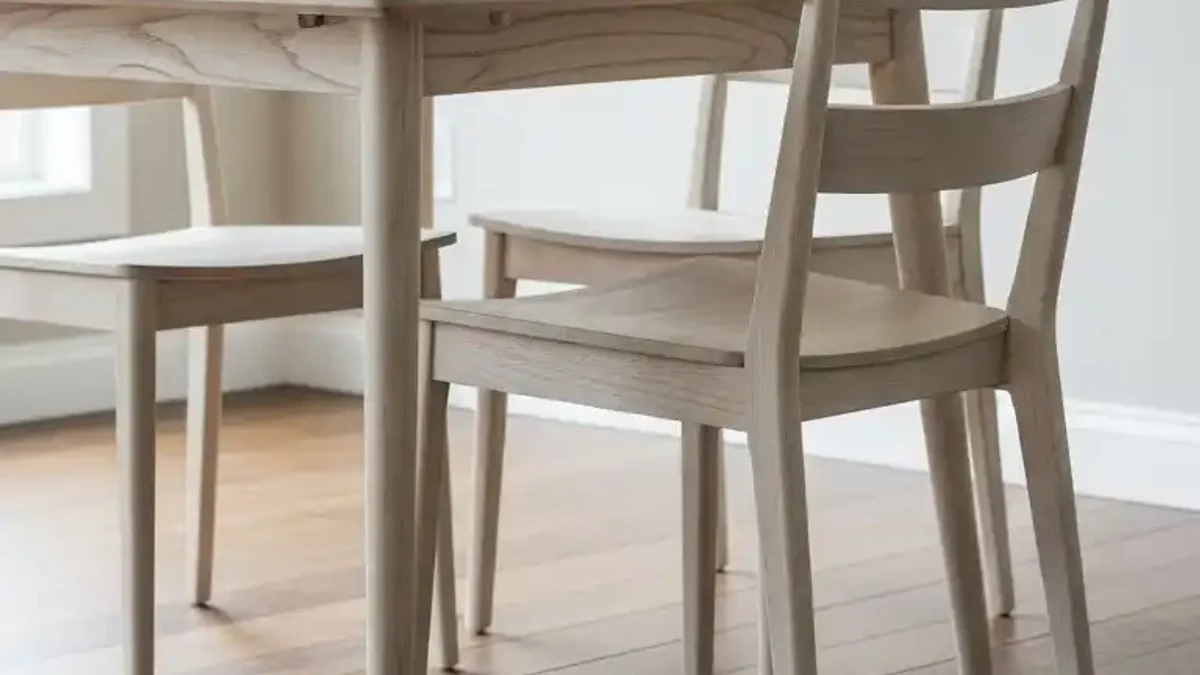
11. A Built-In Banquette for Space-Saving, Cozy Seating
Tucking an L-shaped or single-wall built-in banquette directly into a corner eliminates the dead 18-inch gap behind standard chairs, reclaiming up to six square feet of floor space. Even better, a tufted upholstered backrest and hinged under-seat storage bench turn an awkward architectural alcove into the coziest booth in the house—plus a hidden home for seasonal platters and table linens.
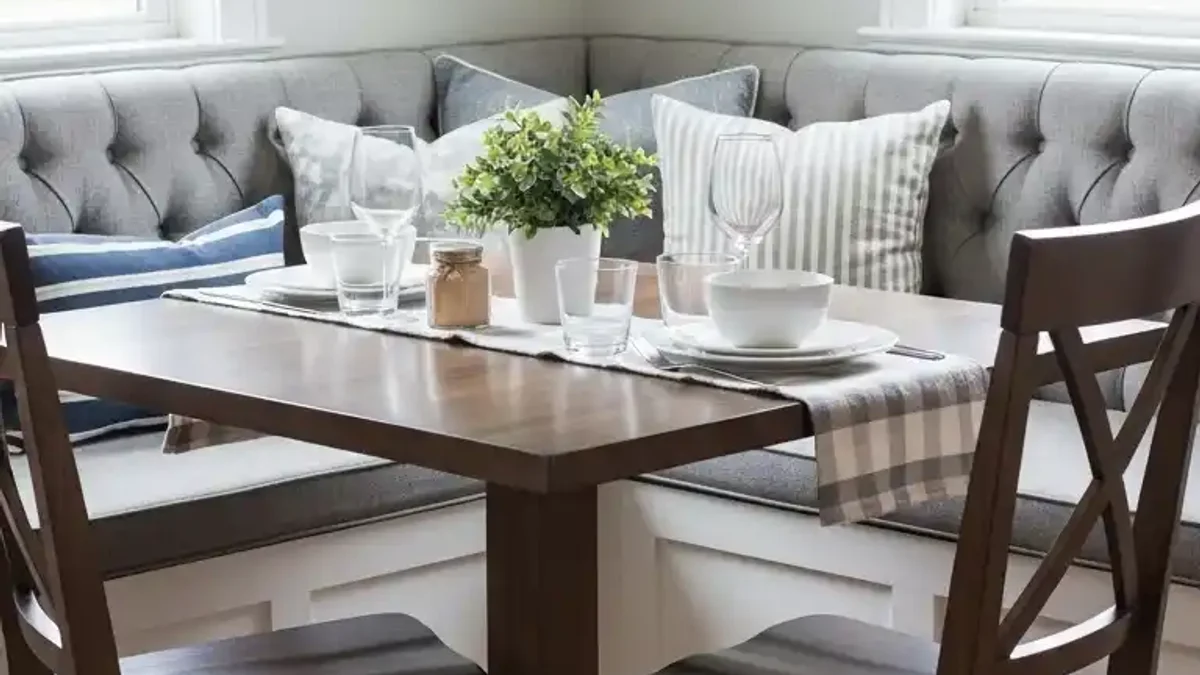
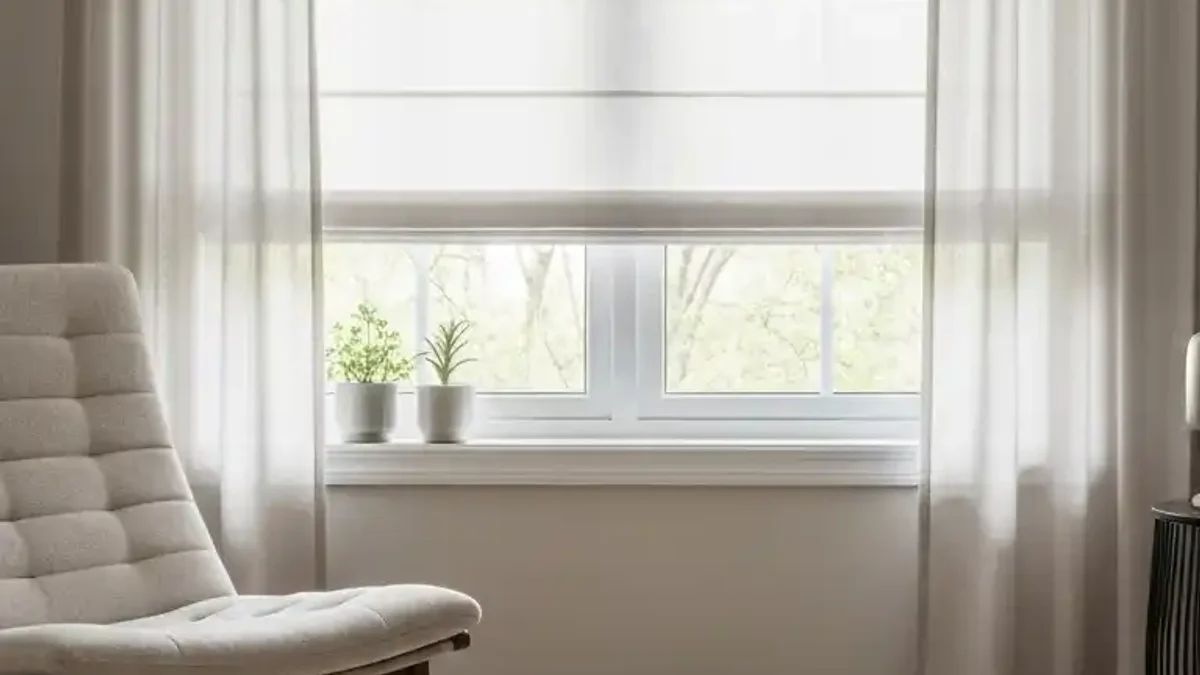
12. Sheer Curtains to Keep the Room Feeling Bright and Open
Heavy velvet or blackout drapes swallow up wall width and block the natural sunlight a tiny dining room desperately needs. Hanging floor-skimming sheer linen or cotton voile curtains filters harsh midday glare into a soft, dreamy glow while keeping the outdoor view visible—extending your sightline past the window glass so the dining nook feels airy and sun-drenched.
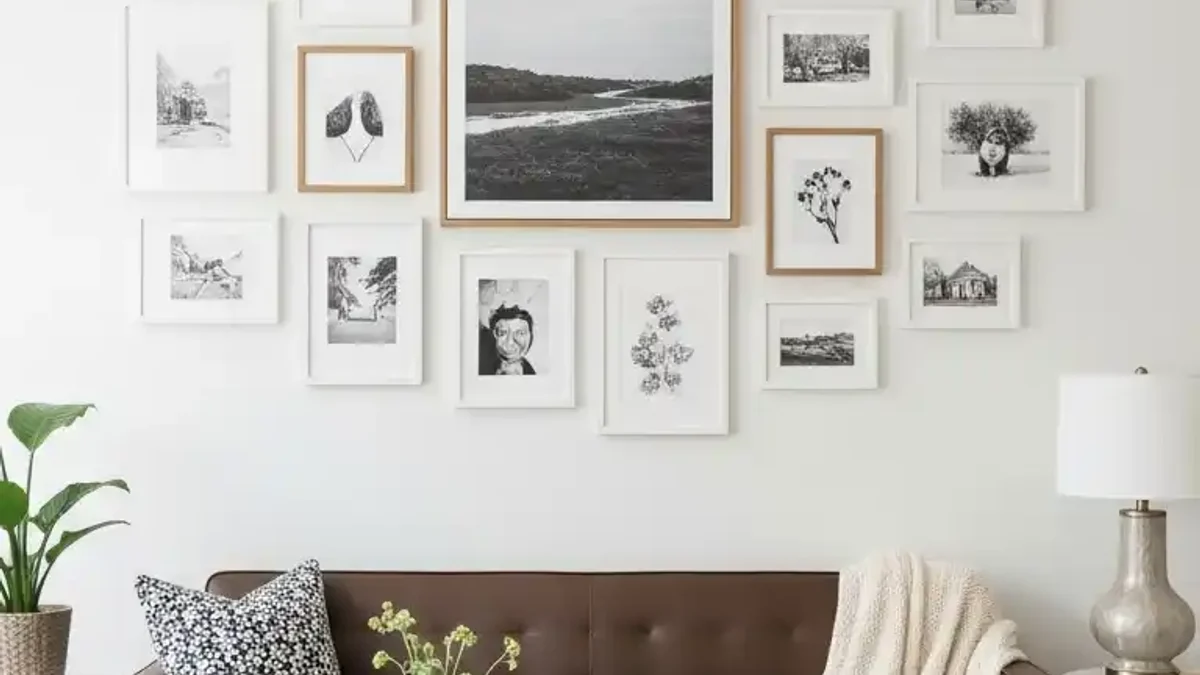
13. A Gallery Wall to Add Warmth Without Floor-Space Impact
When you have zero extra inches for accent chairs, bar carts, or floor plants, your vertical walls become your best design canvas. Curating a cohesive gallery wall of framed botanical sketches, vintage oil landscapes, and family photos draws the eye upward toward the ceiling—making the room feel taller—while wrapping the table in personal, lived-in storytelling warmth.
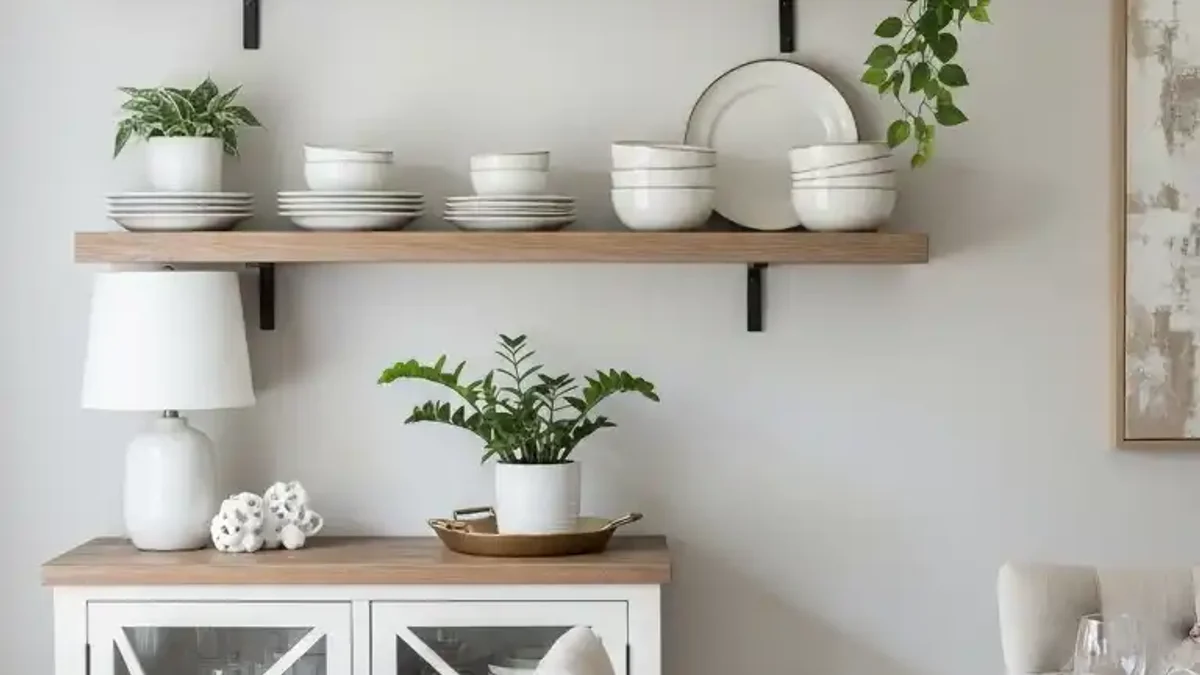
14. Floating Shelves Instead of a Bulky Sideboard
A traditional 18-inch-deep dining room buffet can choke a narrow room, leaving barely enough space to squeeze behind the chairs. Replacing that heavy cabinet with two or three 8- to 10-inch-deep wooden floating shelves keeps the entire floor plane open and unbroken while turning your favorite ceramic bowls, wine glasses, and trailing pothos plants into warm, touchable wall decor.
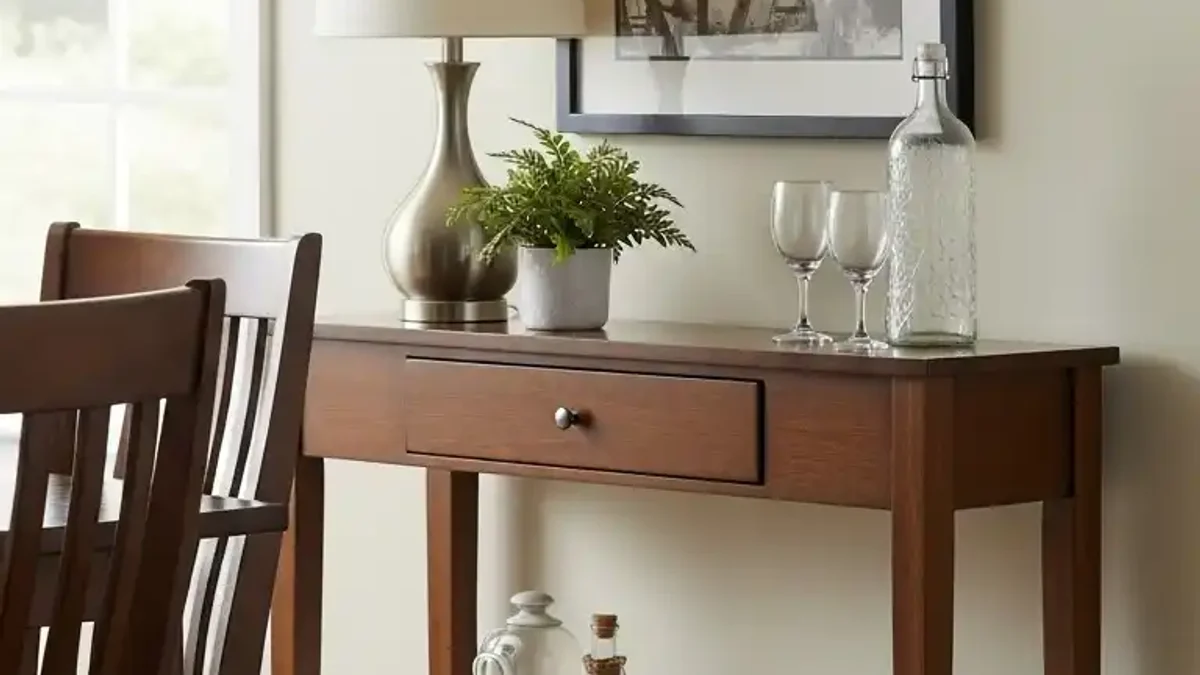
15. Candles or Warm Ambient Lighting for Evening Coziness
Nothing transforms a compact dining corner after sunset faster than real candlelight and low-wattage ambient glow. Grouping unscented beeswax taper candles in brass holders or a slim console lamp along the edge of the dining area softens room corners into a warm halo, making tight walls recede into the background while focusing all attention on the meal and conversation.
16. Textured Table Linens for Warmth Without Visual Clutter
A heavy, floor-length tablecloth turns your dining table into a solid fabric block that makes a small room feel boxed-in. Instead, dress the bare tabletop with a narrow washed-flax linen table runner or woven placemats that leave the table's edges and legs exposed. You get all the acoustic softness and organic warmth of fine textiles without hiding the airy space beneath the table.

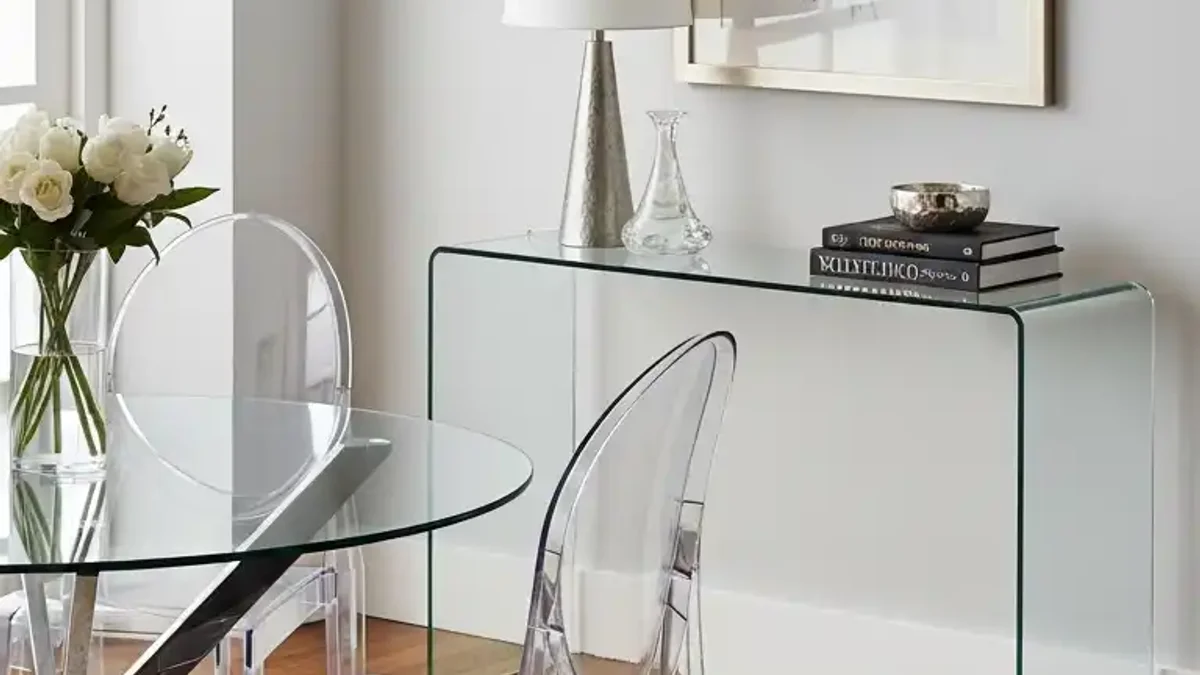
17. A Glass-Top Table to Keep the Space Feeling Light
When a dining area is truly tiny, a clear tempered glass-top dining table is the ultimate optical illusion. Because your eyes see straight through the tabletop to the rug and floor planks below, the table occupies almost zero visual volume. To prevent the glass from feeling cold or corporate, pair it with warm upholstered, cane, or honey-wood chairs and a ceramic vase filled with fresh greenery.
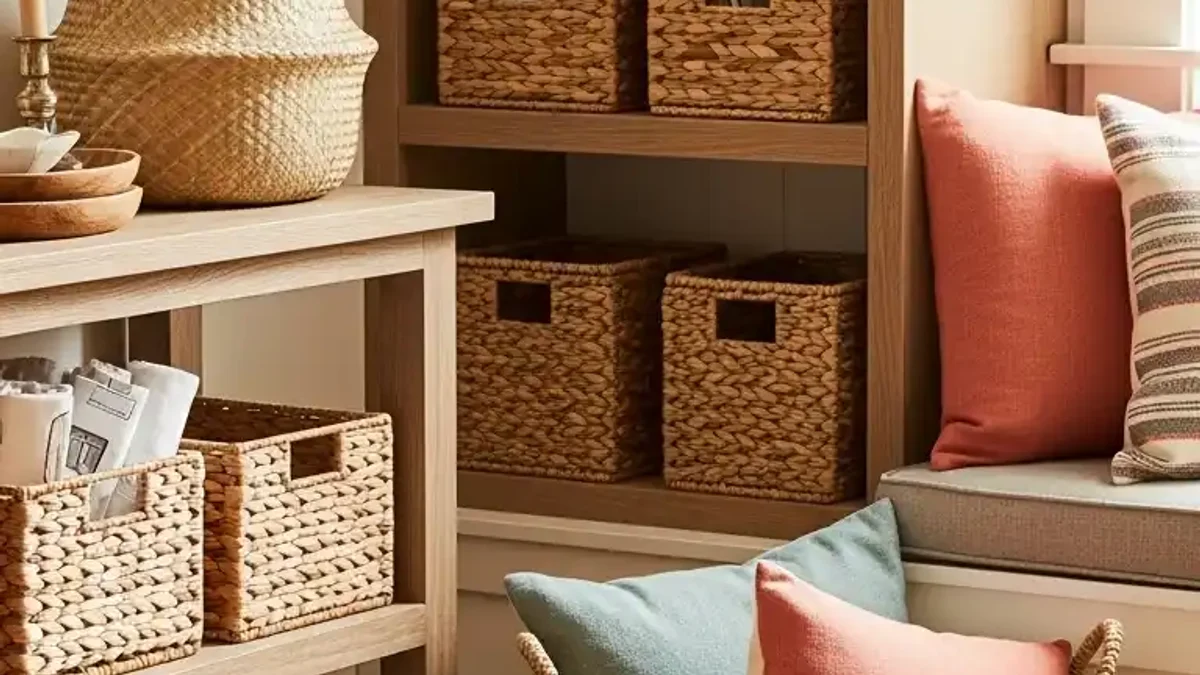
18. Layered Textiles and Woven Baskets for Cozy Texture
Small dining rooms can echo when every surface is wood, drywall, and glass. Layering compact tactile elements—such as tie-on bouclé seat cushions, a gauze table runner, and woven seagrass baskets tucked neatly into a corner—absorbs sound and wraps the space in touchable comfort without widening the furniture footprint.
19. A Small Statement Chandelier as a Warm Focal Point
Don't be afraid of a chandelier in a small dining nook—just choose an open-frame or airy multi-arm silhouette (18 to 22 inches in diameter). A black iron and clear seeded-glass or antique brass chandelier draws the eye upward into the vertical volume of the room while giving your corner dining setup the gravitas and cozy golden glow of a dedicated formal dining room.
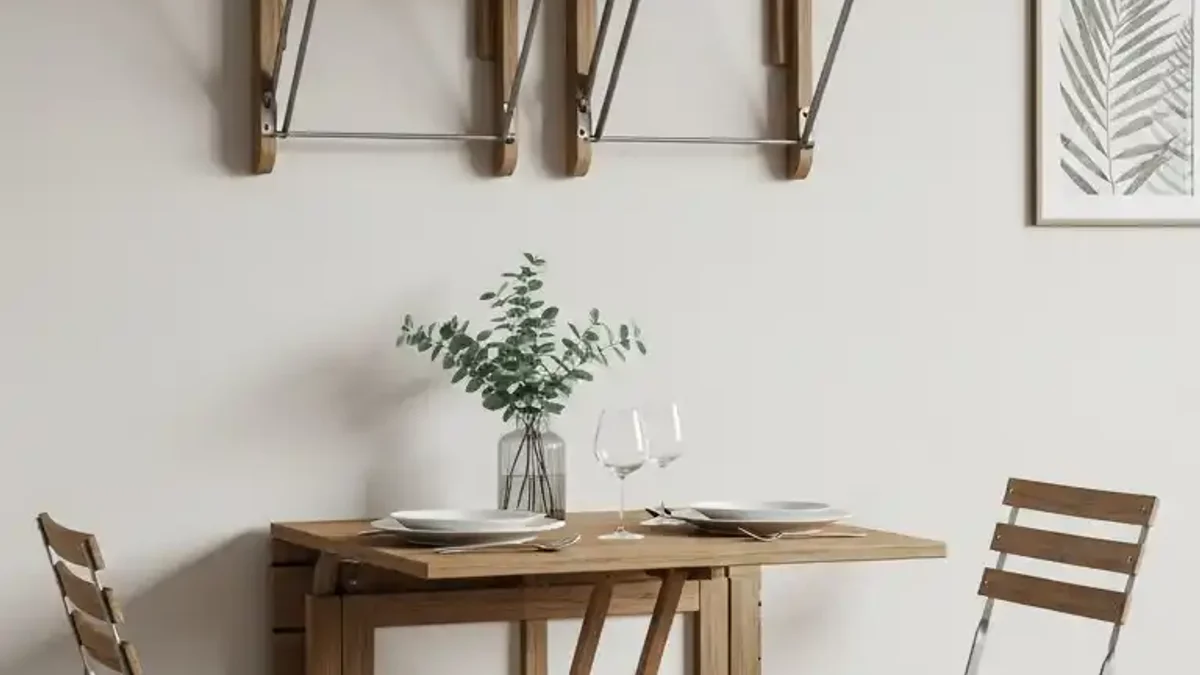
20. Nesting, Foldable, or Stackable Chairs for Flexible Seating
You don't need six permanent chairs crowding your dining area 365 days a year just for the occasional weekend dinner party. Keep two comfortable everyday chairs at the table, and choose sculptural stackable wooden chairs, nesting stools, or slim folding bistro chairs that tuck into a closet—or hang on decorative wall pegs—until guests arrive.
Conclusion: Combine Space-Saving Tricks with Cozy Layers
Making a tiny dining room feel both spacious and deeply inviting isn't about knocking down walls—it's about pairing smart visual lightness with warm, touchable materials. When you clear the floor plane with a round pedestal or glass-top table, armless chairs, a corner banquette, and floating shelves, your eye registers extra breathing room immediately.
Then, by layering in 2700K dimmed pendant light, light-reflecting mirrors, warm wood grain, and washed linen runners, that compact footprint transforms from a tight squeeze into the most cherished gathering spot in your home. Pick three or four ideas from this list that match your room's layout, and watch your small dining space open up and glow.