21 Kitchen Wood Cabinet Color Ideas
20 Kitchen Wood Cabinet Color Ideas
After a decade of stark, all-white kitchens dominating home design, natural wood cabinetry is experiencing a massive renaissance. Homeowners and interior designers alike are trading flat painted surfaces for the unmistakable soul, movement, and longevity of real wood grain. Yet "wood cabinets" no longer mean a single dated orange-oak look—today's spectrum of kitchen wood cabinet colors spans from breezy Nordic whitewashed oak and creamy blonde maple to velvety American black walnut, smoky ash, and dramatic midnight ebony.
Every wood species and stain finish shapes the mood of a kitchen differently: pale, tight-grained woods bounce daylight around compact rooms, while deep, chocolatey or reddish stains anchor expansive open-plan kitchens with tailored sophistication. Below, explore 20 inspiring wood cabinet tones and how to style each one.
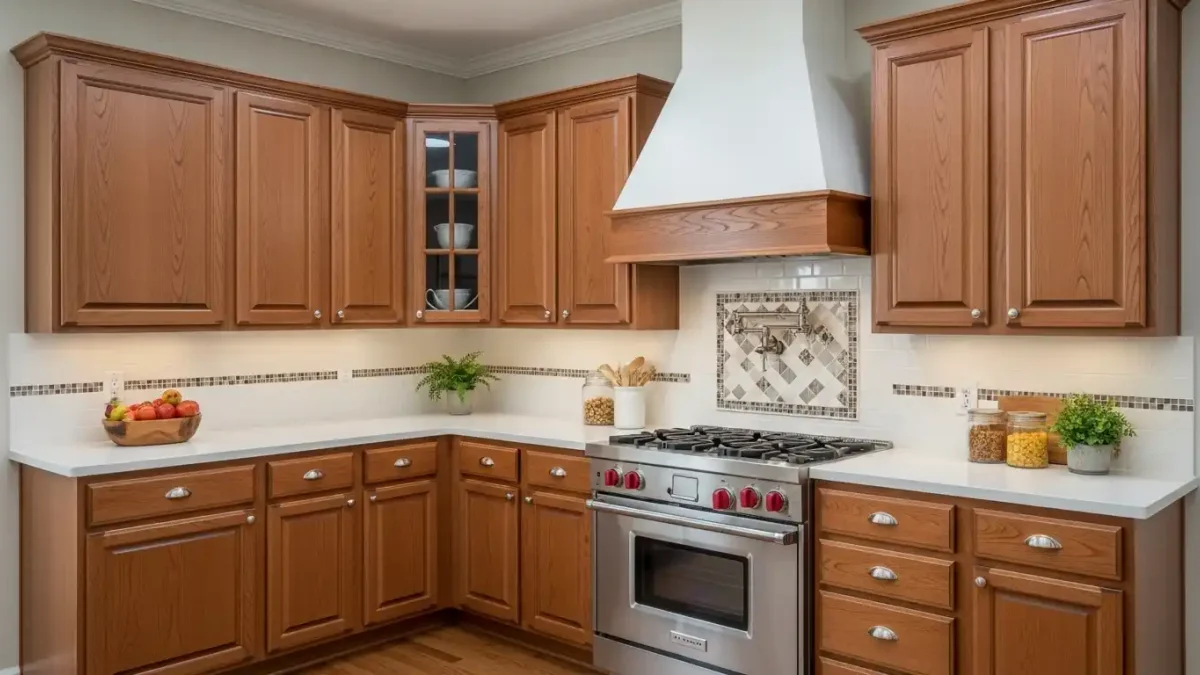
1. Warm Honey Oak Cabinetry for Classic, Golden Warmth
Today's updated warm honey oak cabinetry ditches the heavy high-gloss polyurethane of the 1990s in favor of a low-sheen satin waterbased topcoat that lets oak's cathedral arches glow with soft, golden sunlight. It creates a cheerful, family-friendly heart of the home that feels welcoming even on overcast winter mornings.
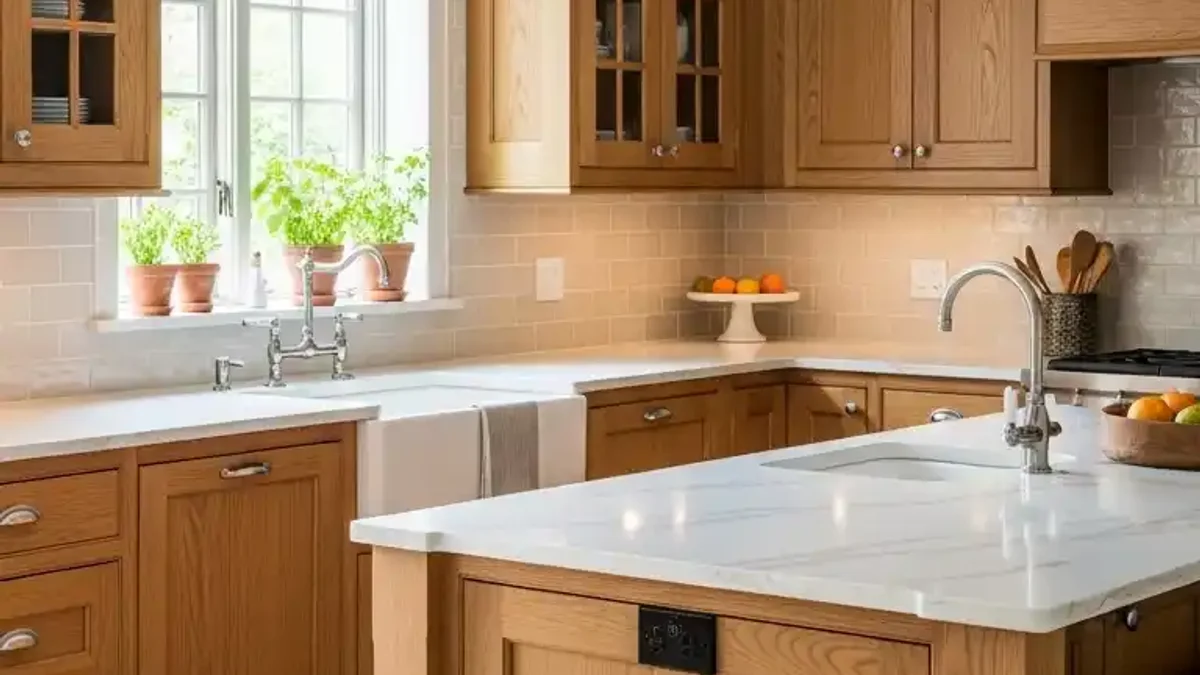
2. Rich Walnut Cabinetry for Deep, Dramatic Contrast
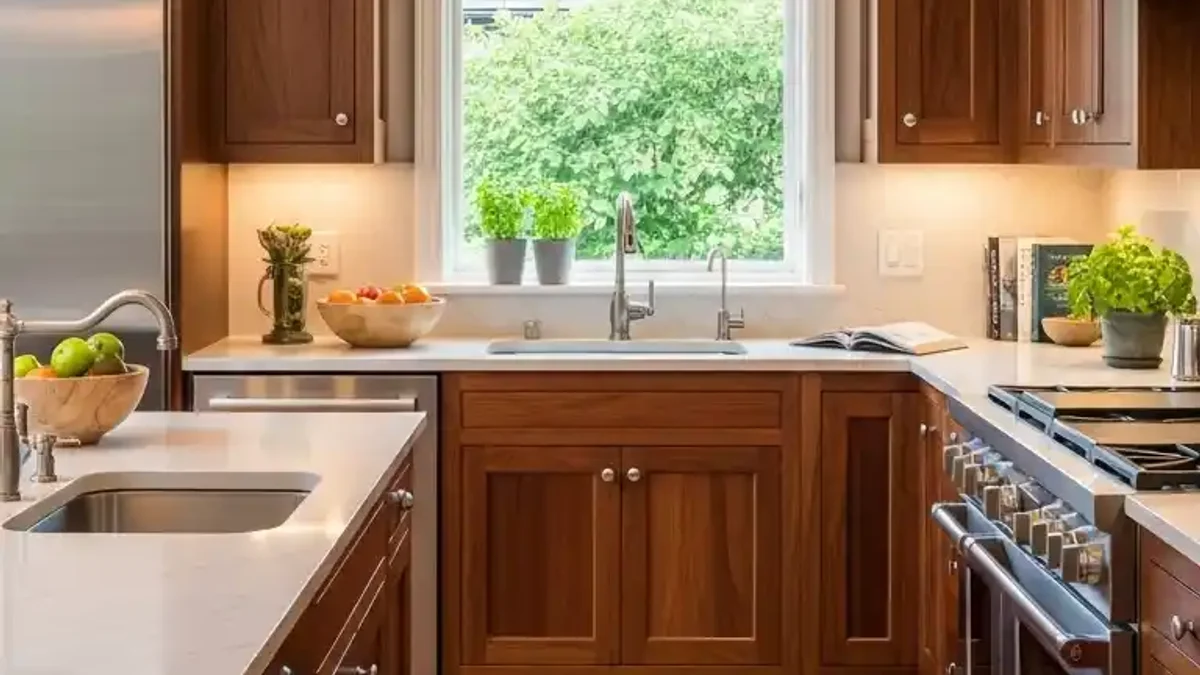
Few cabinet materials rival the bespoke luxury of natural American black walnut. Known for its deep chocolate heartwood swirled with purple-brown and smoky espresso ribbons, flat-panel or slim-Shaker walnut cabinetry creates an architectural, mid-century lounge mood that feels grounded and dramatic without needing dark paint.
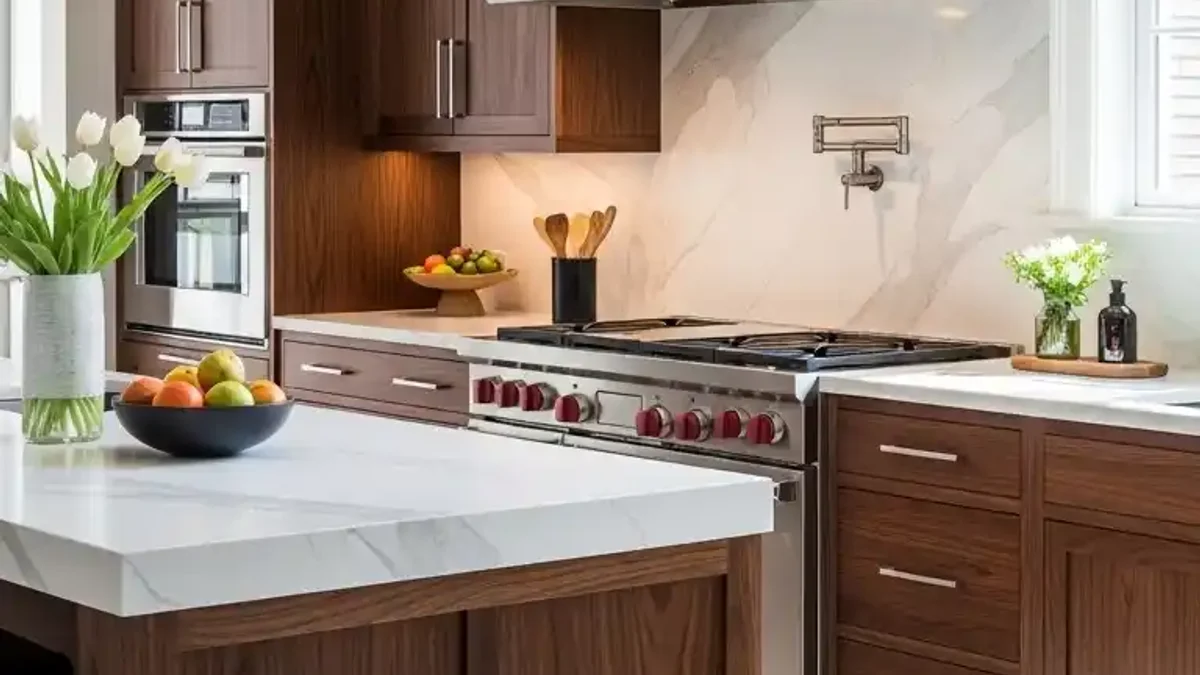
3. Light Whitewashed Oak for a Bright, Airy Look
If you love the openness of a white kitchen but crave organic texture, light whitewashed rift-sawn oak is the ultimate middle ground. A sheer white-pigmented stain neutralizes yellow tannins in the oak while allowing the linear vertical wood grain to peek through, creating a breezy coastal and California-casual atmosphere.
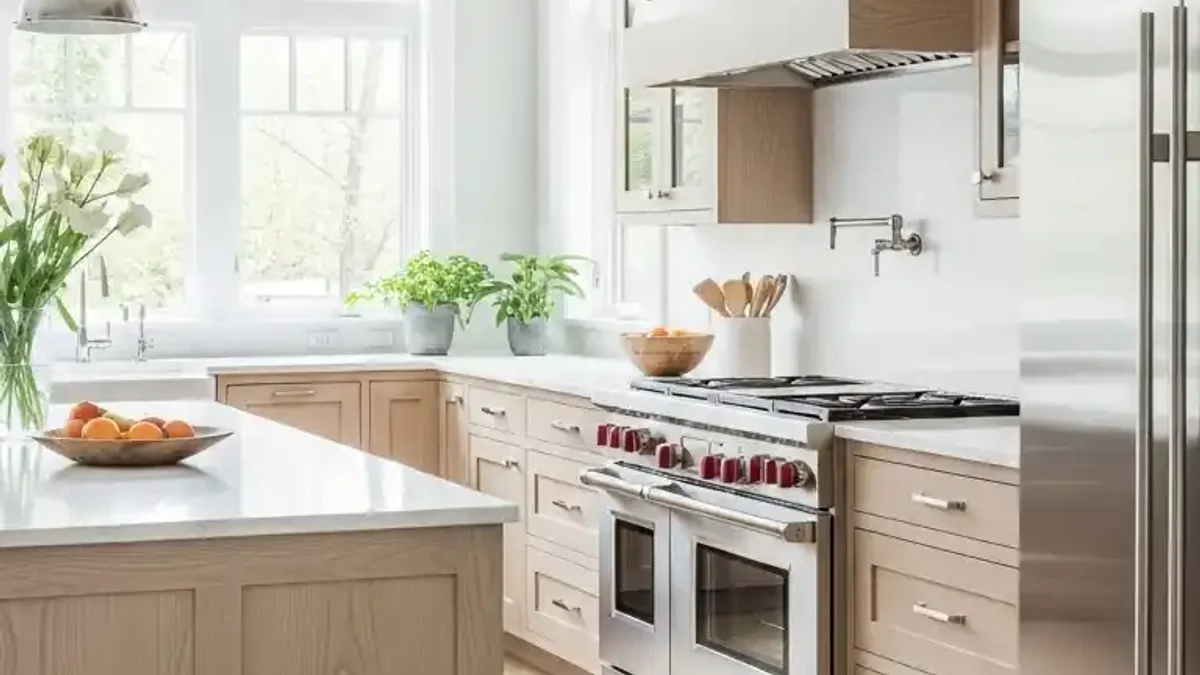
4. Warm Cherry Wood Cabinetry for a Rich, Reddish Tone
Natural cherry wood cabinetry is prized for its fine, satiny close grain and warm cinnamon-russet hue that naturally darkens and deepens when exposed to sunlight. It brings a heritage, estate-kitchen warmth and culinary gravitas that makes large kitchens feel intimate and storied.
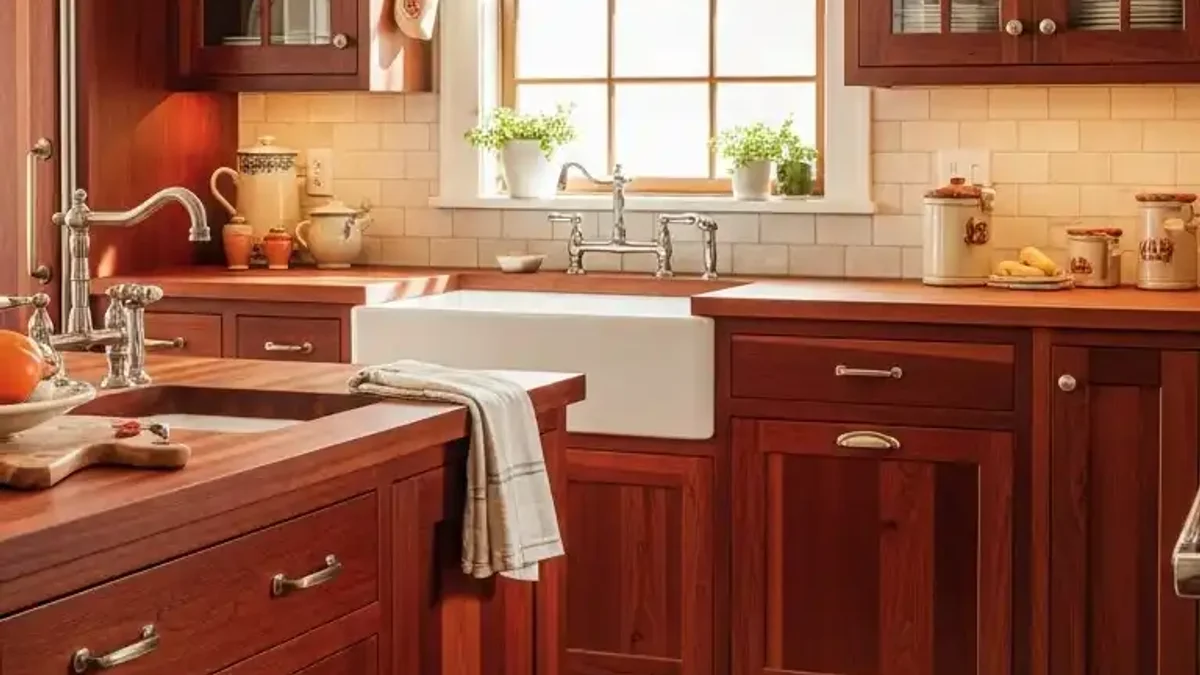
5. Natural Maple Cabinetry for a Light, Versatile Base
Because hardrock maple has an ultra-smooth, subtle grain pattern free of heavy pores, clear-coated natural maple cabinetry provides a calm, creamy-butterscotch canvas that never looks busy in small kitchens. Its uniform surface reflects light almost as effectively as painted cabinetry while feeling softer and warmer to the eye.
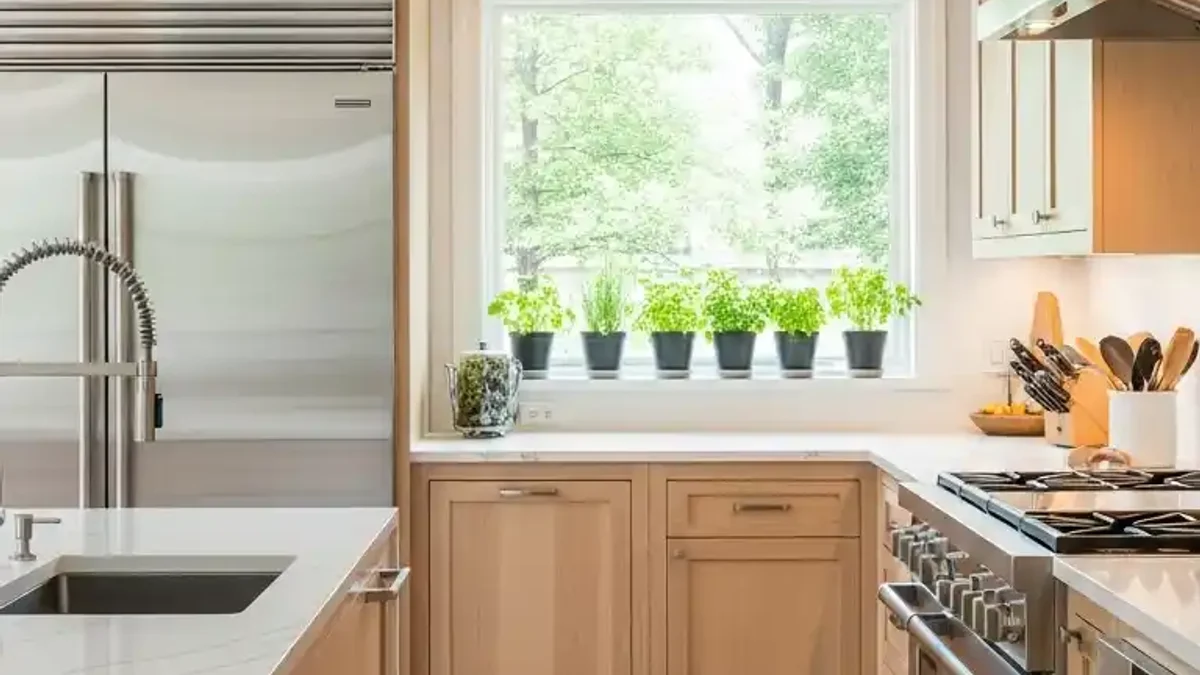
6. Dark Espresso-Stained Cabinetry for a Moody, Elegant Look
Dark espresso-stained cabinetry—applied over maple, oak, or alder—delivers the high-contrast drama of black cabinets while retaining a warm roasted-coffee undertone beneath the surface. It creates a tailored, tuxedo-like elegance that makes stainless steel pro ranges and white stone countertops pop with gallery-level precision.
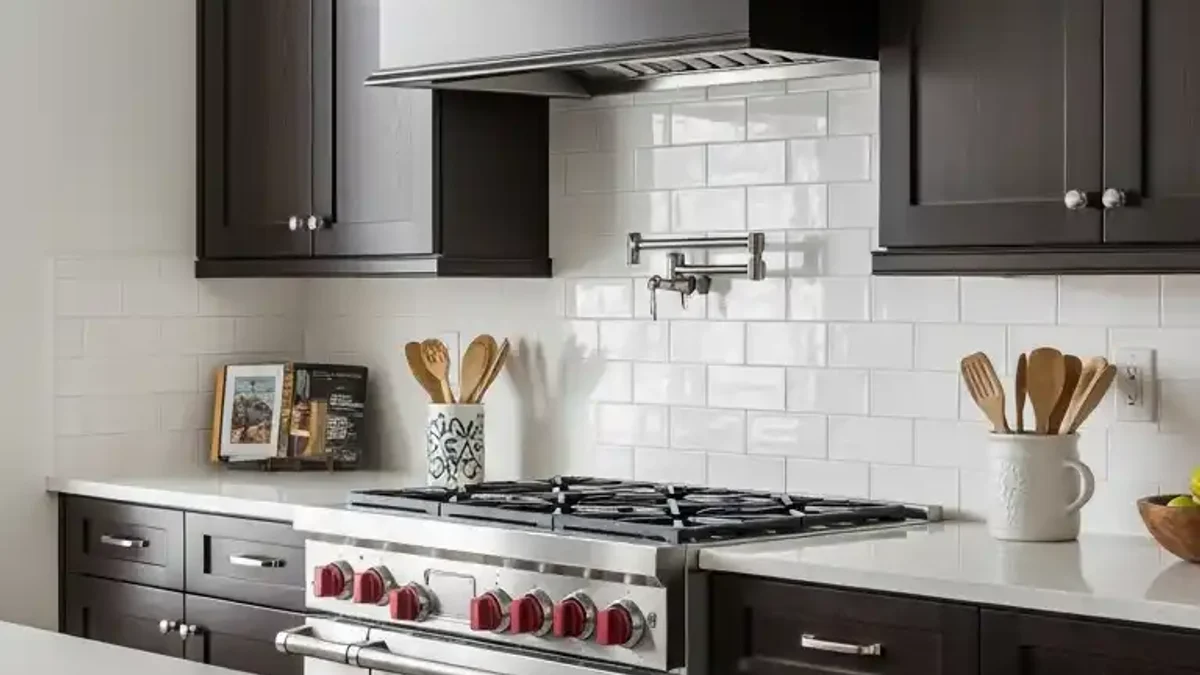
7. Warm Teak-Toned Cabinetry for an Organic, Textured Feel
Inspired by mid-century Danish joinery and tropical resort architecture, warm teak-toned cabinetry showcases golden-brown amber streaks paired with dark coffee grain lines. Naturally rich in protective oils, teak's luminous golden-brown color infuses sleek modern kitchens with spa-like serenity and organic warmth.
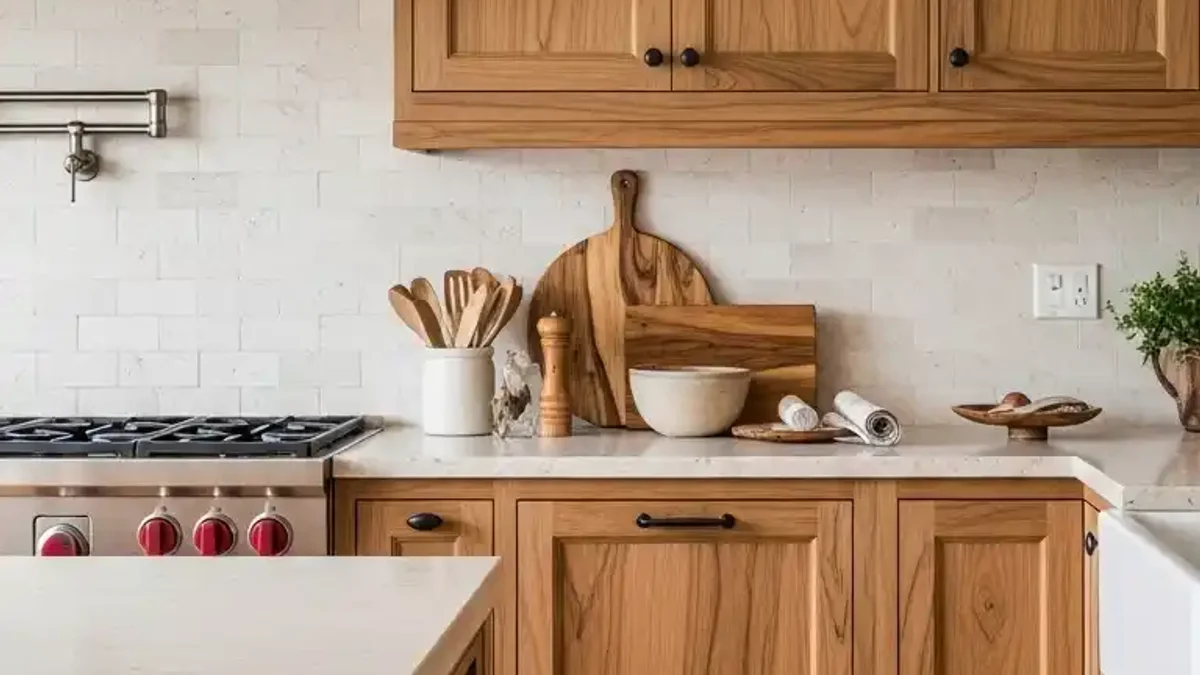
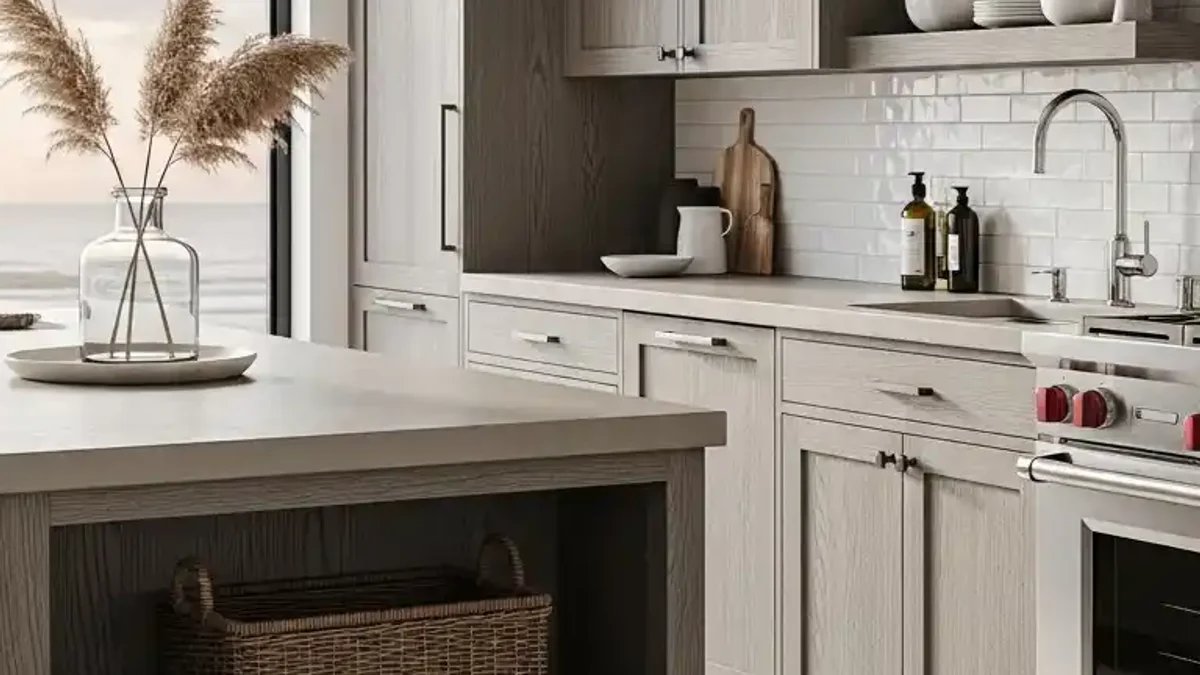
8. Weathered Gray-Wood Cabinetry for a Coastal, Driftwood Look
For homeowners who prefer cool coastal palettes over warm yellow or red woods, weathered driftwood-gray stained oak or ash cabinetry mimics timber aged by salt air and ocean sun. The translucent pewter-taupe stain highlights the open wood pores in soft silver-gray tones, creating a relaxed, beach-house calm.
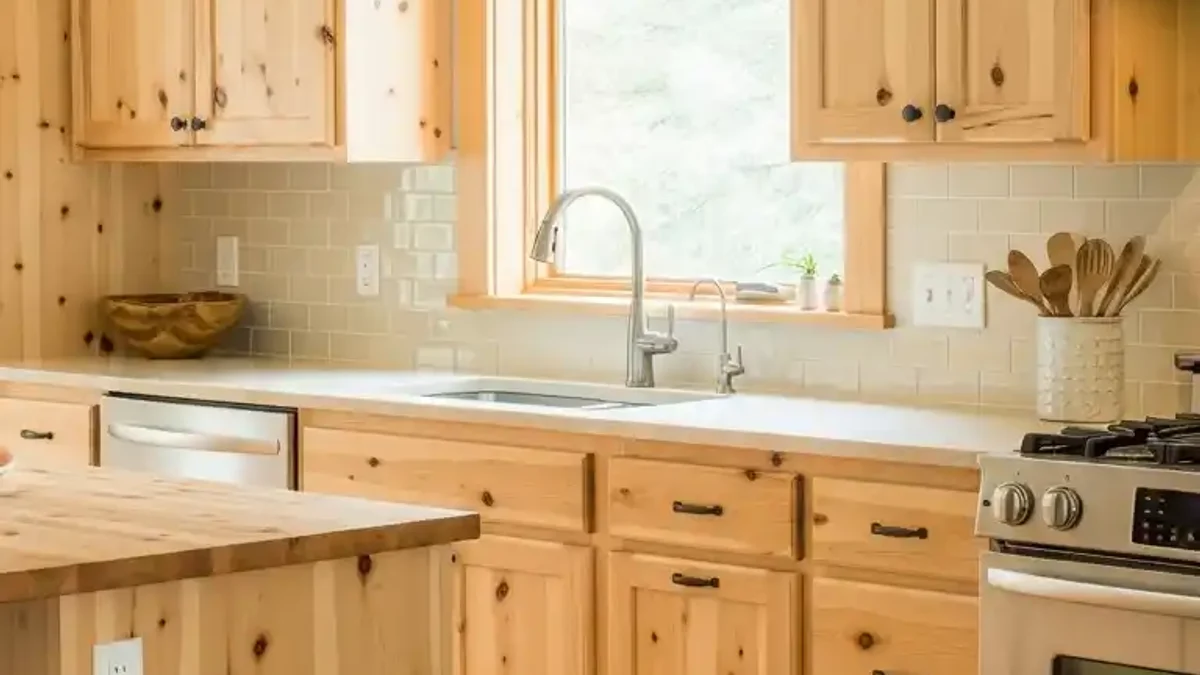
9. Golden Pine Cabinetry for a Warm, Rustic Touch
Natural knotty or clear golden pine cabinetry brings unmistakable country-cottage nostalgia and sunlit mountain-lodge charm into the kitchen. Its pale amber-gold color and characteristic organic knots make a brand-new kitchen feel immediately lived-in, unpretentious, and deeply welcoming.
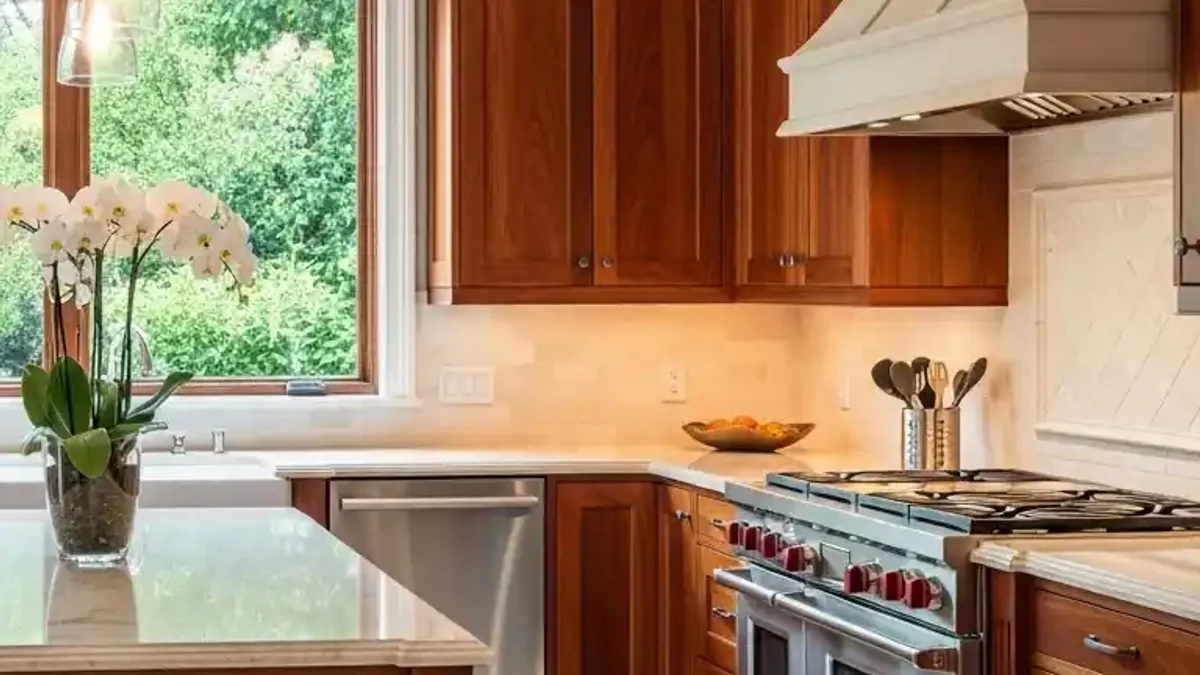
10. Rich Mahogany Cabinetry for a Classic, Formal Look
When a historic home or grand traditional kitchen calls for formal architectural presence, deep ribbon-striped mahogany cabinetry sets the gold standard. Its reddish-plum brown depth and fine, uniform ribbon grain create an heirloom library atmosphere that feels opulent, timeless, and commanding.
11. Two-Tone Wood Cabinetry Mixing Light and Dark Tones
You don't have to commit to a single wood stain across the entire room. Two-tone wood cabinetry—such as pairing light walnut or espresso base cabinets with pale blonde oak or painted ivory uppers—anchors the lower half of the kitchen while keeping eye-level walls feeling tall, airy, and expansive.
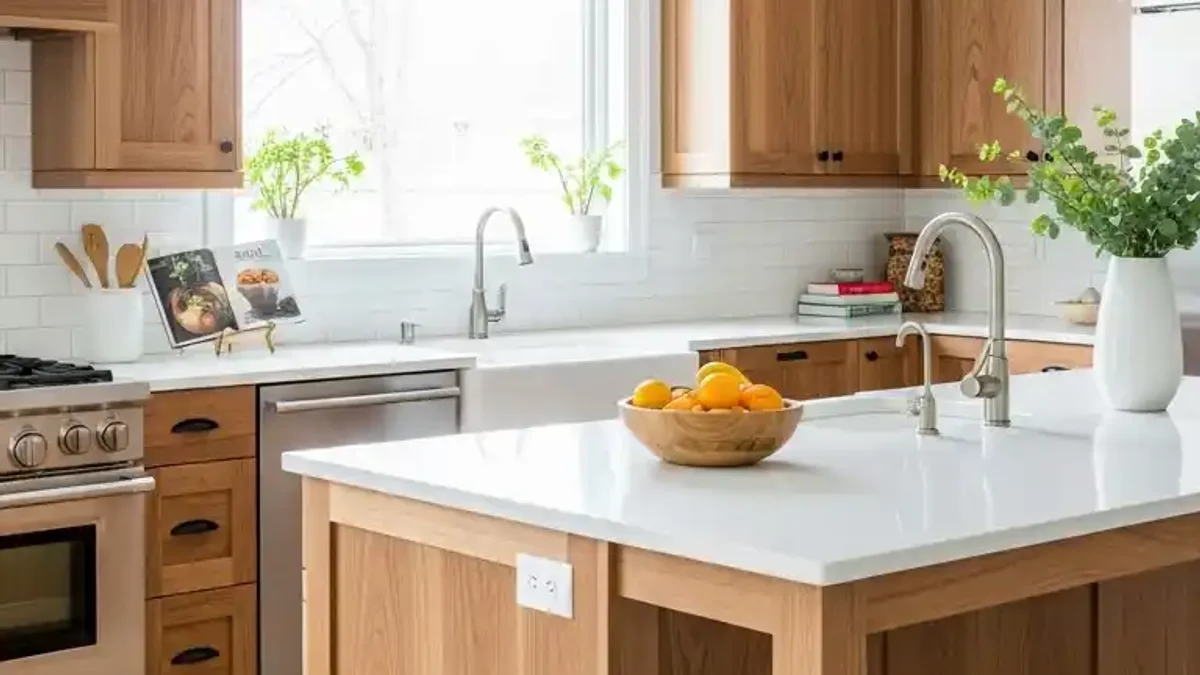
12. Warm Hickory and Pecan Cabinetry with Natural Grain Variation
If you want your cabinets to celebrate the wild beauty of nature, calico hickory and golden pecan cabinetry offers dramatic color variation—shifting from creamy blonde sapwood to rich caramel and cocoa heartwood within a single door panel. The result is an energetic, artisan-crafted look that hides everyday wear effortlessly.
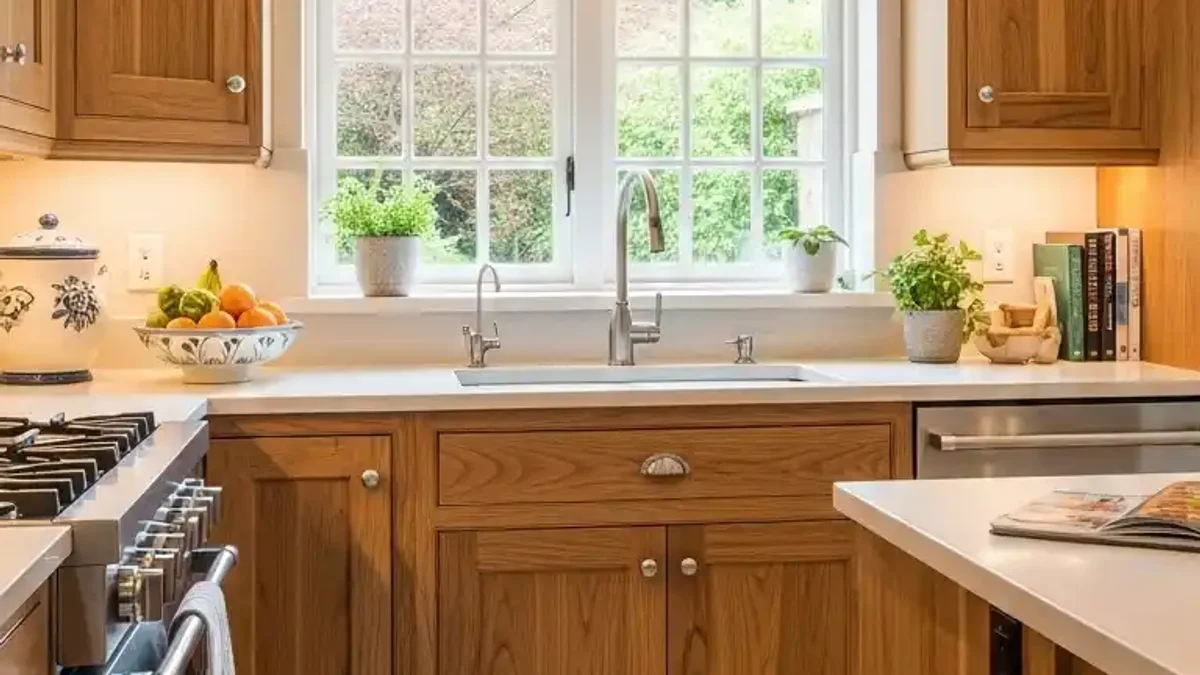
13. Smoked Oak and Ash Cabinetry for a Modern, Moody Warmth
Smoked (fumed) oak and smoky ash cabinetry uses an ammonia-fuming or carbon-stain process that reacts with the wood's natural tannins, turning the timber a velvety, sun-baked taupe-charcoal brown without hiding the grain. It creates an ultra-sophisticated Japandi or European contemporary mood that feels calm and grounded.
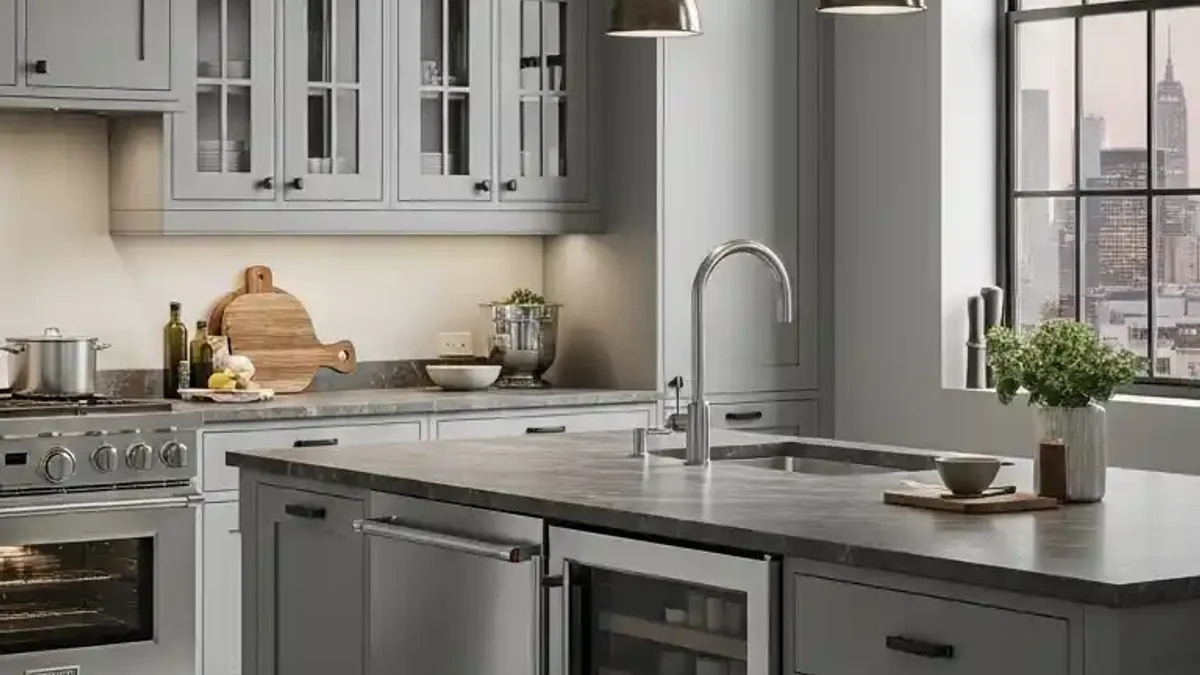
14. Light Birch Cabinetry for a Soft, Scandinavian Feel
A staple of Nordic kitchen design, pale natural birch cabinetry features a silky, fine-textured surface in soft oat, pale honey, and cream tones. In compact or north-facing kitchens with limited daylight, light birch maximizes brightness while wrapping the cooking zone in gentle Scandinavian *hygge* warmth.
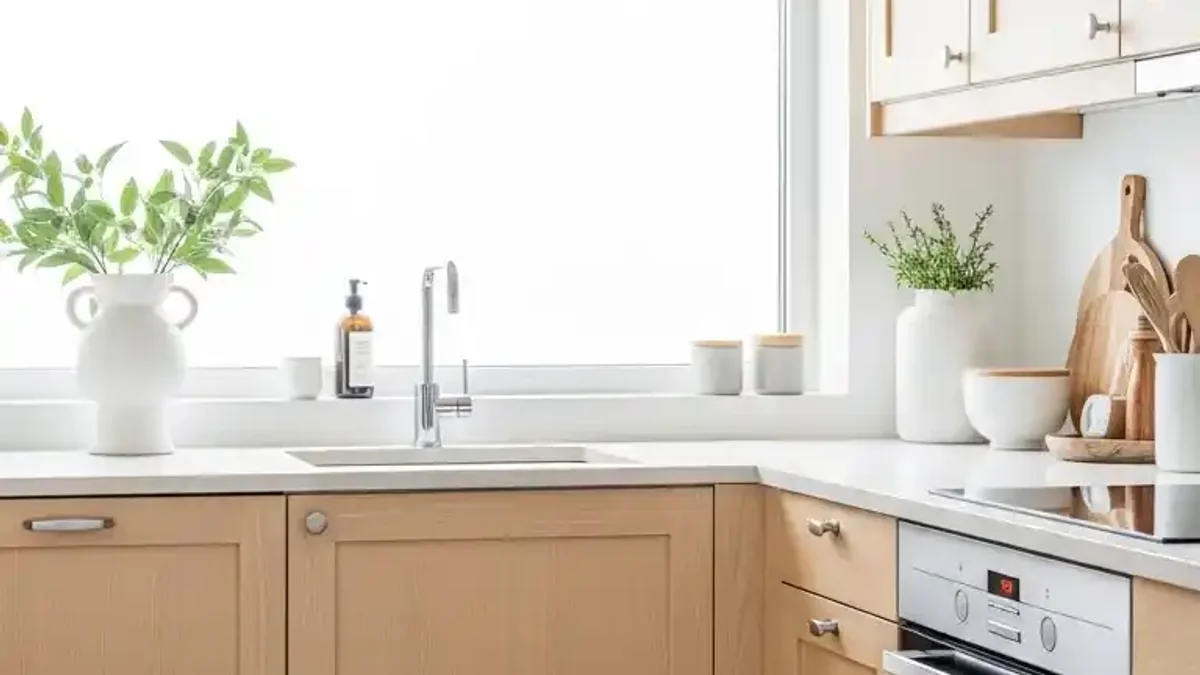
15. Reclaimed Wood Cabinetry for Rustic, Characterful Texture
Crafted from salvaged barn timbers, old factory joists, or weathered chestnut planks, reclaimed wood cabinetry celebrates saw marks, nail holes, and centuries-old patina. Every drawer front tells a story, turning a modern kitchen into a soulful, tactile gathering space that feels collected over generations.
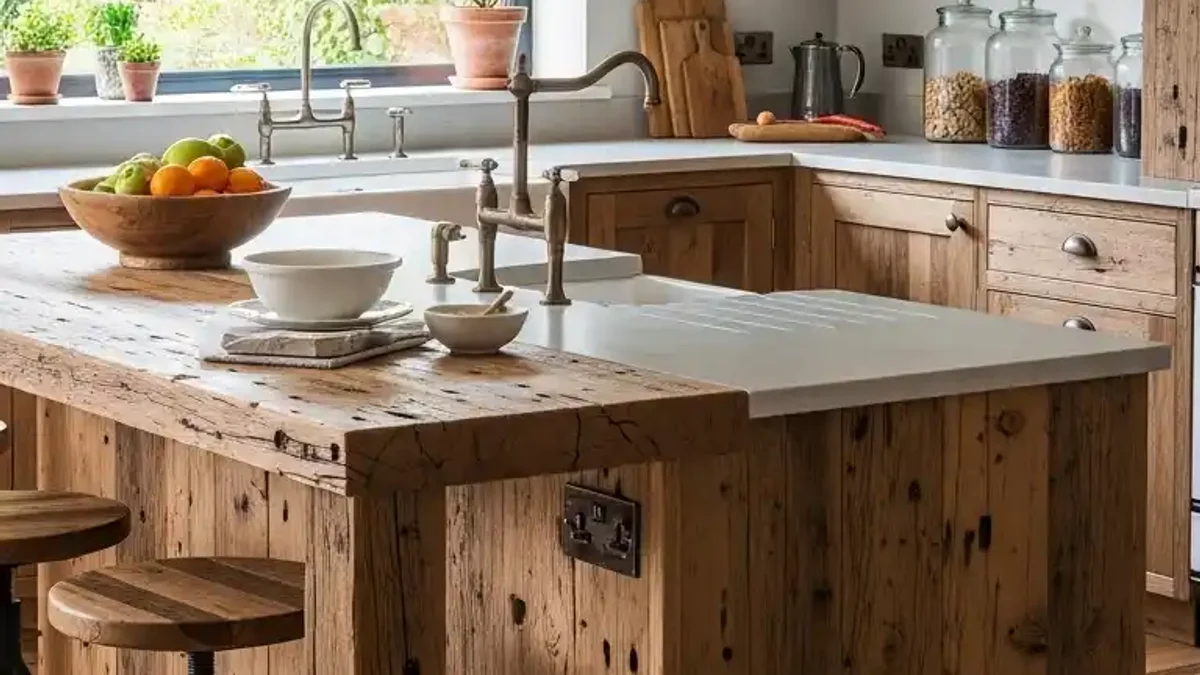
16. Cerused (Limed) Oak Cabinetry for a Textured, Matte Finish
Dating back to 16th-century French furniture making, cerused (or limed) oak cabinetry is wire-brushed to open the wood pores, stained in a warm earth or charcoal tone, and rubbed with white liming wax that settles into the recessed grain lines. The result is a velvety, dead-matte finish with striking two-tone dimensional texture.
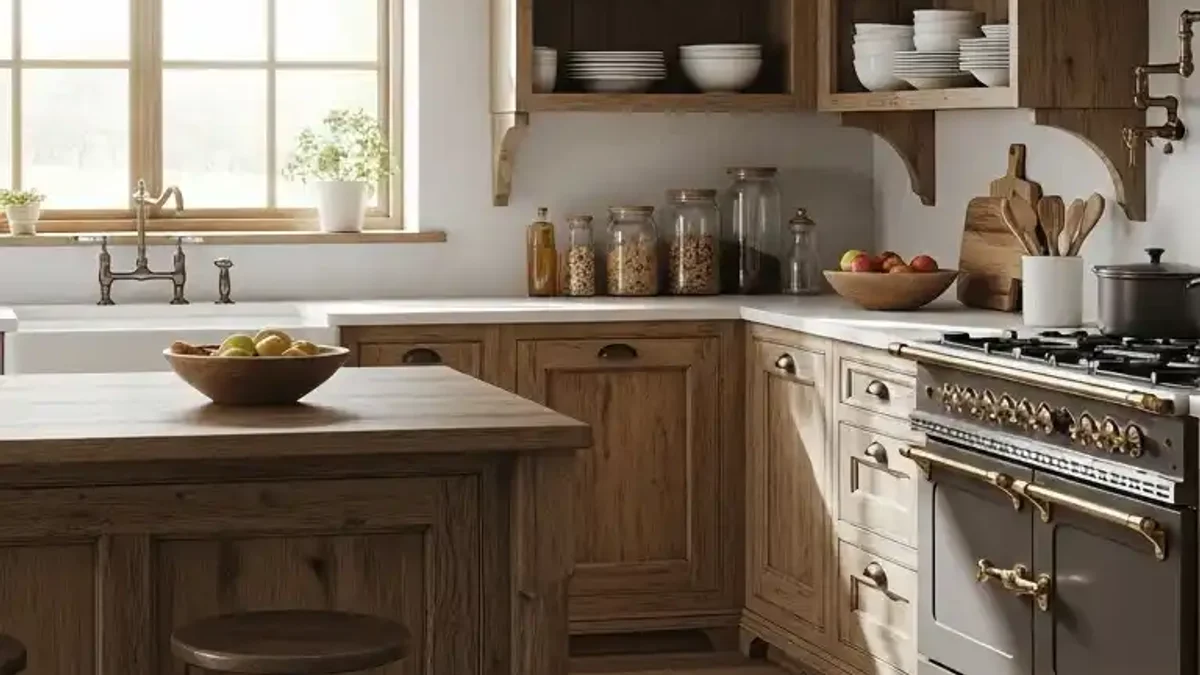
17. Warm Amber and Caramel-Stained Cabinetry for Classic Richness
Sitting right between pale blonde woods and dark espresso stains, warm amber and toasted caramel-stained maple or alder cabinetry offers a golden-cognac richness that flatters every skin tone and wall color. It creates a cozy, autumnal glow that makes large open-plan kitchens feel grounded and inviting year-round.
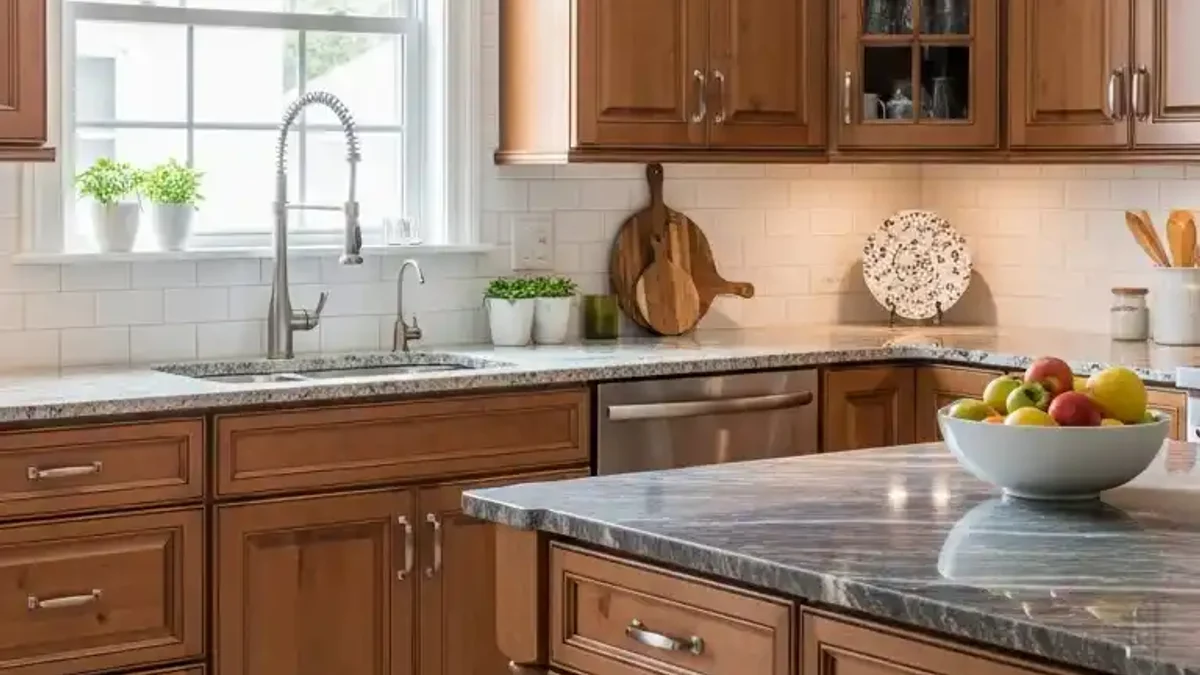
18. Natural Blonde and Bamboo Cabinetry for an Eco-Conscious, Modern Look
For sleek, eco-conscious contemporary kitchens, vertical-grain natural bamboo and pale blonde wood cabinetry delivers razor-sharp linear uniformity and rapid renewability. Harder than red oak and naturally moisture-resistant, pale blonde bamboo and maple-blonde slabs bring a crisp, architectural Zen calm to minimalist spaces.
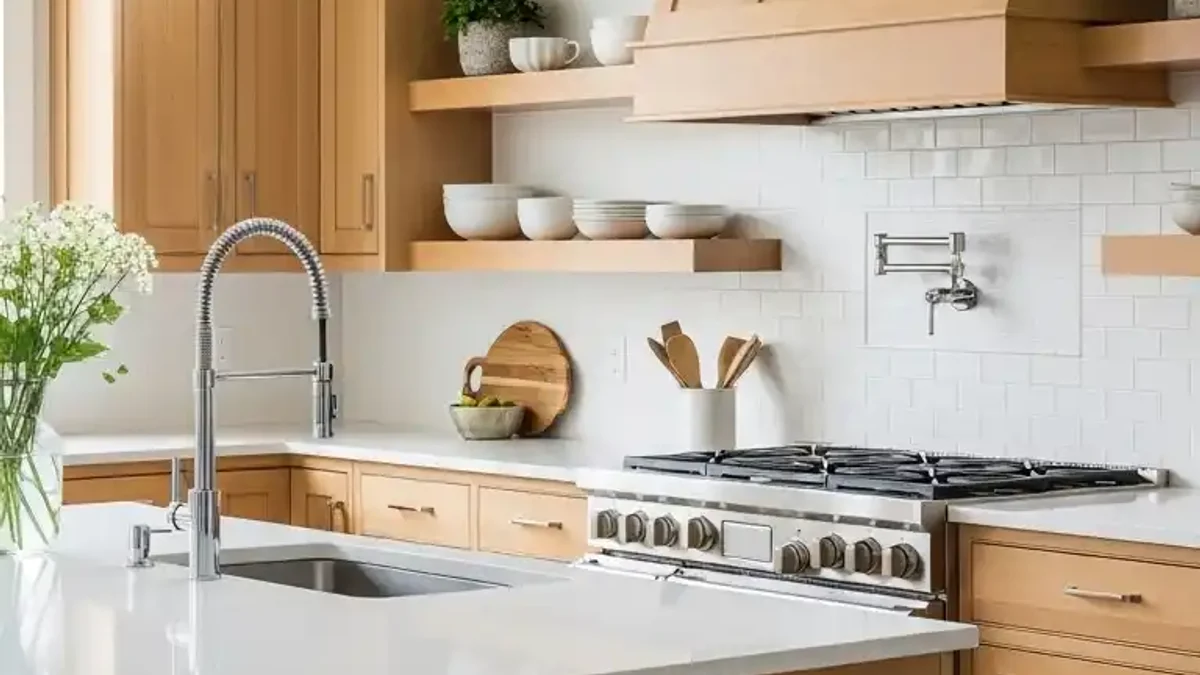
19. Ebony-Stained Wood Cabinetry for a Bold, Dramatic Statement
Unlike opaque black paint—which hides the material underneath—an ebony or midnight-black penetrating wood stain over open-grain oak or ash turns the cabinets jet black while letting light catch the natural cathedral grain texture across every door. It delivers unapologetic modern drama with warm, organic depth.
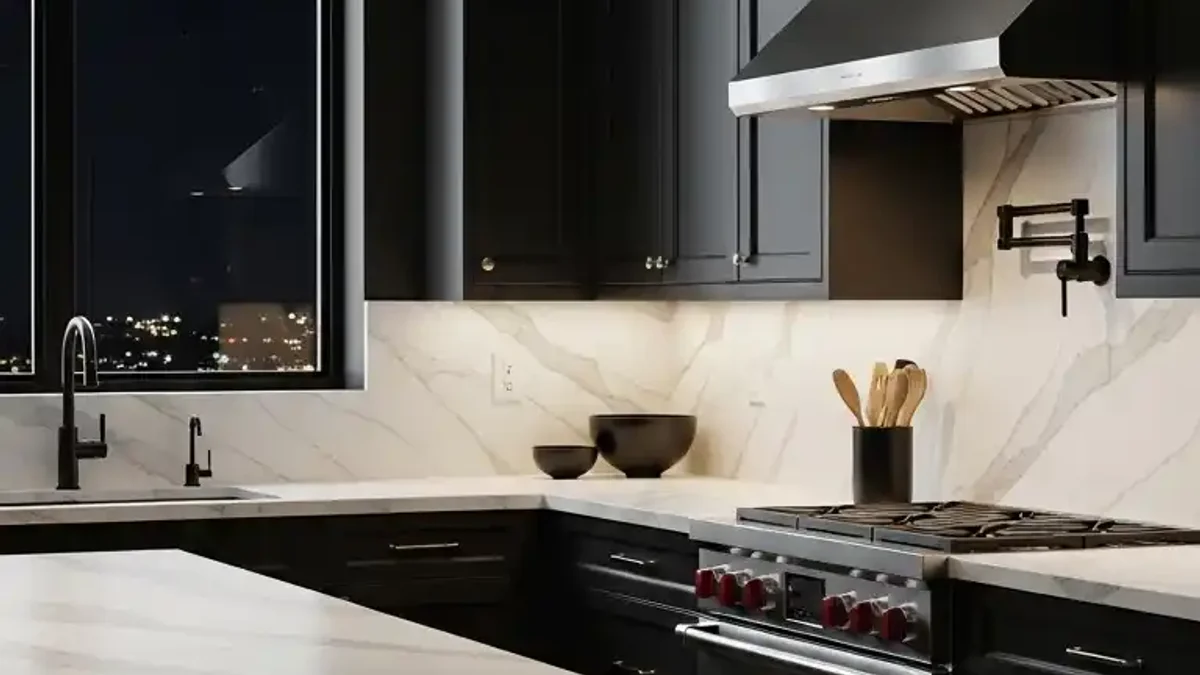
20. Warm Cedar and Chestnut-Toned Cabinetry for Natural Warmth
With its rich cinnamon-brown hue and organic tonal streaks, warm cedar and roasted chestnut-toned cabinetry brings the grounding serenity of a Pacific Northwest forest cabin into your everyday cooking space. The warm reddish-earth undertone pairs effortlessly with natural stone, terracotta floors, and indoor herb gardens.
Conclusion: Choose a Wood Tone That Complements Your Light and Style
Selecting the right kitchen wood cabinet colors comes down to observing two things in your home: the direction and intensity of your natural daylight, and the mood you want to feel every morning. If your kitchen is compact or faces north, pale tones like whitewashed oak, light birch, natural maple, or blonde bamboo will bounce sunlight into every corner while keeping the room tactile and warm.
If your kitchen is blessed with tall windows or an open-concept floor plan, rich mid-to-deep tones like warm honey oak, American black walnut, smoked ash, caramel maple, or ebony-stained oak will anchor the architecture with unforgettable depth. Always order physical wood door samples and view them vertically against your countertops in both morning daylight and 2700K evening bulb light before making your final call.