10 Clever (and Stylish) Ways to Hide Your TV
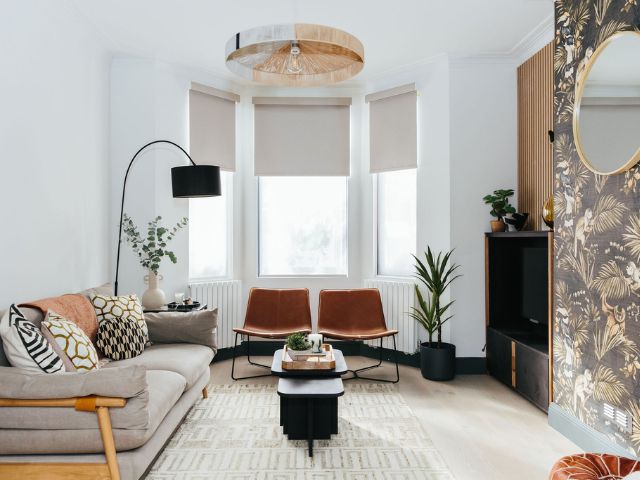
In modern interior design, televisions present an enduring paradox. While our home entertainment setups provide an immersive cinematic experience, a towering black screen can abruptly dominate a living room, clashing with carefully chosen wall palettes, bespoke millwork, and curated artwork. When powered off, an unadorned TV becomes an empty, reflective void that inadvertently steals focus as the visual center of the space. Concealing your television is not about sacrificing modern comforts—it is about restoring architectural harmony and intentionality to your room. By treating screen disguises as an integral design element rather than an afterthought, you create a multifunctional sanctuary where design and technology coexist in sublime balance. From custom cabinetry and motorized lifts to budget-conscious renter hacks, discovering stylish ways to hide your TV allows your home’s character and personal aesthetic to shine without compromise.
1. Cabinet Doors That Close Over the TV When Not in Use
Enclosing your television behind tailored cabinet doors is a timeless concealment technique in residential interior design. Whether built into an architectural wall niche or a credenza, bifold or pocket doors completely banish the black screen once movie night wraps up. Bi-fold pocket doors fold neatly and slide flush into the cabinet casing, preserving clear sightlines and walkways. This method delivers a bespoke furniture aesthetic that grounds the living room in rich wood tones or painted millwork, turning an electronic hub into an elegant showpiece.
Expect a moderate investment ($800–$2,200 for joinery; $350–$650 for prefabricated armoires). Ensure the cabinet interior includes slotted rear ventilation grommets or silent exhaust fans to dissipate equipment heat, dedicated cable pass-through conduits, and an infrared repeater or RF smart remote so your streaming box and console work seamlessly through closed doors.
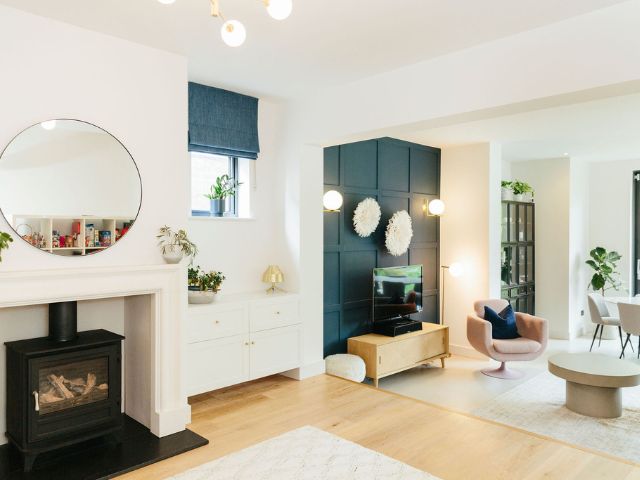
2. A Sliding Panel or Barn-Door-Style Cover Over a Wall-Mounted TV
For homeowners craving a statement focal point that doubles as functional disguising, sliding panels and modern mini barn doors offer tactile architectural charm. Instead of traditional rustic farm doors, modern interpretations employ slatted tambour oak, fluted acoustic timber, or woven cane panels that glide effortlessly across a low-profile matte black or brushed brass top track. When closed, the panels create a warm, dimensional accent wall or textured headboard; when slid apart, they reveal the mounted television without taking up any floor footprint.
This solution is intermediate in difficulty and budget-friendly ($200–$600 for DIY kits, up to $1,200 for artisan custom panels). During installation, ensure the sliding track has enough side clearance to clear the screen entirely when opened. To address practicalities, route HDMI and power cables through in-wall rated brush plates directly behind the television mount, and maintain a two-inch air gap between the sliding panels and the display for effortless convection airflow and unhindered remote sensors.
3. A Framed-Art TV Cover That Retracts or Flips to Reveal the Screen
Transforming your television into museum-worthy canvas art when not in use is the ultimate blend of high culture and modern entertainment. Retractable framed-art systems house a mounted canvas artwork inside an ornate gilded, black, or natural wood frame; at the press of a remote button, the canvas smoothly rolls upward or splits horizontally into a concealed cassette to unveil the screen. Alternatively, motorized flip-down art panels or dedicated art televisions like Samsung’s The Frame provide an ultra-flush art illusion with matte anti-reflective displays.
While prefabricated art TVs are plug-and-play ($1,000–$2,000), custom mechanical roll-up canvas systems can reach $2,500–$4,000. Practical considerations require mounting the canvas assembly with adequate perimeter spacing so internal TV speakers and microphones aren't muffled. Use recessed media boxes to recess power bricks and streaming sticks directly into the drywall studs, and utilize Bluetooth or radio-frequency remotes that control the screen without requiring line-of-sight infrared glass receivers.
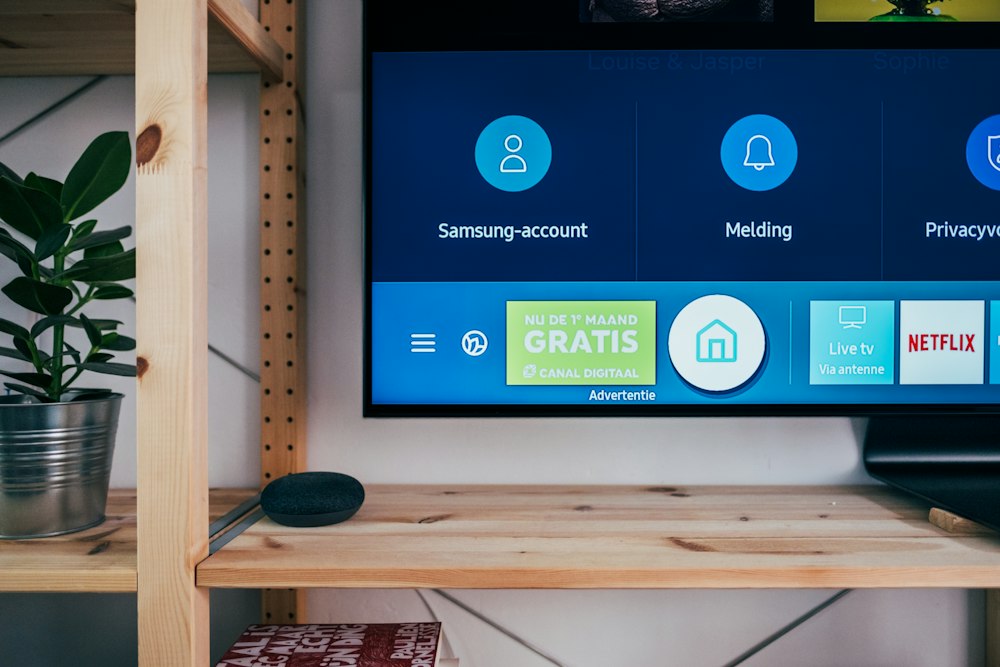
4. A Motorized Lift Cabinet That Raises the TV From Furniture
If you want your television to disappear entirely from the visual plane, motorized pop-up lift cabinets represent the pinnacle of sleek engineering. Integrated into a low-profile sideboard, a bedroom footboard, or a custom island divider, a whisper-quiet motorized scissor or linear actuator lift raises the display smoothly upon activation and lowers it back beneath a hinged lid when finished. When the mechanism is stowed, the top surface can be styled with decorative ceramic bowls, coffee table books, and botanical arrangements, completely freeing the room from screen clutter.
Motorized lift consoles range from $600 for motorized standalone kits to $3,000+ for bespoke artisan buffets, requiring intermediate electrical installation skills. Crucially, cable management must include flexible cable drag chains or spiral conduit so wiring never snags during up-and-down travel. Adequate interior ventilation slots along the base prevent heat buildup when the unit is retracted hot, and modern lift units feature built-in smart plugs and RF controllers that automate power when raised.
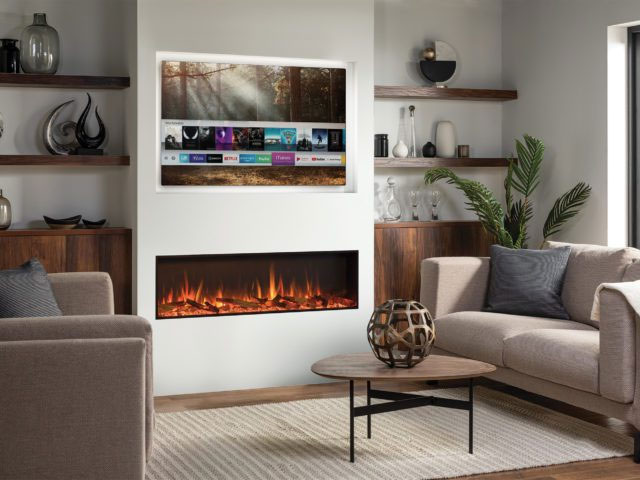
5. A Built-in Bookshelf Wall With the TV Integrated Among the Shelves
Integrating your television within a built-in bookshelf or library wall softens the stark presence of the screen through balanced proportion. Rather than isolating the television as a dark square on an empty wall, the display sits in a central cubby framed by hardbound books, ceramic vessels, and framed art. The surrounding rhythm naturally disperses the eye across the entire composition, making the television feel like a natural component of a cultured collection rather than a bulky electronic appliance.
Custom library joinery is an advanced project ($1,500–$4,500), while modular shelf systems provide budget-conscious DIYers with accessible configurations ($400–$850). Leave at least two inches of clear ventilation breathing space around all four edges of the TV alcove. Drill grommet holes behind lower cabinets to stow receivers and consoles, using an infrared repeater hub to ensure smooth remote control reception.
6. A Mirror-Finish TV That Looks Like a Decorative Mirror When Off
For formal living rooms, dining spaces, or above fireplace mantels where traditional black screens look completely out of place, a mirror-finish television is an extraordinary design statement. Utilizing specialized dielectric semi-reflective glass within a decorative antiqued, brass, or fluted frame, these screens function as a pristine, reflective mirror that bounces natural light throughout the room when powered off. The moment you activate the display, the high-brightness panel illuminates through the glass with crisp clarity.
Mirror televisions are a luxury solution, generally costing between $1,500 and $4,500 depending on screen size and custom framing specifications. In terms of practical setup, mirror TVs require high-nit screen brightness (typically 500+ nits) to combat daytime ambient window reflections. Professional in-wall cable routing is essential for a seamless flush finish against the wall. Because dielectric glass can slightly degrade standard infrared signals, ensure your system uses RF remotes or an external discrete IR sensor eye tucked beneath the frame.
7. A Gallery Wall Layout With the TV Blended in Among Frames
One of the most artistic and budget-friendly ways to hide your TV is to camouflage it directly into a dynamic gallery wall. By surrounding your wall-mounted screen with an eclectic arrangement of framed photography, oil paintings, sketches, and dimensional wall sculptures, the television simply becomes one rectangular silhouette among many. Choosing artwork with dark mats, black frames, and moody, high-contrast imagery helps the turned-off screen dissolve effortlessly into the overall composition, fooling the eye into perceiving an art salon rather than a media center.
This technique ranks very low in difficulty and is exceptionally budget-conscious ($100–$400 for frames and art prints), making it a favorite for renters and decor enthusiasts alike. For best results, use an ultra-slim flush wall mount so the TV sits at the same depth as the flanking picture frames. Conceal hanging wires with paintable flat cord raceways or behind-wall conduit kits, and keep the infrared sensor unobstructed along the lower bezel.
8. A TV Mounted in a Dedicated Recessed Nook Painted in a Dark, Matching Tone
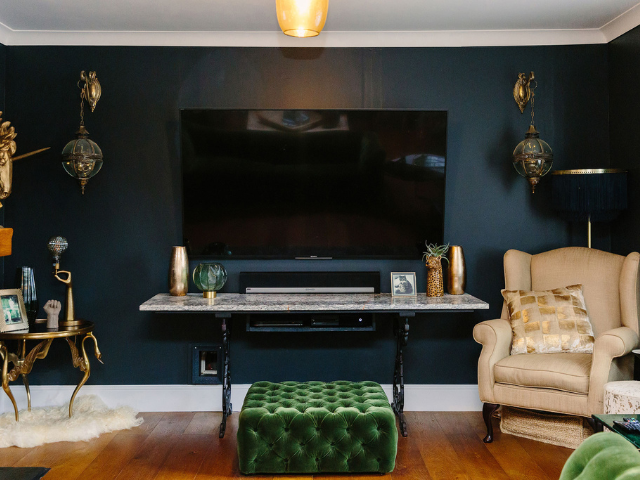
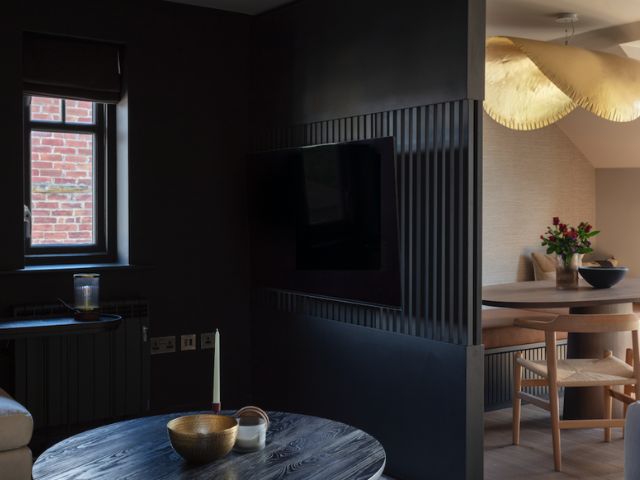
Color-drenching and architectural recessing create a high-impact optical illusion that makes large screens virtually vanish into thin air. By framing a shallow recessed niche into the wall and painting the entire alcove—or the entire feature wall—in a rich, light-absorbing hue like charcoal, midnight navy, deep forest green, or matte obsidian, the dark boundaries of the television meld seamlessly with the background. The absence of contrast tricks the eye, so when the screen is powered down, it disappears completely into the moody architectural depth of the niche.
Creating a recessed drywall nook requires moderate carpentry and drywall skills ($300–$800 DIY or $1,200 professional), while simply painting an existing accent wall is accessible for under $100. Be sure to calculate niche dimensions to allow two inches of perimeter clearance around the TV for natural convection ventilation. Route all power outlets and low-voltage cables directly inside the recessed cavity, keeping connections invisible and remote-friendly without blocking smart signals.
9. A Folding Screen or Room Divider Positioned in Front of the TV
If you are seeking an instant, zero-construction method to conceal a media console or corner TV setup, an artisanal folding screen or freestanding room divider is an exquisite solution. A three- or four-panel folding screen crafted from woven rattan, carved mango wood, fluted acoustic fabric, or hand-painted silk can be positioned directly in front of the television when entertainment time is over. Beyond hiding the technology, the screen acts as a freestanding piece of architectural sculpture that adds height, texture, and zoning to an open-concept living room or studio apartment.
This method requires zero installation difficulty and fits virtually any budget ($80–$350 for ready-to-use decorative screens), making it ideal for renters and flexible living areas. Practical considerations are delightfully effortless: because the screen stands freely away from the electronics, natural ventilation and cable routing behind the console remain 100% unimpeded. When you're ready to watch, simply fold one panel aside, keeping remote control line-of-sight instantaneous.
10. A Wall-Mounted TV With a Decorative Curtain or Fabric Panel (Renter-Friendly Option)
For renters or homeowners looking for a tactile way to conceal their screens without drilling custom cabinets, decorative curtains and fabric panels offer an elegant trick. By installing a slender brass curtain rod above the TV, you can hang linen drapery, an artisanal macramé hanging, or a patterned textile panel that glides closed across the screen. When drawn shut, the soft fabric brings warmth, acoustic dampening, and bespoke texture to the wall; when pushed aside, your screen is instantly ready for viewing.
Cost and difficulty are remarkably minimal ($50–$200, taking under an hour to hang). Because the fabric drapes loosely over the front, there is no risk of heat retention provided top and bottom remain open for airflow. Bundle cables inside a fabric sleeve or paintable raceway, and enjoy instant remote accessibility simply by drawing the curtain open with a gentle slide.
Bringing Harmony to Your Living Space
Disguising your television is one of the most rewarding design decisions you can make for your home. By taking control of how screens interact with your decor, you no longer have to compromise between cinematic entertainment and a serene, aesthetically cohesive sanctuary. Whether you invest in bespoke cabinetry with pocket doors, embrace the seamless illusion of a mirror TV, or implement an effortless renter-friendly solution like a decorative textile curtain or gallery wall, the secret lies in choosing a method tailored to your budget, daily habits, and architectural style. Remember to prioritize proper ventilation, clean cable concealment, and responsive remote access during setup so your disguise remains as functional as it is stunning. Pick your favorite approach from these ten ideas and enjoy a beautifully elevated living space where technology serves your lifestyle without overpowering it.