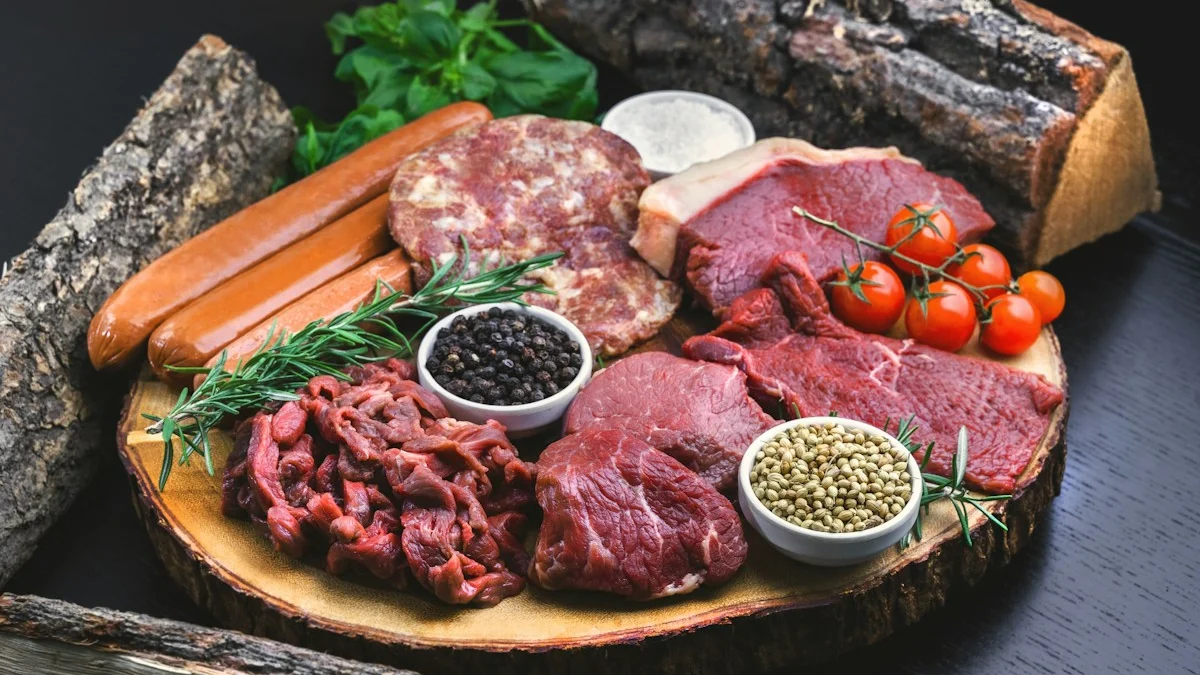
Preparing chicken, beef, pork, or seafood at home requires more than a sharp knife. Your cutting surface also matters.
A good wooden cutting board for raw meat should be large enough to work comfortably, stable while chopping, resistant to everyday knife marks, and—ideally—equipped with a juice groove that helps keep meat juices from running across the counter.
But food safety comes first.
According to the USDA, consumers can use either wood or nonporous cutting boards for raw meat and poultry. However, the USDA recommends keeping a separate board for raw meat, poultry, and seafood when possible so bacteria are not transferred to bread, vegetables, or other foods that may be eaten without cooking. Cutting boards should also be washed with hot, soapy water after use.
After comparing hardwood type, dimensions, thickness, juice management, stability, reversibility, and maintenance requirements, our overall pick is the John Boos Maple CB Series Cutting Board with Juice Groove.
However, it is not the right board for every kitchen.
Below are seven wooden boards worth considering, including maple, teak, acacia, and walnut options at different sizes and price levels.
Quick Comparison
| Cutting Board | Best For | Wood | Approx. Size | Juice Groove | Amazon |
|---|---|---|---|---|---|
| 1. John Boos Maple CB Series | Best Overall | Hard Maple | 20 x 15 x 1.5 in | Yes | Check Price → |
| 2. Teakhaus Traditional 109 | Best Teak | Teak | 20 x 15 x 1.5 in | Yes | Check Price → |
| 3. Sonder LA Winsome | Best Value | Acacia | 16 x 12 x 1.5 in | Yes | Check Price → |
| 4. John Boos Maple AuJus | Best for Juice Control | Hard Maple | 20 x 15 x 1.5 in | Sloped Groove | Check Price → |
| 5. Sonder LA Franklin | Best Walnut | Black Walnut | 20 x 15 x 1.5 in | Yes | Check Price → |
| 6. Teakhaus Essential 405 | Best Lightweight | Teak | 16 x 11 x 0.55 in | Yes | Check Price → |
| 7. Teakhaus Traditional 108 | Best Large Board | Teak | 24 x 18 x 1.5 in | Yes | Check Price → |
1. John Boos Maple CB Series — Best Overall
If you want one substantial wooden board dedicated to raw meat preparation, the John Boos Maple CB Series is our strongest overall choice.
The 20-by-15-inch version uses Northern Hard Rock Maple and is 1.5 inches thick. It uses edge-grain construction and includes a juice groove on one side.
That combination makes a lot of sense when working with steaks, chicken pieces, roasts, or other ingredients that can release liquid during preparation.
The board is reversible, so you also have a flat working surface on the opposite side. Recessed finger grips make a heavy board easier to lift from the counter.
John Boos currently offers this model in both 20-by-15-inch and 24-by-18-inch versions. The smaller version weighs around 12 pounds, so it is substantial enough to stay relatively stable during cutting.
Why We Like It
What makes this board stand out is the balance between working space and thickness.
A thin board can move around more easily, while a very large butcher block can become annoying to carry to the sink after handling raw meat. The 20-by-15-inch version offers a useful middle ground.
Maple is also a classic cutting-board hardwood and provides a much more knife-friendly surface than glass or stone.
What to Know Before Buying
This is not a low-maintenance dishwasher-style cutting board. Wood should be cleaned promptly after raw-meat preparation and allowed to dry thoroughly. Regular conditioning with food-grade board oil can also help prevent excessive drying.
The board is fairly heavy, which is excellent for stability but less convenient for anyone who needs to store it in a high cabinet after every use.
Best For
Home cooks who regularly prepare raw meat and want a substantial maple board with a useful juice groove.
2. Teakhaus Traditional Carving Board 109 — Best Teak Cutting Board
The Teakhaus Traditional Carving Board 109 is an excellent alternative if you prefer teak instead of maple.
It measures approximately 20 by 15 inches and is 1.5 inches thick. The board uses edge-grain teak and has a perimeter juice canal, reversible construction, and built-in hand grips.
Teakhaus states that this board is made from FSC-certified teak. The manufacturer recommends hand washing, towel drying, and applying food-grade mineral oil regularly.
Why Teak Works Well
One reason teak is popular for cutting boards is its natural oil content. Teakhaus specifically highlights moisture resistance as one of the advantages of its teak boards.
That does not mean you can leave raw-meat juices sitting on the board. You still need proper cleaning and drying after every use. But for someone who wants a robust wood board that handles regular kitchen prep, teak is an attractive choice.
Juice Canal
This is probably the feature that matters most for this article. The perimeter groove can catch liquid before it reaches the countertop. That is helpful while trimming steaks, portioning poultry, or working with larger cuts. The opposite side is flat, which gives you another working surface.
Downside
At around 12 pounds, the medium board is not lightweight. You should make sure your sink and storage area can comfortably accommodate a 20-by-15-inch board.
Best For
Anyone wanting a durable teak cutting board with a generous juice canal and enough space for larger meat preparation.
3. Sonder Los Angeles Winsome — Best Value Acacia Board
You do not necessarily need a huge premium butcher block for everyday chicken breasts, steaks, or smaller cuts.
The Sonder Los Angeles Winsome Acacia Cutting Board measures approximately 16 by 12 inches and is 1.5 inches thick.
It uses edge-grain acacia, weighs around six pounds, and includes a juice groove, finger grips, and a reversible design. Sonder states that the groove can hold approximately 3.5 ounces of liquid. The opposite side includes the company's built-in Cracker Well.
Why We Like It
Its smaller footprint is the main advantage. A 24-inch board is fantastic when breaking down large ingredients, but it can be overkill for a small apartment kitchen. The Winsome is easier to move while still providing a thick working surface. The integrated finger grips also make it easier to lift without sliding your fingers underneath a wet board.
Cleaning
Sonder recommends hand washing with mild dish soap rather than placing the board in a dishwasher or soaking it in water. The company also recommends periodic treatment with food-grade mineral oil or beeswax.
Best For
Smaller kitchens and shoppers who want a thick wooden board without buying an oversized butcher block.
4. John Boos Maple AuJus Board — Best for Controlling Meat Juices
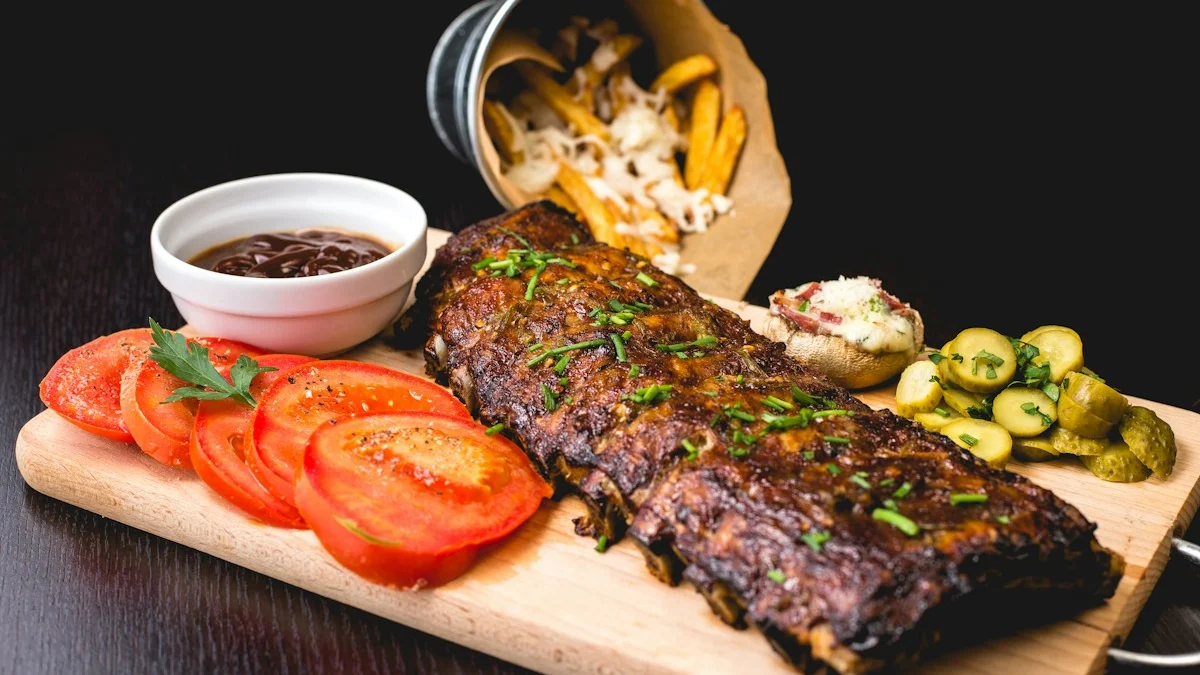
If liquid management is one of your biggest concerns, look at the John Boos Maple AuJus Cutting Board.
Instead of a basic groove, this model uses a sloped juice groove designed to help collect liquid. The 20-by-15-inch model is 1.5 inches thick and made from Northern Hard Rock Maple. It is also reversible and includes recessed finger grips. John Boos lists the AuJus board as NSF certified.
Why It Is Different
Most wooden cutting boards have a narrow channel running around the outside edge. That is useful, but if you regularly prepare or carve foods that release more liquid, a more substantial juice-management design may be useful. The AuJus is therefore particularly attractive for meat-focused kitchens.
Raw vs. Cooked Meat
Remember that raw-meat preparation and carving cooked meat should ideally not happen on an unwashed surface. If you have used the board for raw chicken or beef, clean and sanitize it properly before using it again for cooked food. USDA warns against putting cooked food onto surfaces or utensils that previously held raw meat unless they have first been properly cleaned.
Downside
It is a premium product and may be unnecessary if you prepare meat only occasionally.
Best For
Serious home cooks, BBQ enthusiasts, and households that regularly work with larger or juicier cuts.
5. Sonder LA Franklin — Best Walnut Cutting Board
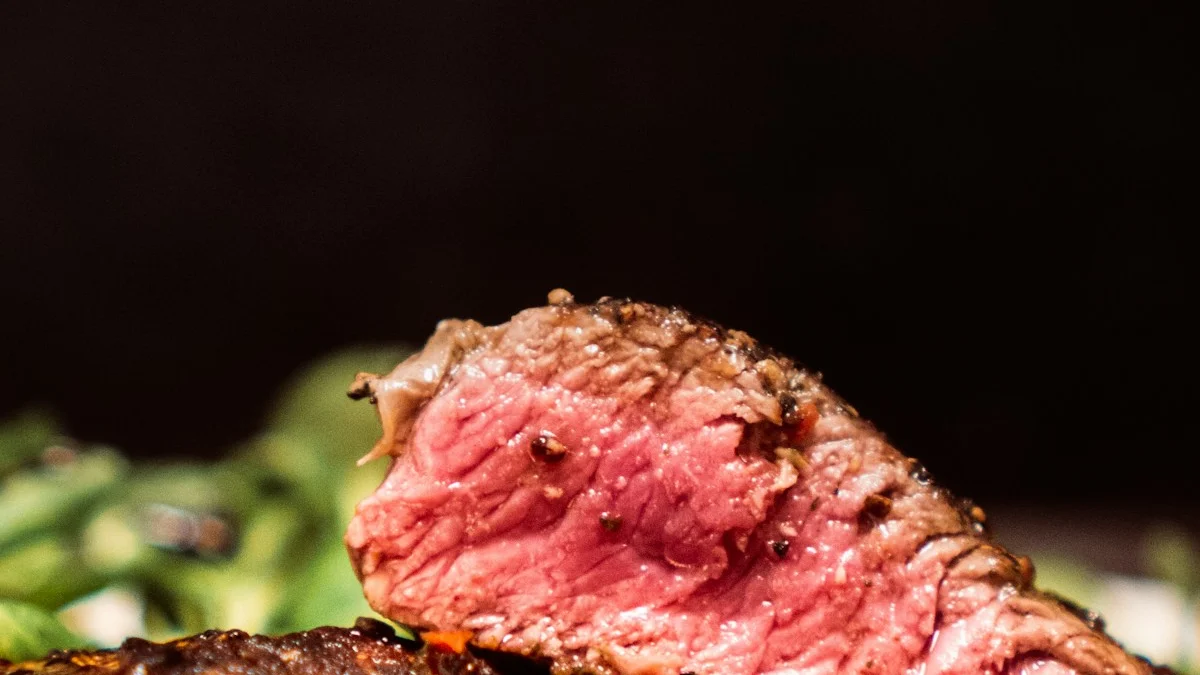
If aesthetics matter almost as much as performance, the Sonder Los Angeles Franklin Cutting Board deserves consideration.
It uses American Black Walnut and measures approximately 20 by 15 by 1.5 inches. The board has edge-grain construction, a juice groove, finger grips, and removable rubber feet. It weighs around 10.3 pounds.
Why Choose Walnut?
Black walnut produces a darker, warmer appearance than pale maple. That makes the Franklin attractive if the board will stay visible on your countertop. Its large size gives you useful working space for meat preparation, while the juice groove can contain liquid around the outside.
Removable Feet
A stable cutting surface matters whenever you are using a kitchen knife. The removable feet can help provide stability, while removing them gives you more flexibility in how the board is used.
Downside
Walnut tends to cost more than basic acacia options. And like other quality wooden boards, it requires manual cleaning and periodic maintenance.
Best For
Someone who wants a premium dark-wood board that can remain part of the kitchen decor instead of being hidden in a cabinet.
6. Teakhaus Essential 405 — Best Lightweight Choice
Heavy cutting boards are stable, but there is one obvious disadvantage: cleaning them can become a chore. The Teakhaus Essential 405 addresses that problem.
It measures around 16 by 11 inches, is approximately 0.55 inches thick, and weighs only about two pounds. Despite the slimmer construction, it still includes a perimeter juice canal. Teakhaus states that the board comes pre-oiled and recommends hand washing, towel drying, and regular treatment with food-grade mineral oil.
Why We Like It
After handling raw meat, you want to clean your cutting board immediately. A smaller two-pound board is much easier to carry to the sink than a 12- or 18-pound butcher block. That convenience could matter more than extreme thickness for some households.
The Trade-Off
A lightweight board will not feel as planted on the counter as a thick block. Placing a clean damp kitchen towel or suitable non-slip mat underneath can help stabilize a board while you work. Do not sacrifice a stable cutting surface simply to save weight.
Best For
Small kitchens, occasional meat preparation, or users who struggle to lift heavy wooden boards.
7. Teakhaus Traditional Carving Board 108 — Best Large Wooden Board
Sometimes you simply need more space. The Teakhaus Traditional Carving Board 108 measures approximately 24 by 18 inches and is 1.5 inches thick.
It weighs about 15 pounds and includes edge-grain teak construction, a juice canal, hand grips, and a reversible design.
Why Buy Such a Large Board?
A larger cutting surface gives you room to separate tools and ingredients while working. It is useful when preparing whole poultry, large roasts, ribs, or multiple pieces of meat. The perimeter juice canal also becomes particularly valuable when dealing with larger quantities.
The Obvious Downside
A 24-by-18-inch wooden board requires a large sink, large counter, and enough storage space. Measure your kitchen before ordering. A board that is excellent to cut on but impossible to wash comfortably will quickly become frustrating.
Best For
Large kitchens, serious home cooks, BBQ preparation, and households frequently working with large cuts of meat.
What Makes a Good Wooden Cutting Board for Raw Meat?
The best board is not necessarily the most expensive one. For raw meat, there are several factors that matter more.
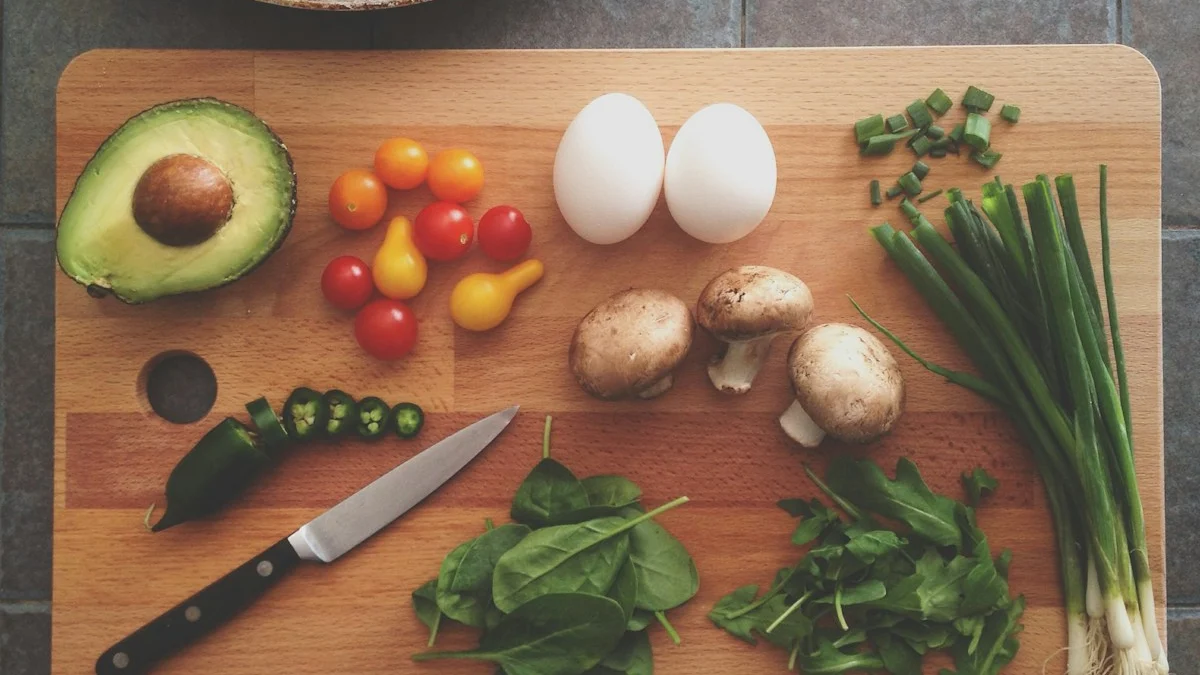
Choose a Dedicated Board
This is the most important recommendation in this entire guide. The USDA recommends, when possible, keeping one cutting board for raw meat, poultry, and seafood and another for bread, vegetables, fruit, and other foods that may not be cooked before eating. Even an expensive wood board can become a cross-contamination problem if it is handled incorrectly.
Look for a Juice Groove
Raw meat can release liquid during trimming and portioning. A perimeter groove provides somewhere for that liquid to collect instead of allowing it to immediately reach your countertop. Think of it as spill management rather than a food-safety system.
Pick the Right Size & Thickness
For everyday meat preparation, around 16 by 12 inches can work well. For larger cuts or whole poultry, something closer to 20 by 15 inches provides significantly more working room. A 1.5-inch board generally feels more substantial and stable than an extremely thin board, though a thinner board is lighter to carry to the sink.
Maple, Teak, Walnut, or Acacia?
Maple is a classic choice with a light appearance and long history in professional-style butcher blocks. Teak contains natural oils and is valued for moisture resistance. Walnut provides a softer, darker premium appearance. Acacia can provide excellent value while still delivering a substantial hardwood surface.
How to Clean a Wooden Cutting Board After Raw Meat

After preparing raw meat, wash the board promptly with hot, soapy water. Rinse it with clean water and dry it rather than leaving it sitting wet.
USDA guidance also says wooden and plastic cutting boards can be sanitized using a solution made with 1 tablespoon of unscented liquid chlorine bleach per gallon of water. The surface should be flooded with the solution, allowed to stand for several minutes, then rinsed with clean water and air-dried or dried with clean paper towels.
Always consider the board manufacturer's care instructions as well. Many premium laminated wooden boards specifically advise against dishwasher use, soaking, or prolonged exposure to water. Once a wooden cutting board develops deep, hard-to-clean grooves or excessive wear, USDA recommends replacing it.
Wooden vs. Plastic Cutting Board for Raw Meat
A wooden cutting board can absolutely be used for raw meat when handled properly. However, plastic has one major advantage: nonporous materials are easier to clean than wood, according to USDA guidance.
Wood has other advantages. It is generally gentle on quality knife edges, can last for years when maintained properly, and many users prefer its weight and feel while chopping. If you prefer the cutting feel, durability, appearance, and stability of hardwood, a dedicated wooden meat board can be an excellent choice—as long as you commit to cleaning it properly every time.
Frequently Asked Questions
Is a wooden cutting board safe for raw chicken?
Yes. USDA states that consumers may use wood or nonporous cutting boards for raw meat and poultry. The board must be cleaned properly afterward, and using a separate board for raw meat is recommended when possible.
What type of wood is best for a meat cutting board?
Hardwoods such as maple, teak, walnut, and acacia are common choices. For raw meat, board design and maintenance matter just as much as wood species. A stable board with enough working area and a juice groove is particularly useful.
Should I use the same wooden board for meat and vegetables?
Ideally, no. USDA and FDA guidance recommend separate boards for raw meat, poultry, or seafood and foods such as fresh produce when possible.
Is a juice groove necessary?
It is not mandatory, but it is extremely useful for meat preparation because it can catch liquids before they spill over the edge of the board.
Can I put my wooden cutting board in the dishwasher?
Check the manufacturer's instructions first. Many premium laminated wooden boards should be hand washed because extended heat and moisture can cause warping, splitting, or glue-joint damage.
When should I replace a wooden cutting board?
Replace it when it becomes excessively worn or develops deep grooves that are difficult to clean properly.
What is the best wooden cutting board for raw meat overall?
For most serious home cooks, the John Boos Maple CB Series 20 x 15-inch board is our overall choice because it combines a thick hard-maple surface, useful size, reversible design, recessed grips, and a dedicated juice groove.
Final Verdict
The best wooden cutting board for raw meat should make preparation easier without making safe cleanup unnecessarily difficult.
For most kitchens, our top choice is the John Boos Maple CB Series. Its 20-by-15-inch working area gives you plenty of preparation space, the 1.5-inch construction provides a substantial cutting surface, and the perimeter groove helps control meat juices.
For teak lovers, the Teakhaus Traditional 109 is an excellent alternative. If you have a smaller kitchen or want something more affordable, the Sonder Winsome Acacia Cutting Board provides a useful combination of size, thickness, and juice management. For maximum juice control, consider the John Boos AuJus. And if cleaning a heavy board is difficult for you, the lightweight Teakhaus Essential 405 may be the more practical choice.
Most importantly, whichever board you buy, dedicate it to raw meat when possible, wash it thoroughly after every use, and replace it when deep cuts become difficult to clean.
Our Overall Pick: John Boos Maple CB Series