1. A Statement Upholstered Headboard as a Focal Point
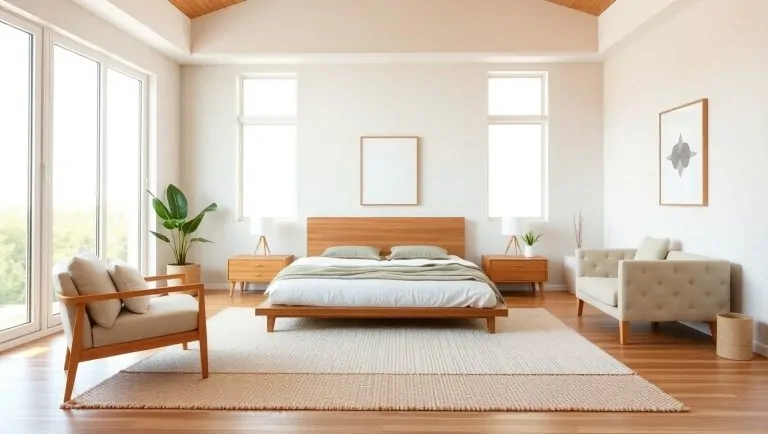
In a spacious master bedroom, standard furniture proportions can easily get lost against expansive wall dimensions. An oversized upholstered headboard immediately anchors the entire room, creating an architectural focal point that commands attention the moment you walk through the door. Whether you choose floor-to-ceiling channel tufting, rich boucle upholstery, or tailored wingback curves, a tall headboard establishes luxurious vertical scale while providing an ultra-comfortable backrest for late-night reading.
Styling Tip: Choose performance velvet, textured linen, or heavy boucle in a grounding neutral like charcoal, oatmeal, or rich taupe. Pair the headboard with contrasting crisp white or ivory bed linens to let the upholstered silhouette stand out with sharp, tailored elegance.
2. A Sitting Area with a Chair and Small Table
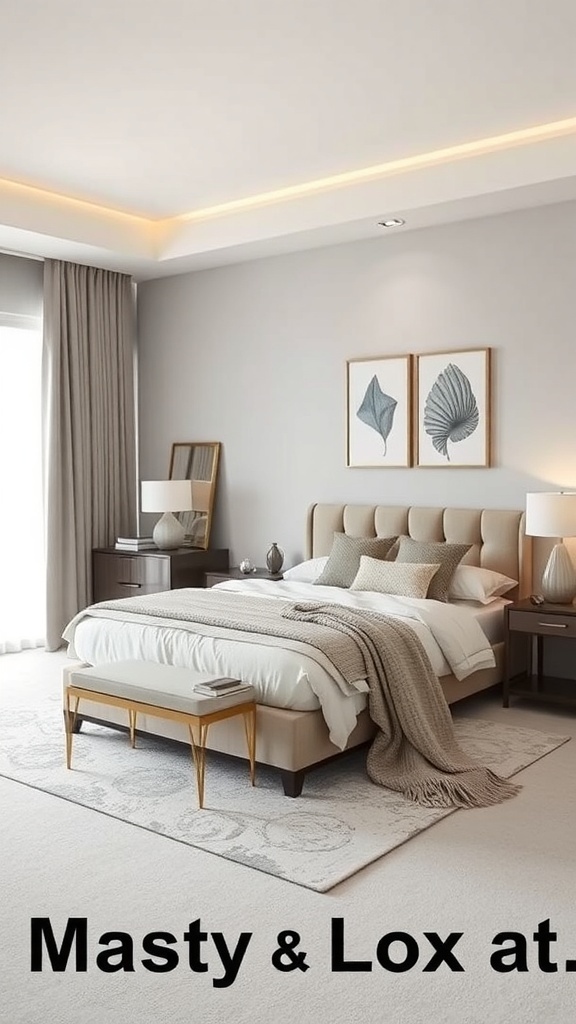
What truly separates a true primary master suite from a standard bedroom is the inclusion of dedicated zones for quiet daytime leisure. Carving out a distinct sitting area with a pair of sculpted armchairs and a small marble or timber accent table transforms your room from merely a sleeping quarter into a private, multi-functional sanctuary where you can enjoy morning coffee or decompress with a favorite book.
Styling Tip: Position the seating vignette diagonally across from the bed or near an alcove window. Anchor the chairs over their own small round wool rug and add a slender brass floor lamp to define the area as an independent, cozy retreat within the larger suite.
3. Symmetrical Nightstands and Lighting for Balance
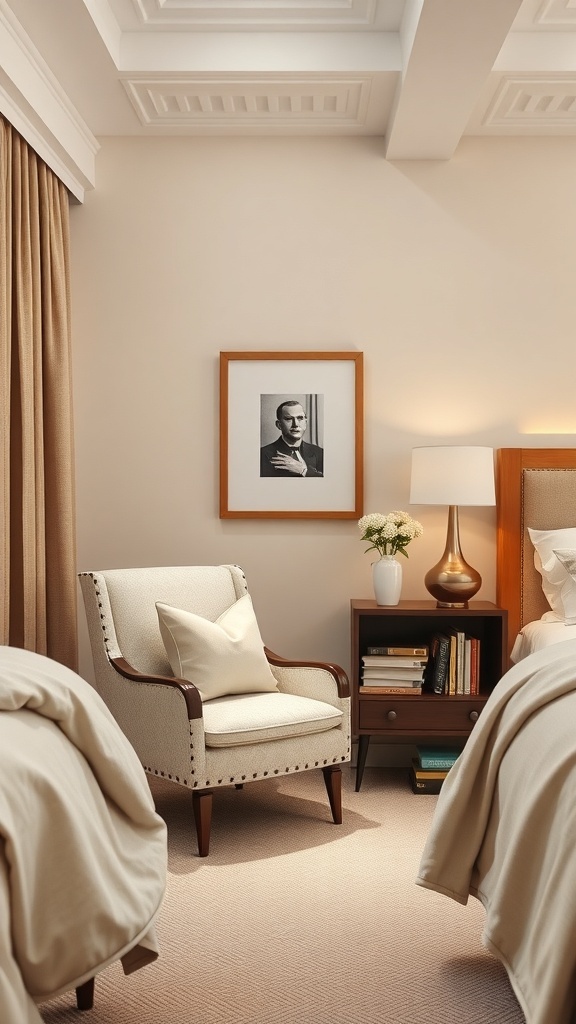
Visual symmetry is one of the most effective principles in luxury interior design for fostering a sense of calm, order, and refined elegance. Flanking a king-size bed with matching oversized nightstands and identical lighting fixtures creates an immediate sense of equilibrium that feels restful to the eyes and perfectly proportioned to generous master room dimensions.
Styling Tip: Select nightstands that span at least 28 to 32 inches in width to prevent them from looking diminutive against a king bed. Keep tabletop styling mirrored—with identical lamps, matching catchall trays, and small botanical arrangements—to maintain clean visual harmony.
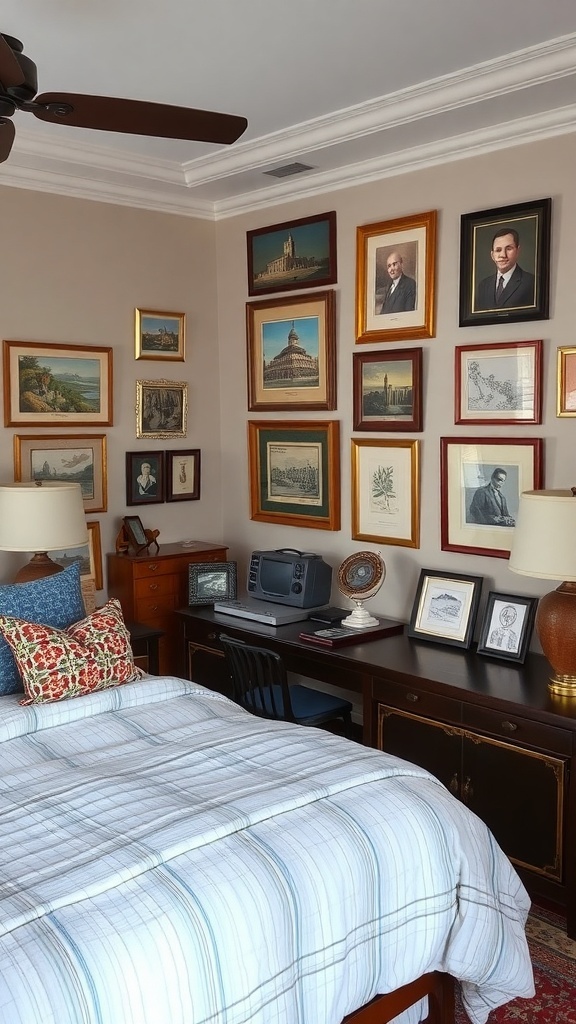
4. A Large Area Rug to Anchor the Room
An undersized rug is one of the most common mistakes in large master bedrooms, causing furniture to feel disjointed and floating. A generous 9x12 or 10x14 area rug physically unifies the sleeping zone, dampens acoustic echoes in high-ceilinged spaces, and provides an exceptionally plush landing surface underfoot when you step out of bed each morning.
Styling Tip: Ensure the rug extends at least 24 to 36 inches beyond the sides and foot of the bed frame. If your nightstands sit entirely on the hardwood floor, tuck the top edge of the rug just in front of the nightstand legs for a modern, grounded presentation.
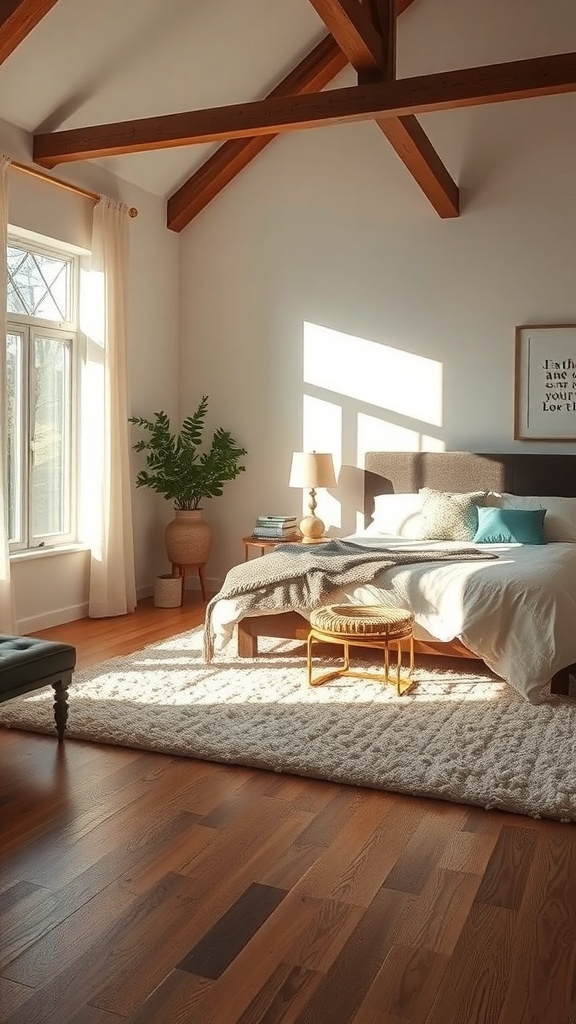
5. Layered Lighting (Chandelier, Sconces, Lamps)
Relying solely on overhead recessed ceiling spotlights creates harsh shadows and a sterile atmosphere that works against relaxation. A master bedroom demands three distinct layers of lighting: ambient light from a statement chandelier, task lighting from articulated bedside reading sconces, and accent lighting from table lamps on dressers and consoles.
Styling Tip: Put every lighting circuit on separate dimmer controls with warm 2700K LED bulbs. This allows you to effortlessly transition from bright, practical illumination while dressing in the morning to a warm, candlelit glow when winding down for sleep.
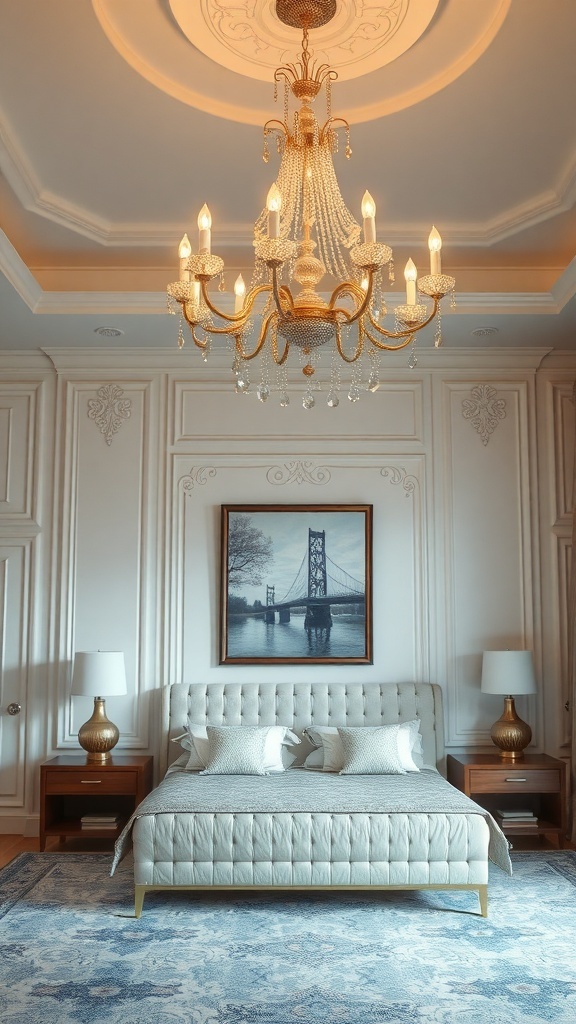
6. A Dedicated Vanity or Dressing Area
Incorporating a dedicated vanity or dressing console elevates your daily morning routine into a pampering ritual. A vanity station provides a designated home for skincare, jewelry, and fragrances, keeping your en-suite bathroom counters completely clutter-free while adding a touch of classic boutique luxury directly into your bedroom layout.
Styling Tip: Choose a sleek desk with shallow drawers to store cosmetics neatly out of sight. Pair it with an arched or circular backlit LED mirror and a low-profile velvet ottoman that easily slides completely under the tabletop when not in use.
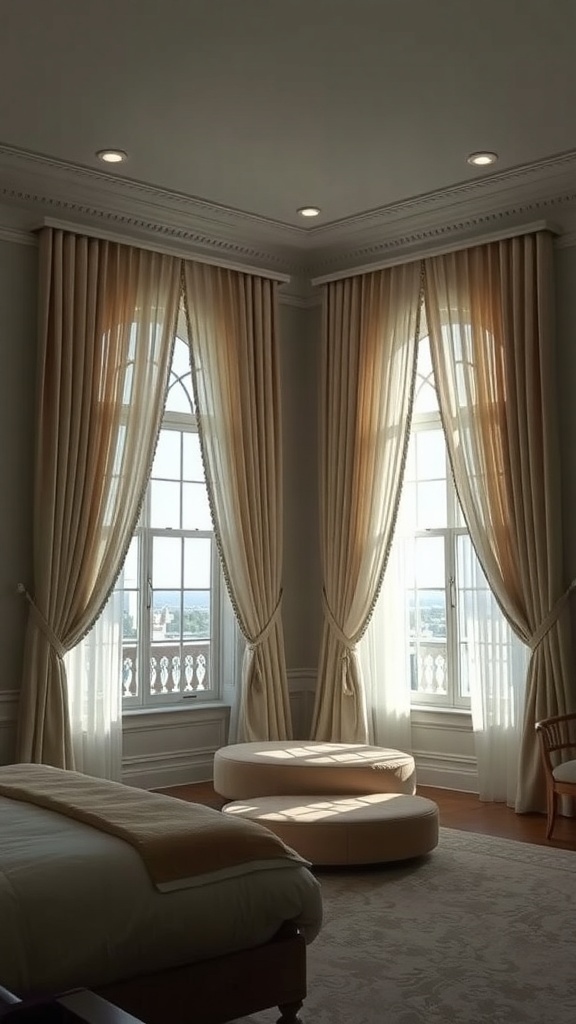
7. Floor-to-Ceiling Curtains for Dramatic Height
Window treatments play a defining role in framing the architectural boundaries of a master suite. Installing custom floor-to-ceiling drapery panels mounted high above the window casing draws the eye upward, accentuating ceiling height and making the entire room feel grander, softer, and substantially more insulated against outside noise.
Styling Tip: Mount drapery rods just below the ceiling crown molding and extend the rod 12 to 18 inches beyond the window frame on each side. This allows the curtain fabric to stack completely clear of the glass when opened, maximizing incoming daylight.
8. A Statement Piece of Art Above the Bed
Rather than cluttering the primary wall with multiple small, disjointed photo frames, anchoring the headboard with a single large-format artwork delivers bold visual confidence and curated sophistication. An expansive abstract canvas or serene landscape establishes the room's overarching color story and sets a peaceful, contemplative tone.
Styling Tip: Select a canvas or framed piece that measures roughly two-thirds to three-quarters the width of your headboard to maintain balanced scale. Hang the bottom edge 8 to 10 inches above the headboard so the art feels comfortably integrated with the furniture.
9. A Cozy Reading Nook by a Window
A sunlit window bay or corner alcove presents the ideal opportunity to build a dedicated reading nook. Whether built as a custom cushioned window bench with storage drawers or styled with an oversized chaise lounge, a reading corner takes full advantage of natural exterior vistas while adding rich architectural character.
Styling Tip: Layer the window seat with high-density foam upholstery cushions, tactile linen bolster pillows, and a chunky knit wool throw. Keep a small movable drink table and an adjustable task lamp nearby for effortless reading comfort day or night.
10. Warm, Layered Bedding for a Hotel-Like Feel
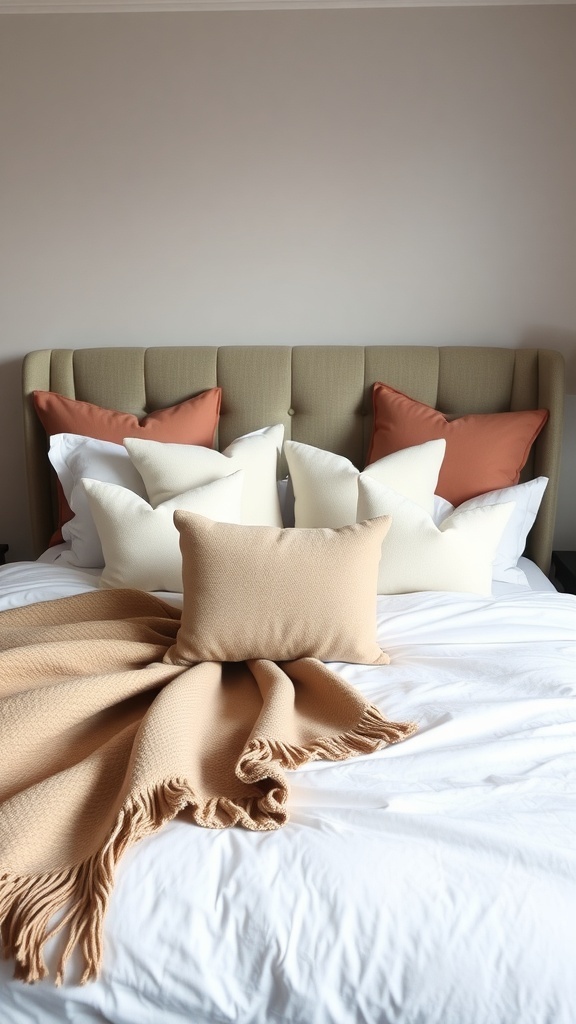
The bed is the crown jewel of the master suite, and styling it with multi-layered, tactile textiles creates that coveted five-star luxury hotel experience at home. A layered bed combines smooth high-thread-count base sheets with fluffy down duvets, textured coverlets, and varied decorative pillow scales to invite restorative, deeply comfortable rest.
Styling Tip: Fold your primary duvet into thirds across the bottom half of the mattress to reveal a neatly turned-down flat sheet and coverlet. Layer two large 26x26 euro shams against the headboard behind your sleeping pillows, finishing with a single long lumbar pillow for effortless styling.
11. An En-Suite-Adjacent Seating Vignette
In larger master suites with open transitions into primary en-suite bathrooms, leaving transitional hallways bare can make the layout feel cold or clinical. Setting up a curated seating vignette or small bench right near the en-suite entrance softens the threshold and creates a seamless flow between grooming and relaxation zones.
Styling Tip: Use a slim, backless bench in leather or boucle that hugs the wall without blocking walking traffic. Pair it with a tall architectural indoor plant and a wall-mounted towel hook or robe stand for functional, spa-inspired luxury.
12. A Large Mirror to Enhance Light and Space
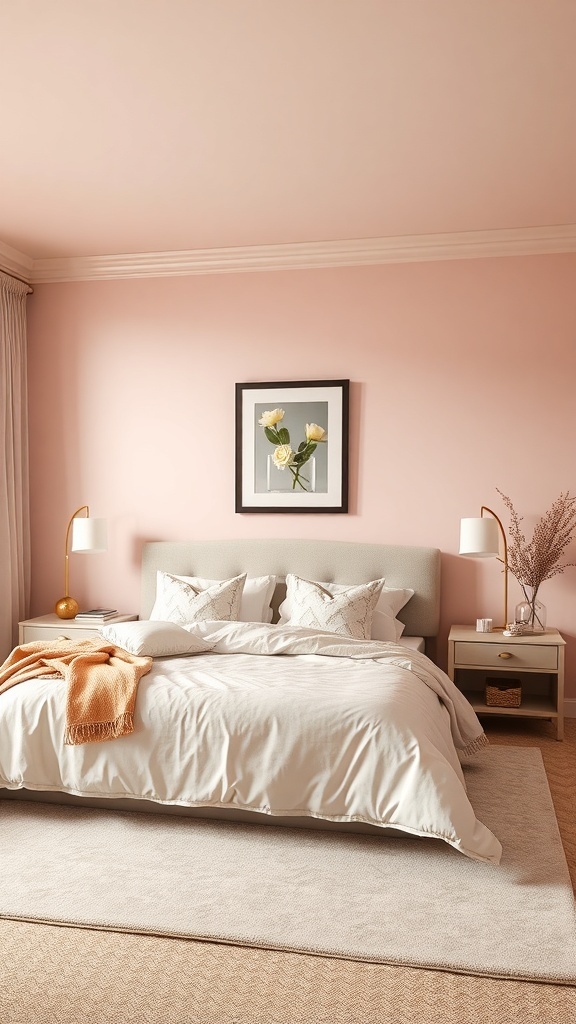
An oversized leaning floor mirror or grand wall-mounted mirror serves dual purposes: it provides a functional full-length reflection while bouncing natural window light into deeper, darker corners of the bedroom. The reflective surface visually doubles room depth, enhancing the open, airy ambiance of your suite.
Styling Tip: Position the mirror directly opposite or perpendicular to a primary window to capture maximum outdoor daylight and scenic garden reflections. Ensure floor-leaning mirrors are firmly secured to wall studs with concealed safety anti-tip hardware.
13. Built-In or Custom Closet Styling Visible from the Room
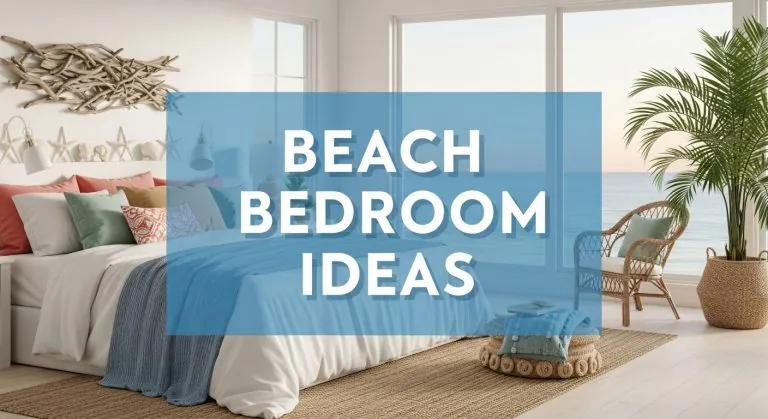
When closet doors and wardrobes are visible from the main sleeping space, treating them as integral architectural elements rather than plain utility doors elevates the entire room. Custom floor-to-ceiling built-in cabinetry with paneled fronts, warm wood veneers, and integrated handle hardware creates a polished, high-end boutique aesthetic.
Styling Tip: Install interior warm LED strip lighting activated by magnetic door sensors. For open wardrobe niches, keep hanger types uniform in matte black or natural wood and display only your most aesthetic, neutral garments and accessories.
14. A Fireplace or Faux-Fireplace as a Secondary Focal Point
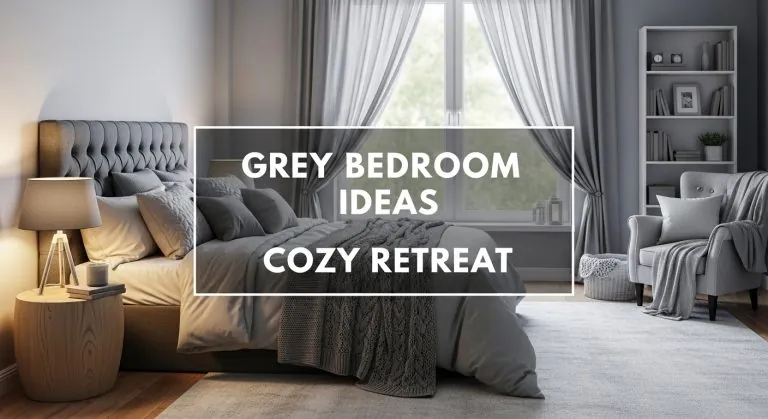
Nothing enhances the cozy, romantic ambiance of a primary master suite quite like the soft, warm glow of a bedroom fireplace. Whether an authentic gas hearth, a sleek electric linear fireplace, or a vintage mantel styled with glowing pillar candles, a fireplace provides a secondary focal point that anchors seating layouts and invites deep relaxation.
Styling Tip: Keep the mantel design understated and uncluttered. Style the shelf with an asymmetric arrangement of two ceramic vessels, a framed landscape sketch, and a pair of brass taper candle holders to maintain a refined, organic feel.
15. Textured Wallpaper or Paneling Behind the Bed
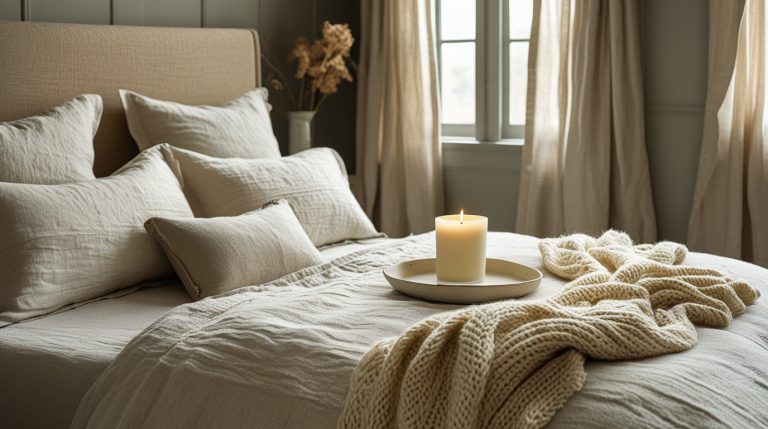
If you want to add character without visual clutter, introducing textured wall treatments—such as natural grasscloth wallpaper, vertical wood slat paneling, or refined picture frame moldings—creates rich tactile depth behind your bed. The tactile texture catches ambient lighting, turning a flat drywall surface into a work of craftsmanship.
Styling Tip: In bedrooms, choose organic, low-sheen textural wallpapers like silk weave, linen, or raw grasscloth. The subtle, irregular weave softens acoustic reverberation while providing an earthy, grounded backdrop for your headboard.
16. A Bench at the Foot of the Bed for Styling and Function
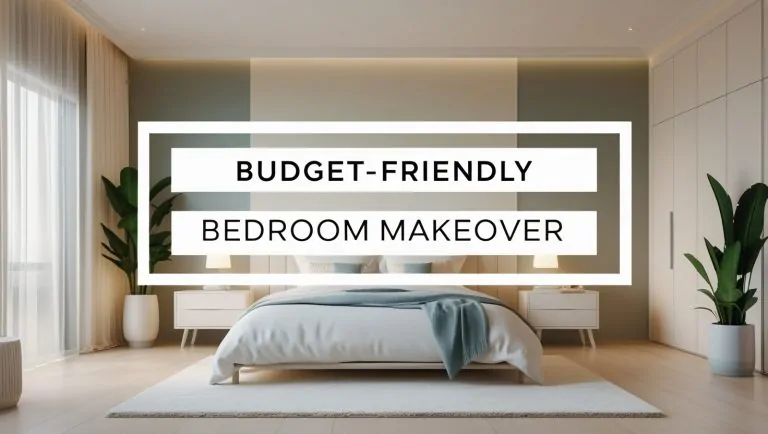
An end-of-bed bench is an essential finishing piece for larger master bedrooms. It visually completes the bed frame silhouette, prevents the space at the foot of the bed from looking empty, and provides a practical surface for putting on shoes, laying out tomorrow's wardrobe, or resting extra throw blankets.
Styling Tip: Ensure the bench length spans roughly two-thirds to three-quarters the width of your mattress, and keep its top height 1 to 2 inches below the top surface of your styled bedding for clean, intentional proportions.

17. Warm Wood Tones Balanced with Soft Textiles
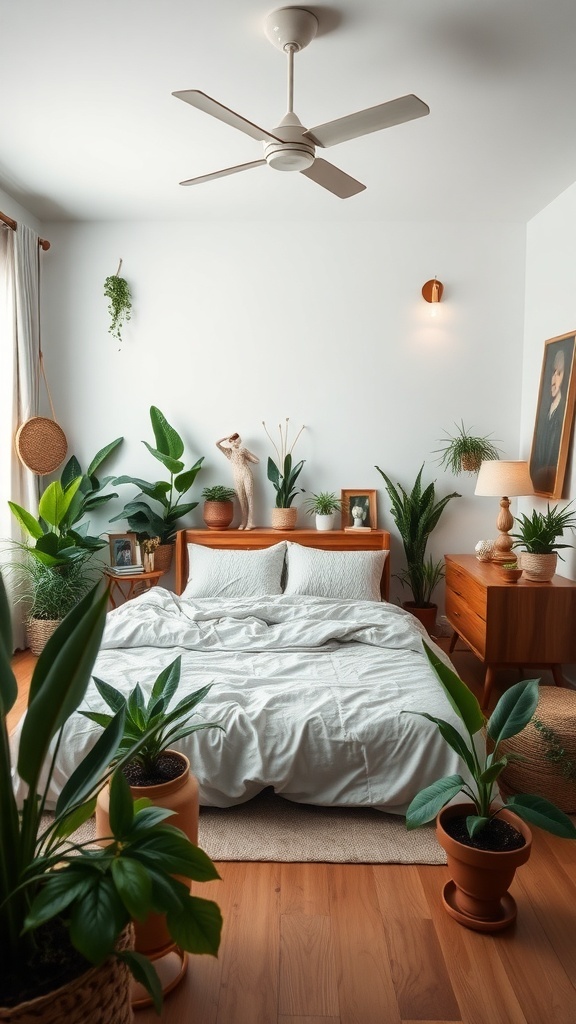
Master suites can quickly feel sterile if dominated solely by painted surfaces and synthetic finishes. Balancing rich natural wood tones—such as walnut, white oak, or teak—with soft, cloud-like textiles creates an organic warmth that makes expansive bedrooms feel intimate, welcoming, and grounded in nature.
Styling Tip: Mix wood species thoughtfully by keeping undertones consistent (e.g., pairing warm walnut with honey oak) and balancing every hard wooden surface with nearby soft elements like floor-length curtains, wool rugs, or upholstered headboards.
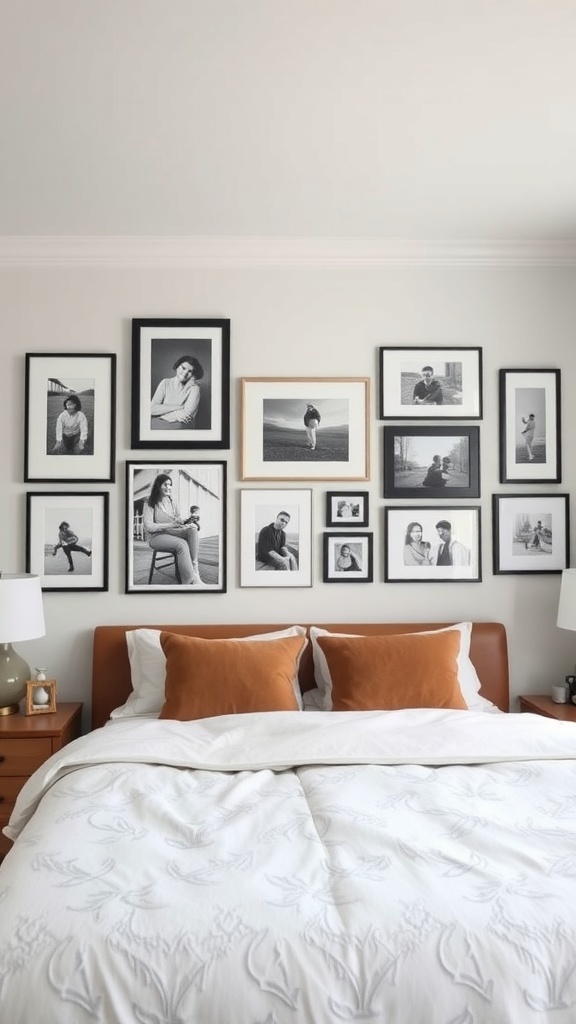
18. A Curated Gallery Wall on an Accent Wall
If you have a long, expansive wall across from your bed or alongside a dressing hallway, a curated gallery wall introduces personal narrative and artistic sophistication. A symmetrical grid of matching frames brings architectural discipline, while an eclectic organic cluster adds relaxed, collected-over-time character.
Styling Tip: For an elevated, calming bedroom atmosphere, stick to a cohesive framing style (such as slim brass or matte black frames with generous 3-inch white mats) and curate prints with a unified, soothing theme like black-and-white photography or minimalist line art.
19. Dimmable Lighting for a Spa-Like Evening Ambiance
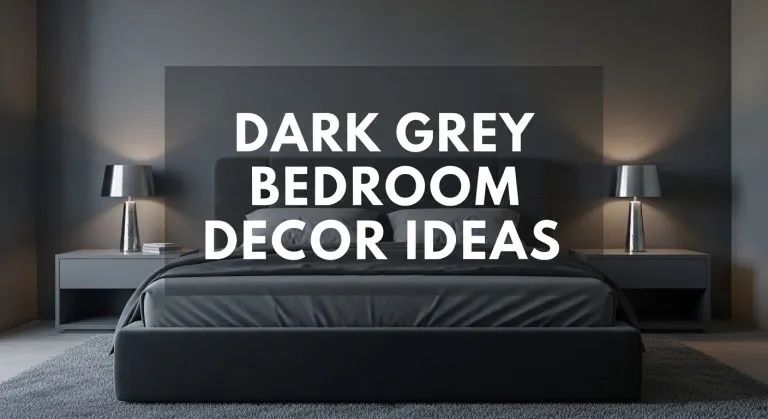
Your master bedroom should effortlessly transform its personality between morning productivity and evening restoration. Installing smart, dimmable ambient lighting controls allows you to dial down brightness levels to 20%, signaling to your brain that it is time to unwind, lower stress levels, and prepare for rejuvenating sleep.
Styling Tip: Integrate concealed LED cove lighting along ceiling perimeters or behind the headboard paneling. This indirect glow washes walls in soft ambient light without exposing your eyes to harsh direct bulb filaments.
20. Fresh Greenery or Florals for a Lived-In, Elevated Touch
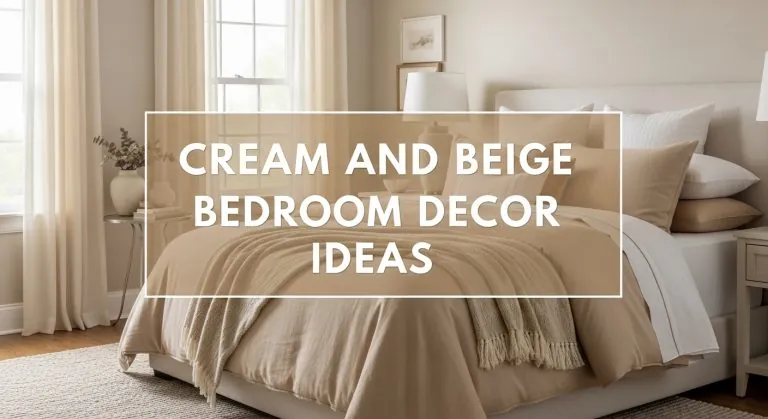
No master suite design is complete without the organic vibrancy of living botanicals. Introducing a tall vase of fresh eucalyptus branches on a dresser, a potted olive tree in a sunlit corner, or delicate seasonal florals on the nightstand breathes life, color, and natural fragrance into the bedroom, making the space feel authentically loved and lived-in.
Styling Tip: Choose sculptural foliage with long-lasting freshness like silver dollar eucalyptus, olive branches, or magnolia stems. Their structured green leaves add effortless architectural height and biophilic vitality without demanding high daily maintenance.