20 Large Dining Room Ideas to Create a Stunning Space for Family Gatherings
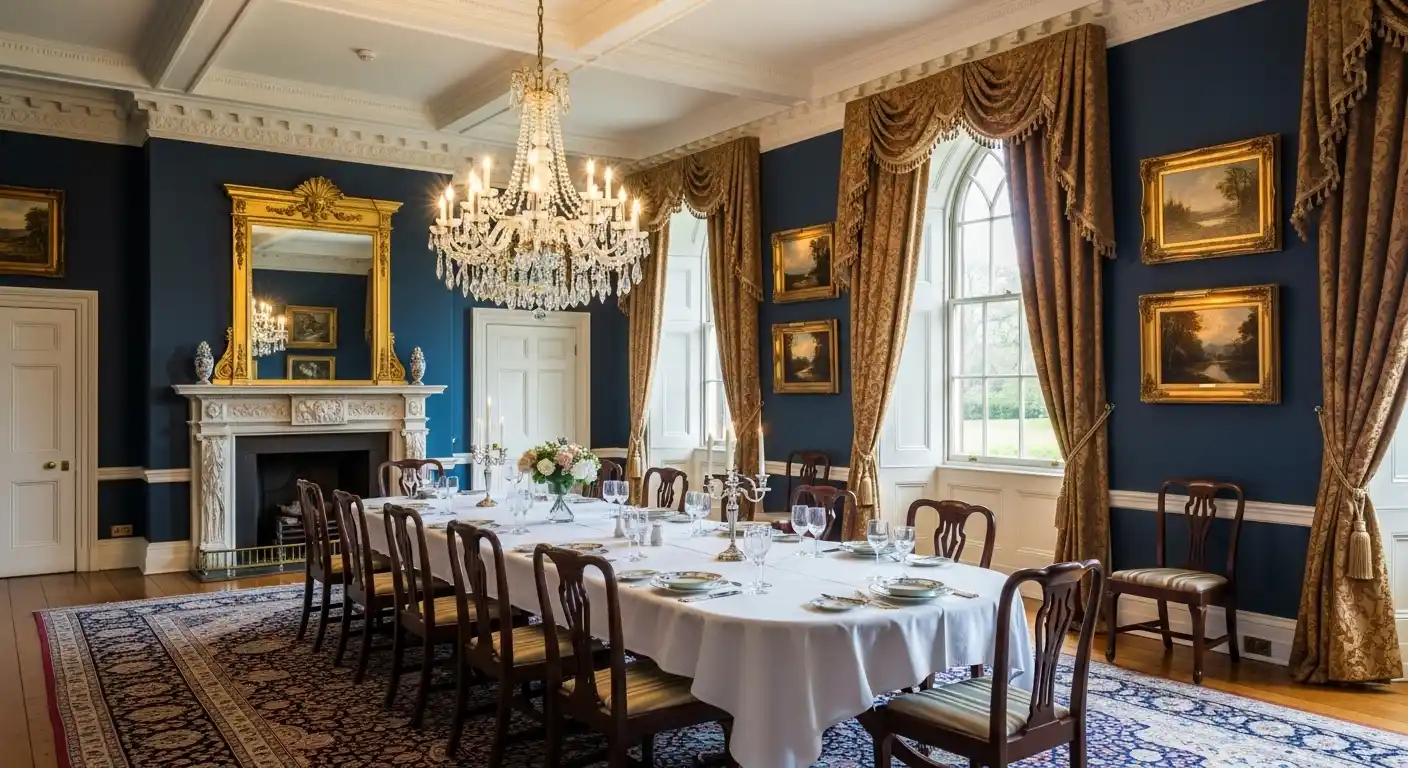
A large dining room offers endless possibilities for creating a beautiful, welcoming space where family and friends can gather, share meals, and make lasting memories. With plenty of room to experiment with furniture, lighting, colors, and decorative accents, you can design a dining area that feels both luxurious and comfortable.
However, decorating a spacious dining room comes with its own challenges. An oversized table can make the room feel unbalanced, while too little furniture may leave the space looking empty and unfinished. The secret is to create a thoughtful layout that combines functionality, visual interest, and a warm atmosphere.
Whether you love modern interiors, farmhouse charm, elegant traditional spaces, or relaxed organic designs, the right decorating choices can transform your dining room into the heart of your home.
From statement chandeliers and oversized dining tables to cozy conversation corners and sophisticated wall treatments, these 20 large dining room ideas will help you create a stunning space for family gatherings, holiday celebrations, and everyday meals.
1. Make a Statement with an Oversized Dining Table
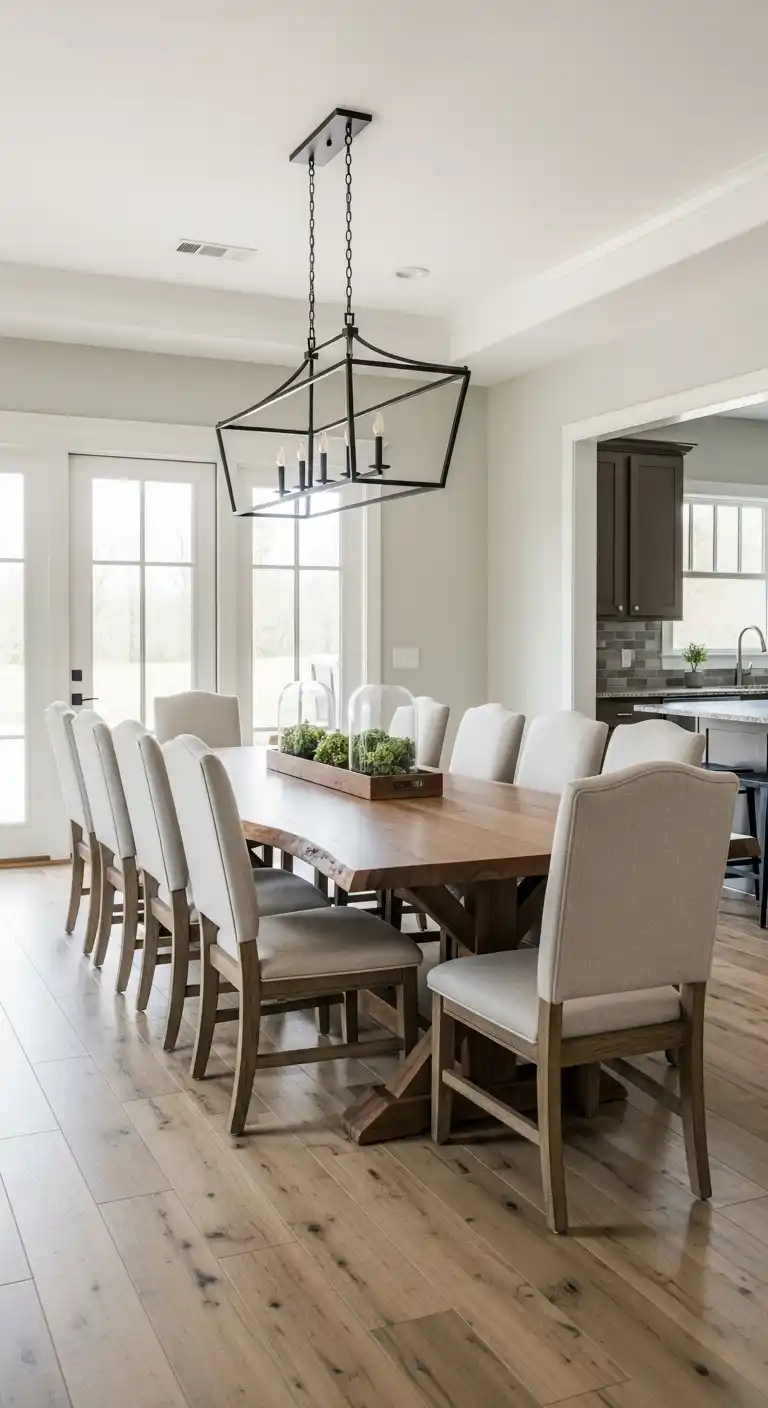
An oversized dining table is one of the most effective ways to make a large dining room feel intentional and well-designed. Instead of allowing the room's size to overwhelm the furniture, a generously proportioned table establishes a clear focal point and creates a natural gathering place.
A long rectangular table works beautifully in an elongated dining room, while a large round or oval table can soften a square space. Solid wood tables bring warmth and character, whereas marble and stone-look finishes create a more contemporary appearance.
Choose a table that comfortably accommodates your household and the number of guests you typically entertain. Leave enough space around the edges for chairs to move freely and people to walk behind seated guests.
To style the table, add a simple centerpiece featuring a ceramic vase, seasonal branches, or a low floral arrangement. Keep the decoration proportionate to the table so the surface remains practical for serving food.
Design tip: Pair a substantial wooden table with upholstered dining chairs and a statement pendant light for a balanced combination of comfort and sophistication.
2. Install a Dramatic Statement Chandelier
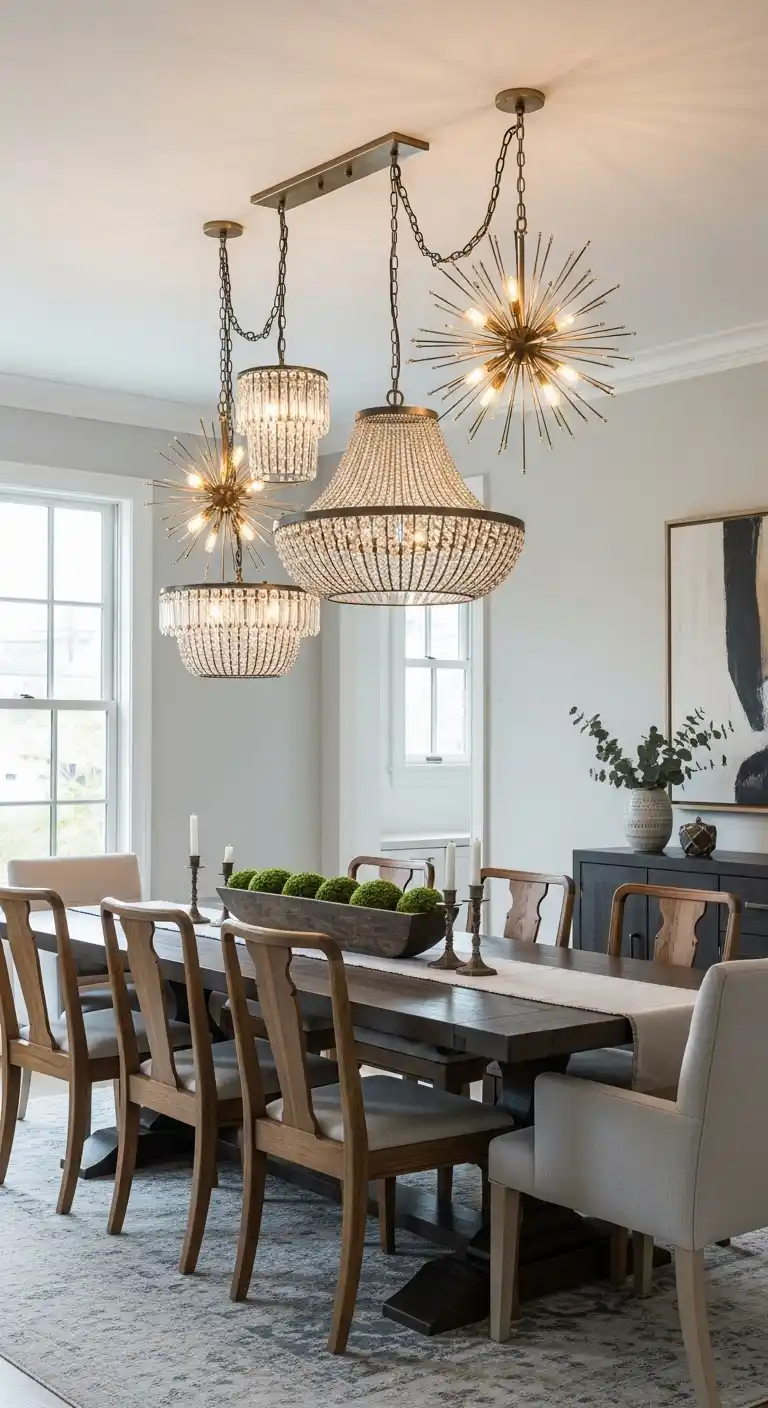
Lighting can completely change the atmosphere of a large dining room. A dramatic chandelier creates a focal point, draws the eye toward the dining table, and helps the room feel more cohesive.
For contemporary spaces, consider sculptural lighting with curved arms, globe-shaped shades, or a linear design. Traditional dining rooms may benefit from a crystal chandelier or an elegant fixture with warm metallic details.
The size of the chandelier matters. A tiny light fixture can look lost above a large table, while an excessively large one may obstruct views across the room. Consider both the table dimensions and ceiling height when selecting a fixture.
Warm-white lighting generally creates a welcoming atmosphere for family dinners and evening entertaining. Installing a dimmer can make the room adaptable, allowing brighter light during meals and softer illumination for special occasions.
Layer the chandelier with wall sconces, recessed lighting, or a nearby floor lamp where appropriate. Multiple light sources add depth and prevent the room from feeling flat after dark.
Design tip: Center the main chandelier over the dining table rather than automatically placing it in the middle of the entire room.
3. Create a Modern Organic Dining Room
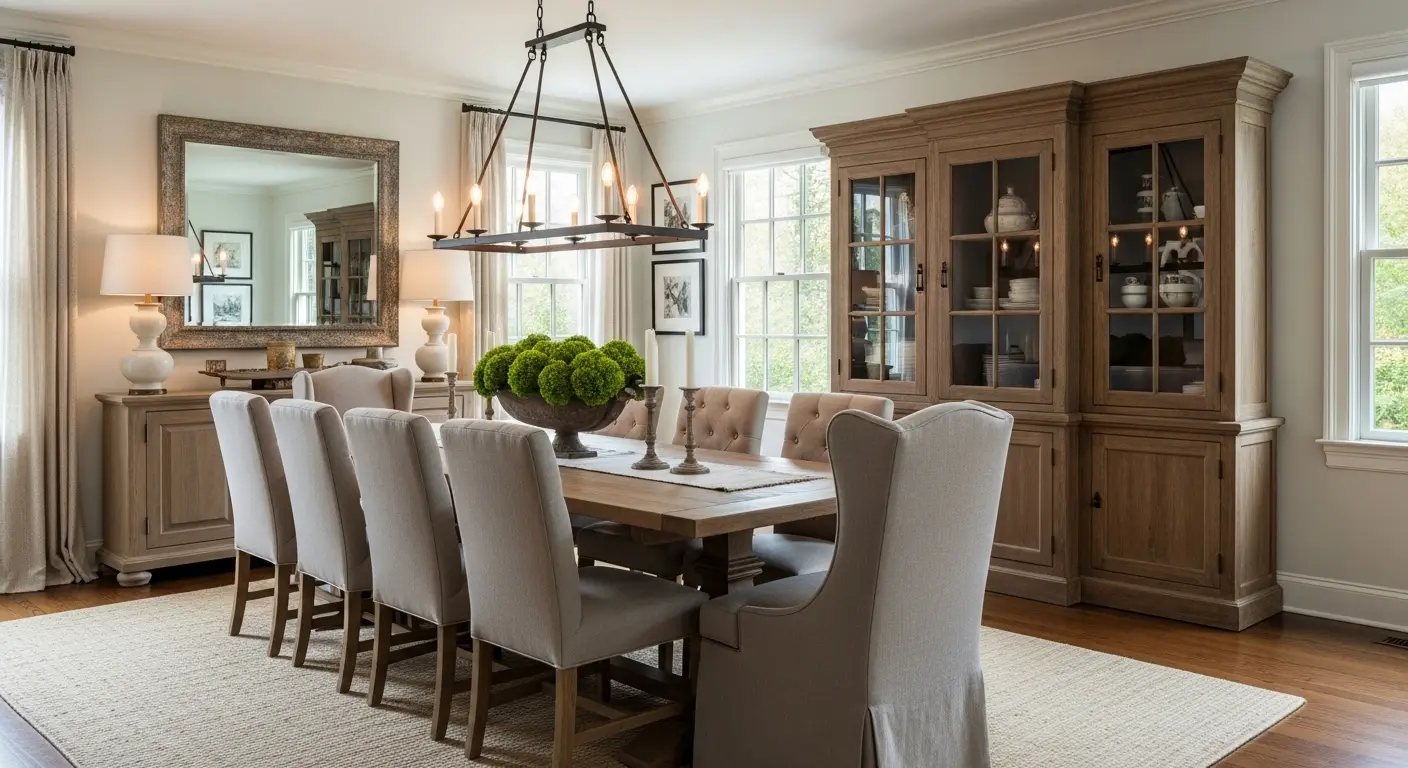
Modern organic design combines contemporary simplicity with natural materials, earthy colors, and soft textures. It is an excellent approach for a large dining room because it creates a spacious, peaceful environment without making the room feel cold or overly minimal.
Start with a natural wood dining table in oak, walnut, or a similar warm finish. Add upholstered chairs in cream or beige, a textured rug, and understated decorative accessories.
Materials such as linen, stone, ceramic, rattan, and wood help create visual variety while maintaining a cohesive palette.
For the walls, consider warm white, soft taupe, or a subtle earthy shade. Large windows, natural light, and greenery can further strengthen the connection to nature.
Avoid filling every corner with accessories. Modern organic rooms look best when individual pieces have enough space to stand out.
Design tip: Combine a substantial wood table with curved upholstered chairs and a large ceramic vase for an elegant yet relaxed look.
4. Add a Large Area Rug to Define the Dining Space
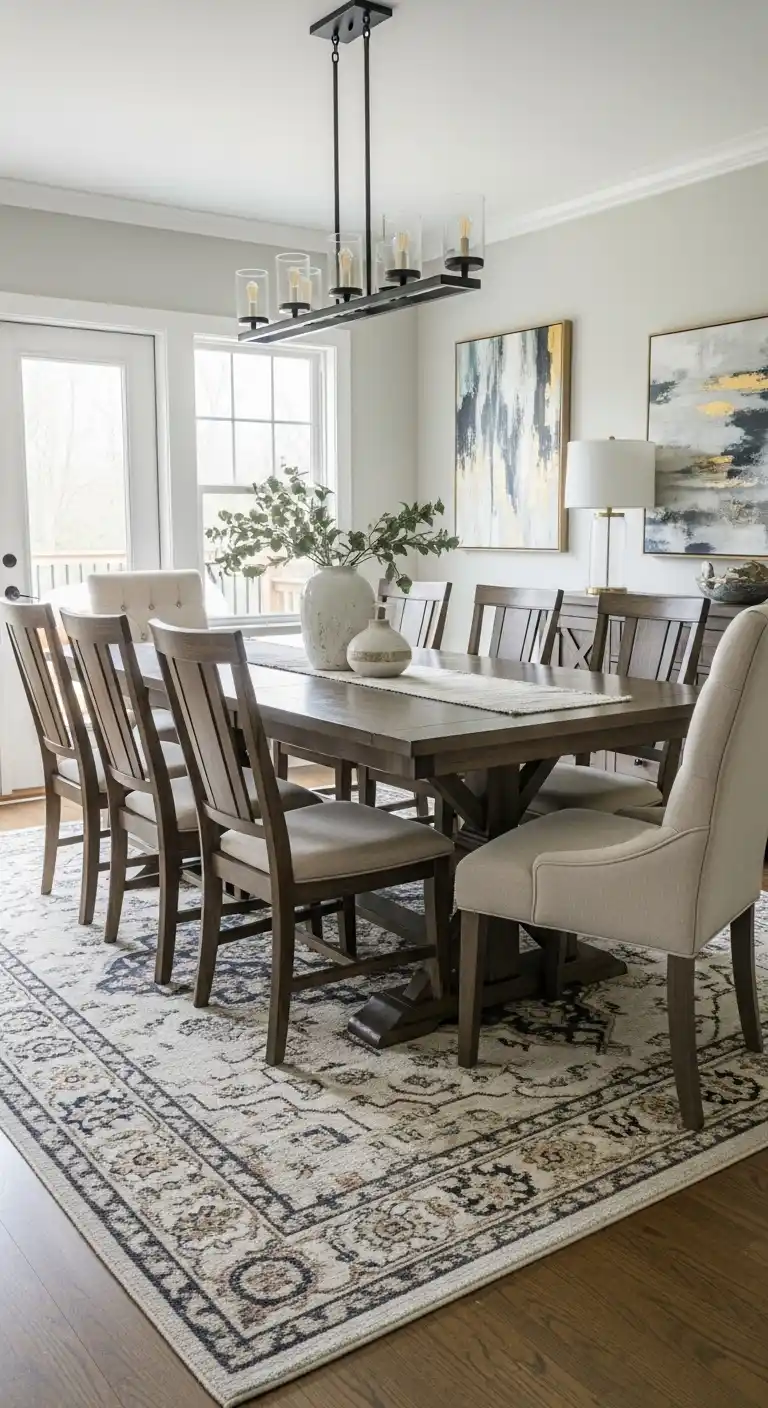
A large dining room can sometimes feel disconnected, particularly when the dining table sits in the center of an expansive floor. A properly sized area rug helps anchor the furniture and visually define the dining zone.
Choose a rug that extends beyond the dining table and chairs. Ideally, the chairs should remain on the rug even when pulled back from the table. This improves comfort and creates a more polished appearance.
Flatweave rugs and low-pile designs are often practical for dining rooms because chairs move more easily across them. Wool blends and durable synthetic materials may also be worth considering, depending on your household and cleaning preferences.
Color and pattern can help establish the room's overall style. A neutral textured rug suits modern interiors, while a traditional patterned rug introduces character and visual depth.
If your dining room already contains a bold chandelier, dramatic artwork, and decorative furniture, a quieter rug may provide balance. Alternatively, a patterned rug can become the room's main statement when the other elements are simple.
Design tip: Before buying, measure the table with all chairs pulled out to ensure the rug is large enough for comfortable everyday use.
5. Design a Beautiful Farmhouse Dining Room
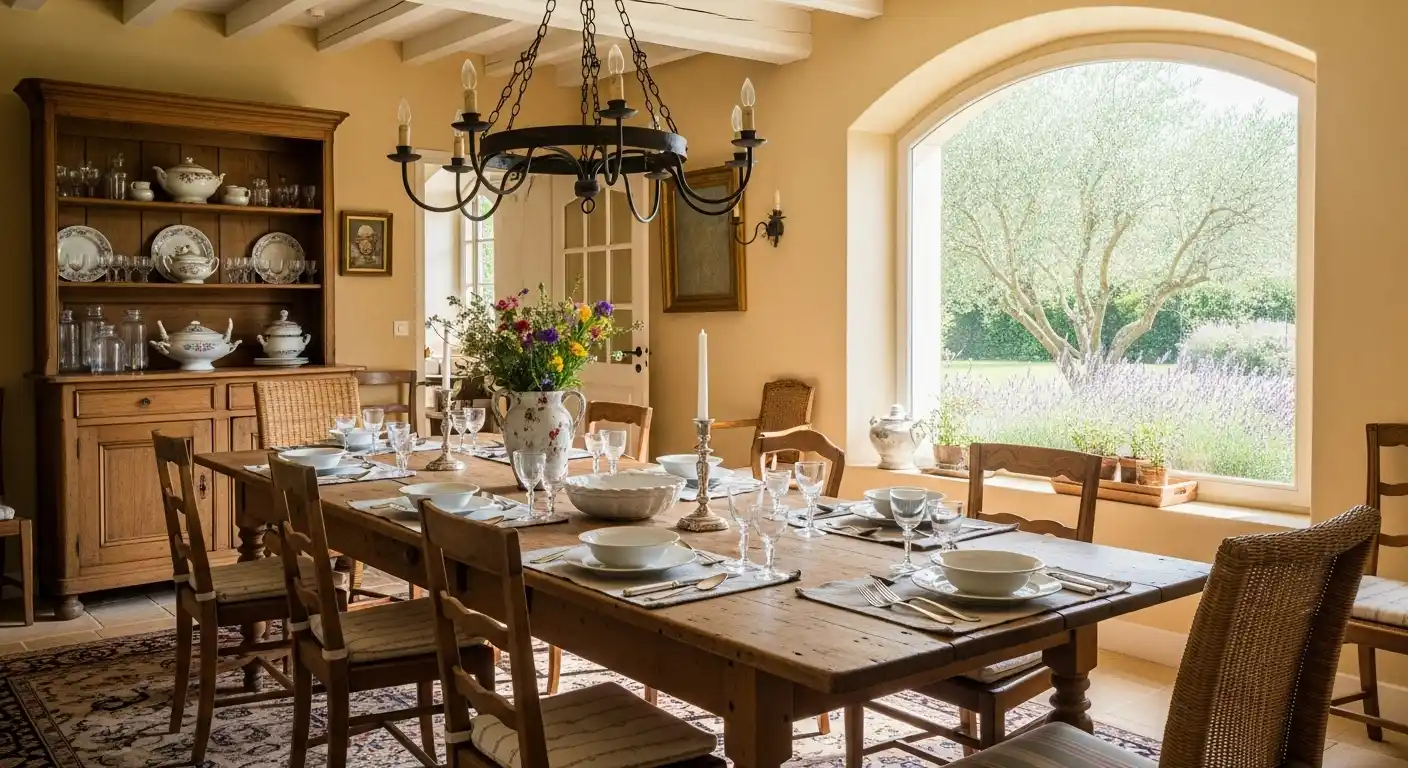
Farmhouse dining rooms are known for their welcoming atmosphere, natural materials, and timeless character. This style works particularly well in large homes because it combines substantial furniture with comfortable seating and decorative details.
A rustic wooden table is an ideal starting point. Choose a finish that highlights the wood grain and pair it with upholstered chairs, classic ladder-back seating, or a combination of chair styles.
A farmhouse dining room does not need to look old-fashioned. Introduce modern touches through a streamlined chandelier, simple artwork, or contemporary table accessories.
Soft white walls, warm beige tones, and natural wood finishes help the room feel bright and inviting. For additional texture, consider linen curtains, woven baskets, or a vintage-inspired rug.
Decorative accents should support the overall atmosphere rather than create clutter. A bowl of seasonal fruit, a vase of flowers, or a simple centerpiece can make the dining table feel ready for everyday family life.
Design tip: Combine a rustic wood table with modern black lighting and neutral upholstered chairs to create a farmhouse look that feels fresh rather than overly themed.
6. Use a Round Dining Table for a Softer Layout
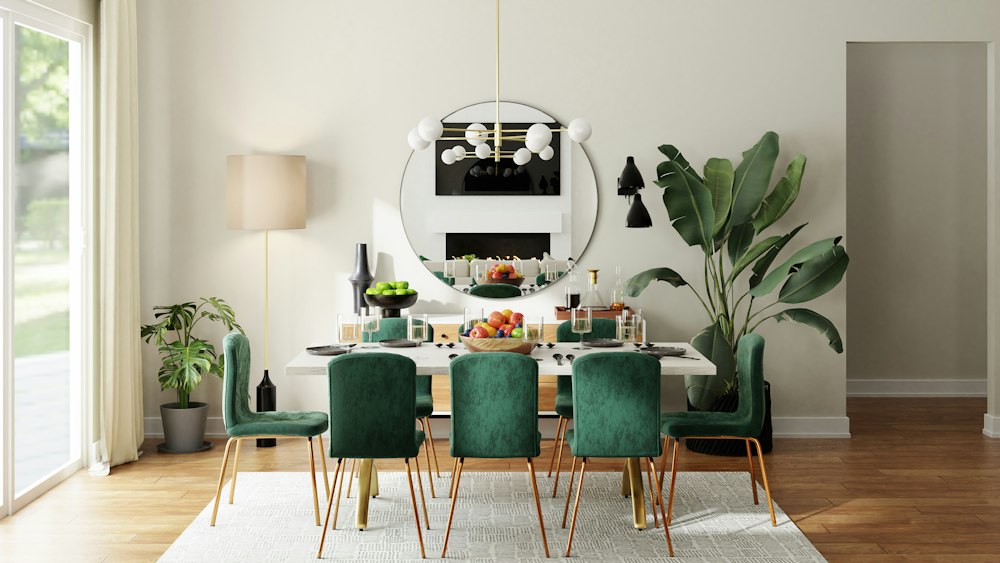
Although rectangular tables are a popular choice for large dining rooms, a round table can create a more intimate and conversational atmosphere.
Its curved shape encourages people to face one another and can soften a room filled with straight architectural lines. A substantial round table works especially well in square dining rooms or in spaces where you want the furniture arrangement to feel less formal.
Choose a table diameter that suits your household and available floor area. Larger round tables can require more reaching across the surface, so consider whether a lazy Susan or separate serving arrangements would improve practicality.
Pair the table with curved or upholstered chairs to reinforce the softer silhouette. A pendant light or chandelier positioned directly above the table completes the arrangement.
For a more luxurious appearance, explore round tables with pedestal bases, sculptural wooden legs, or stone-look tops.
Design tip: Use a round table to create a dedicated dining zone within an open-plan living and dining area.
7. Introduce Elegant Wall Paneling
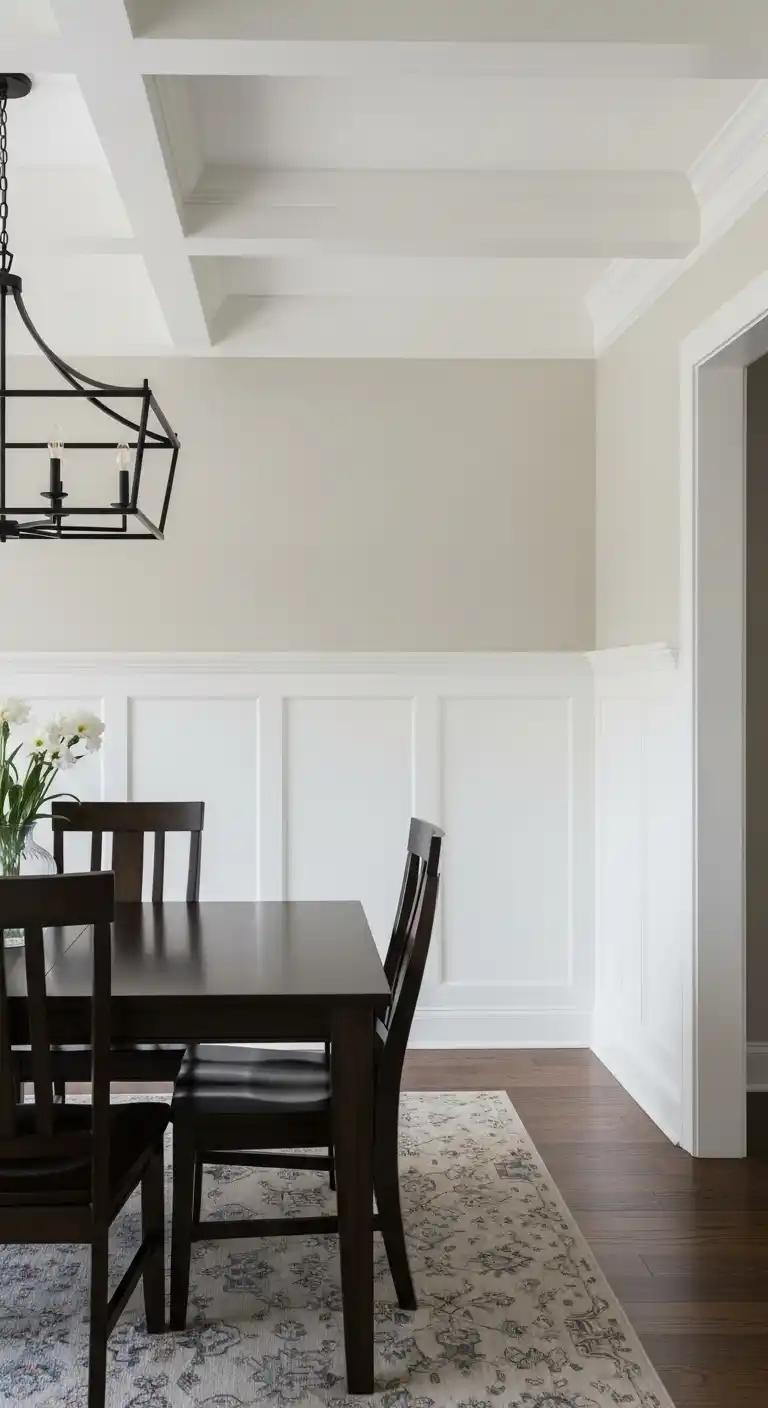
Wall paneling can give a large dining room architectural character and make expansive walls feel more finished. Depending on the style, it can create anything from classic elegance to modern sophistication.
Traditional raised panels suit formal dining rooms, while simple rectangular molding works well in transitional interiors. Vertical wood slats can introduce a contemporary look and add warmth to a minimalist space.
Color plays an important role. White paneling creates a bright, timeless appearance, while deep green, navy, or warm taupe can make the dining room feel more dramatic.
Consider installing paneling on the wall behind the dining table or on a prominent architectural feature wall. This creates a natural focal point without requiring elaborate decoration throughout the room.
Keep artwork, mirrors, and furniture proportions in mind when planning the design. Paneling should complement the room's scale rather than compete with other statement elements.
Design tip: Paint the paneling and surrounding wall in the same color for a subtle, sophisticated effect.
8. Create a Sophisticated Neutral Dining Room
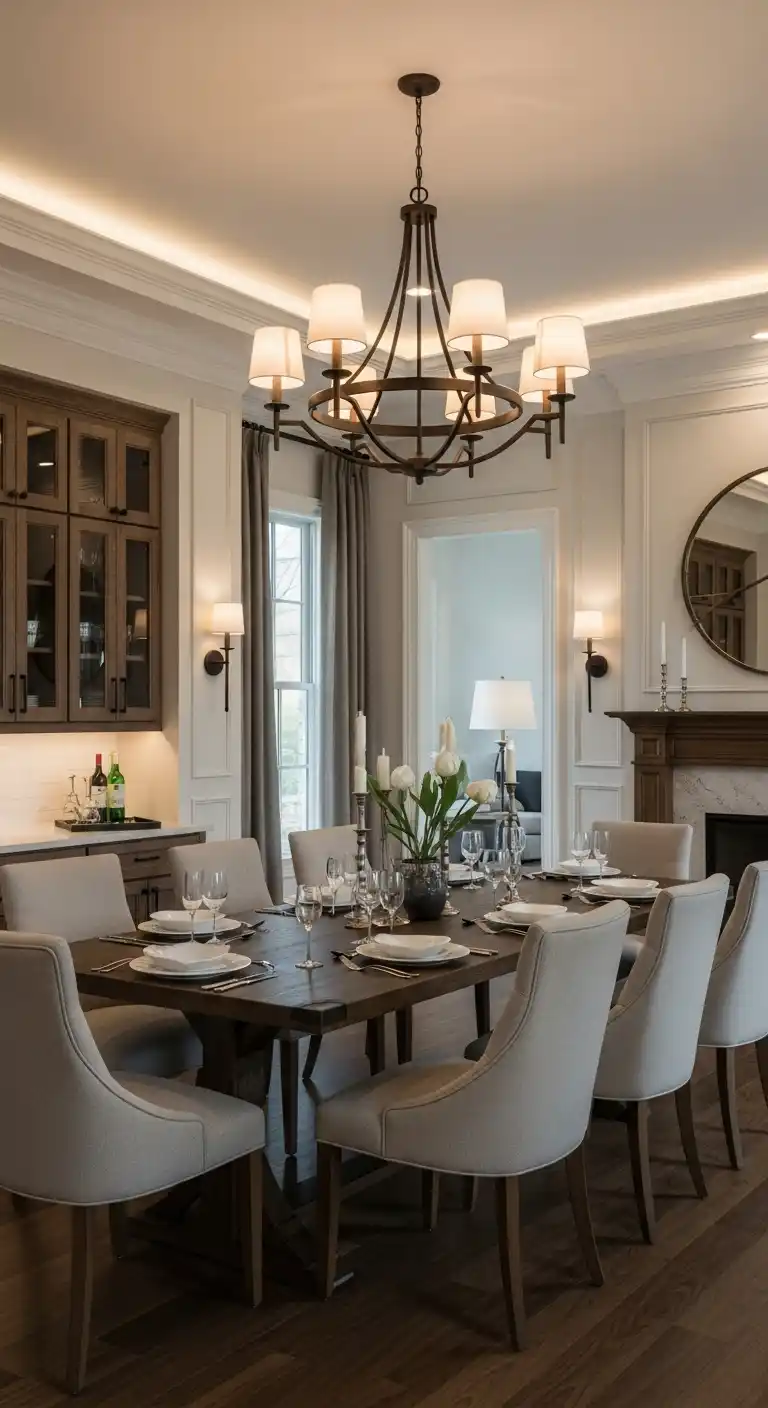
Neutral dining rooms are versatile, elegant, and relatively easy to update over time. Shades of ivory, cream, beige, warm gray, and taupe create a calm foundation that allows furniture and decorative accessories to stand out.
The key to making a neutral room interesting is to incorporate different textures and finishes. Combine a wooden table with upholstered chairs, a woven rug, ceramic accessories, and softly flowing curtains.
A neutral palette does not mean every surface should be identical. Varying the depth of the colors helps the room feel layered and intentional.
For example, warm white walls can complement beige chairs, a medium-brown table, and a light taupe rug. Metallic accents in brass or brushed nickel can introduce a subtle sense of luxury.
Large artwork can provide a focal point without disrupting the calm palette. Choose pieces with organic shapes, understated abstract patterns, or earthy tones.
Design tip: Use at least three complementary textures to prevent a neutral dining room from looking flat or unfinished.
9. Add a Built-In Dining Room Storage Wall
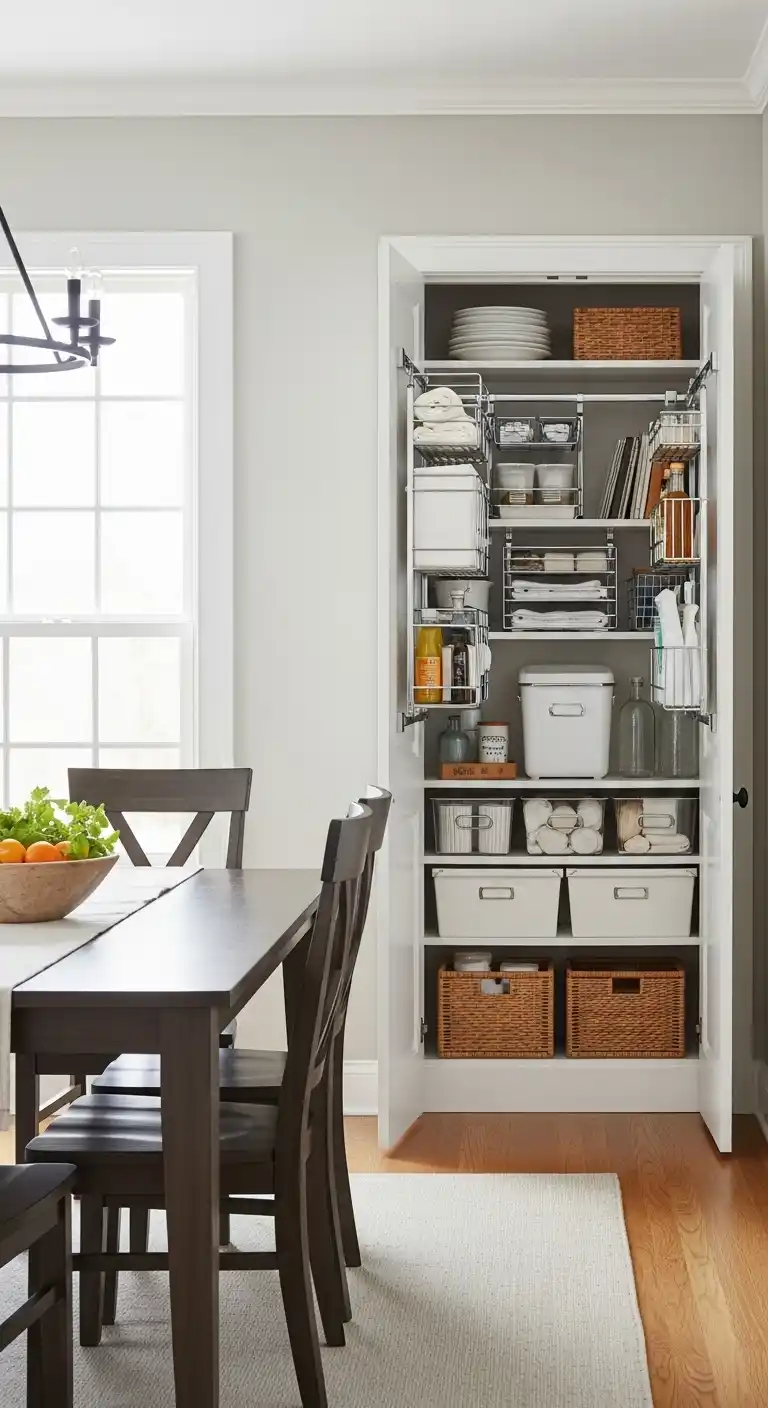
A large dining room often benefits from dedicated storage for dinnerware, serving dishes, glassware, linens, and decorative objects. A built-in storage wall can provide practical organization while making the room feel more architectural.
Depending on the available space, you might incorporate closed cabinets, open shelving, glass-front cupboards, or a combination of all three.
Closed storage keeps everyday clutter out of sight, while open shelves provide an opportunity to display ceramics, cookbooks, vases, and carefully selected decorative pieces.
Choose cabinetry that complements the dining table and surrounding finishes. Natural wood creates warmth, while painted cabinets can blend into the walls for a more streamlined appearance.
Lighting inside glass-front cabinets or beneath shelves can highlight special objects and add atmosphere during evening gatherings.
Make sure cabinet doors and drawers can open without interfering with dining chairs or walkways.
Design tip: Keep frequently used items on accessible shelves and reserve higher cabinets for seasonal serving pieces or less frequently used accessories.
10. Create a Luxurious Dining Room with Velvet Chairs
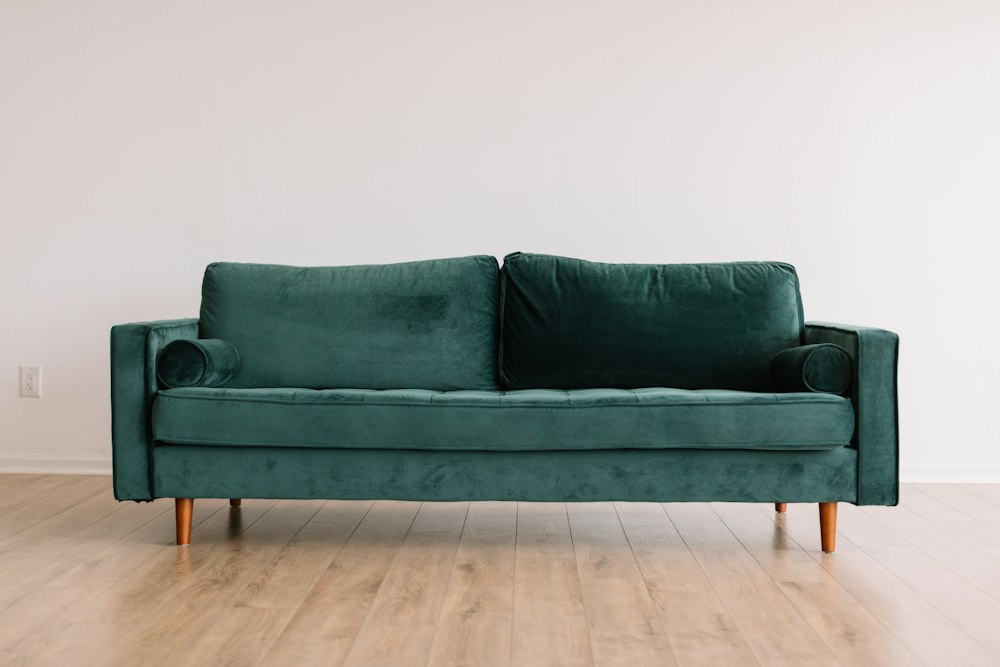
Velvet dining chairs can introduce softness, richness, and a sense of occasion to a large dining room. Their textured upholstery catches light differently from smooth fabrics, creating visual depth even when the color palette is relatively simple.
For a classic luxurious look, choose deep green, navy, burgundy, or warm brown velvet. If you prefer understated elegance, cream, taupe, and muted gray can work beautifully.
The table provides an opportunity to balance the richness of the chairs. A walnut table adds warmth, while a stone-look or glass-topped table can create a lighter contemporary contrast.
Consider the shape of the chairs as well as their fabric. Curved backs and upholstered seats can create a softer appearance, while tailored silhouettes suit more formal spaces.
Velvet requires appropriate care, so check the manufacturer's cleaning instructions before buying. Performance upholstery with a velvet-like finish may be a useful option for busy households.
Design tip: Combine velvet chairs with a simple table and understated accessories so the upholstery remains the star of the room.
11. Design an Open-Plan Dining Area with Clear Zones
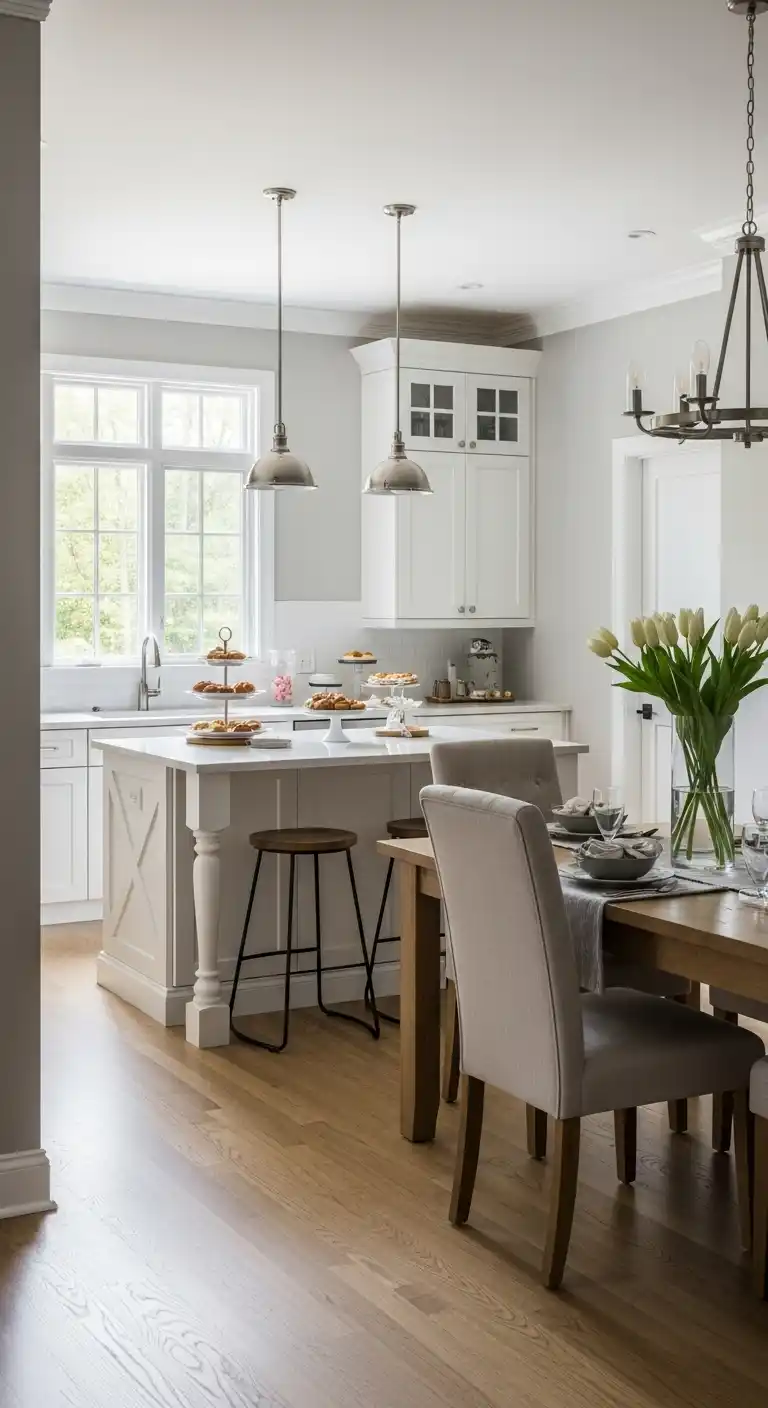
In open-plan homes, a large dining area may share space with the kitchen or living room. The challenge is to make each zone feel distinct without blocking light or interrupting the natural flow of the home.
Start by positioning the dining table where it is convenient for serving food and comfortable for conversation. Use an area rug to define the dining zone and a pendant light to establish a visual center.
Furniture placement can create gentle boundaries. A sideboard behind the dining table, for example, may separate the dining area from the living room without creating a physical barrier.
Coordinate colors and materials across the connected spaces. Repeating wood finishes, metal accents, or upholstery tones helps the overall interior feel unified.
At the same time, each zone can have its own personality. The living area might feature a soft rug and relaxed seating, while the dining space uses a more structured table and statement lighting.
Design tip: Preserve clear walkways between the kitchen, dining table, and living room to make everyday movement easier.
12. Make the Dining Room Feel Grand with High Curtains
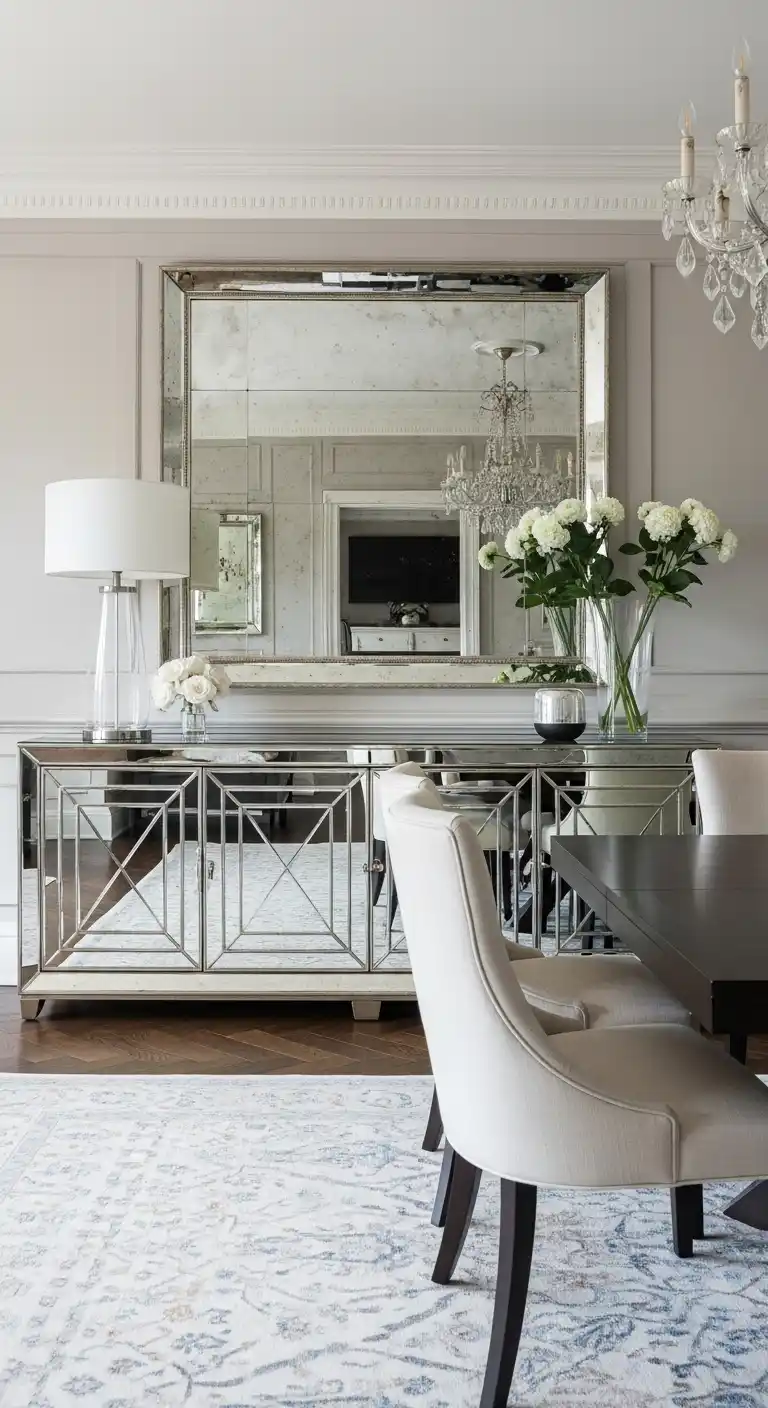
Window treatments can dramatically influence how large a dining room looks and feels. Hanging curtains higher than the window frame can draw the eye upward, emphasizing ceiling height and creating an elegant, finished appearance.
Floor-length curtains made from linen or linen-look fabric work well in relaxed contemporary spaces. Velvet or heavier woven materials can create a richer atmosphere in formal dining rooms.
Choose colors that complement the walls and furniture. Cream curtains provide a soft, timeless look, while deep green or brown can create contrast in a neutral interior.
If the room receives plenty of sunlight, consider lined curtains or adjustable window treatments to help manage glare during daytime meals.
For a layered design, combine sheer curtains with heavier drapes. This arrangement offers flexibility while adding depth to the windows.
Make sure the curtain fabric does not obstruct doors, radiators, or other functional elements.
Design tip: Extend the curtain rod beyond the window frame where possible so the curtains can sit clear of the glass when open.
13. Create a Warm and Inviting Dining Room with Wood
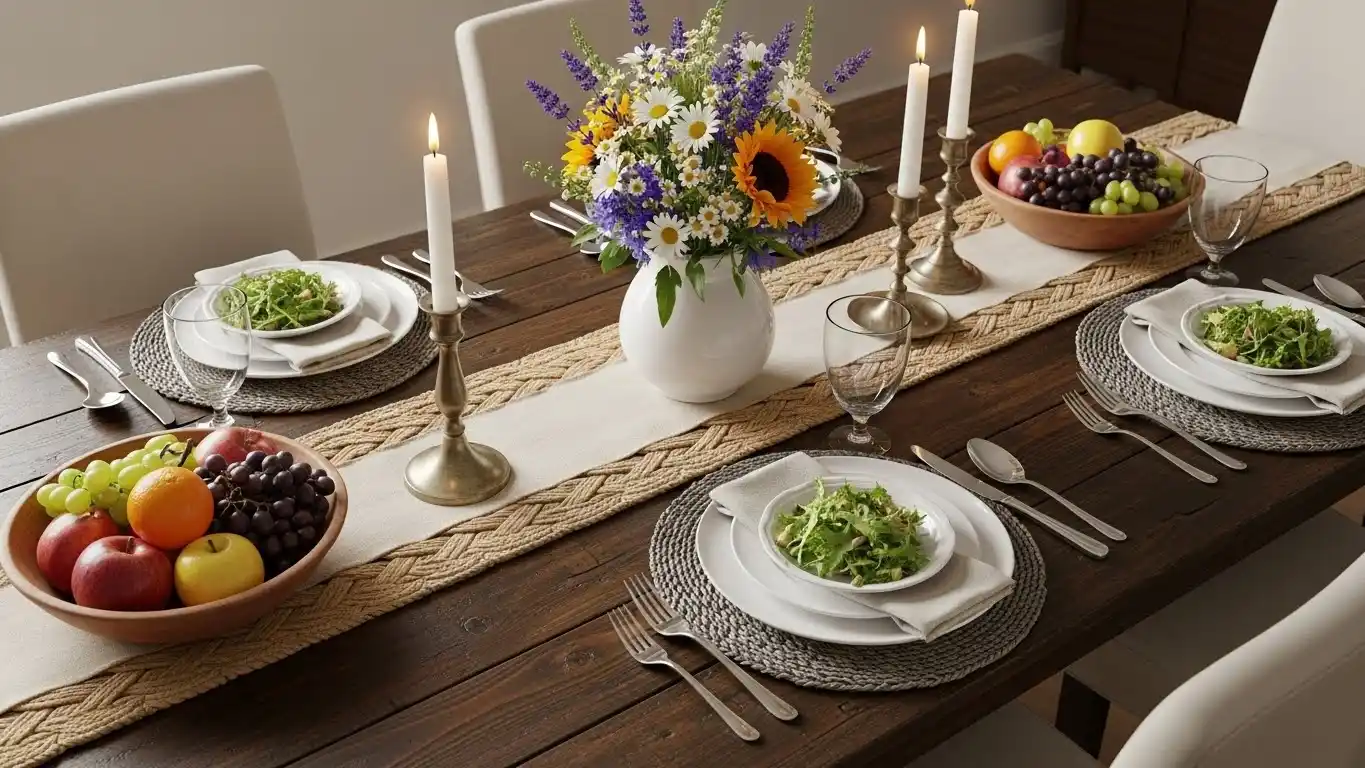
Wood is a timeless material that brings warmth, texture, and natural character to a dining room. It works with farmhouse, modern, traditional, Scandinavian, and organic interior styles.
A large wood dining table can become the foundation of the room. Oak offers a relatively light, versatile appearance, while walnut provides deeper color and a richer visual effect.
You do not need to match every wooden item exactly. Mixing related finishes can create a more collected and natural interior, provided the undertones and overall palette work together.
For example, a medium-toned dining table can be paired with lighter wood flooring, a darker sideboard, and neutral upholstered chairs.
Natural materials can be repeated through smaller details such as wooden bowls, framed artwork, woven baskets, or decorative trays.
Design tip: Balance the visual weight of a substantial wood table with light-colored walls, soft textiles, and well-placed lighting.
14. Add an Accent Wall Behind the Dining Table
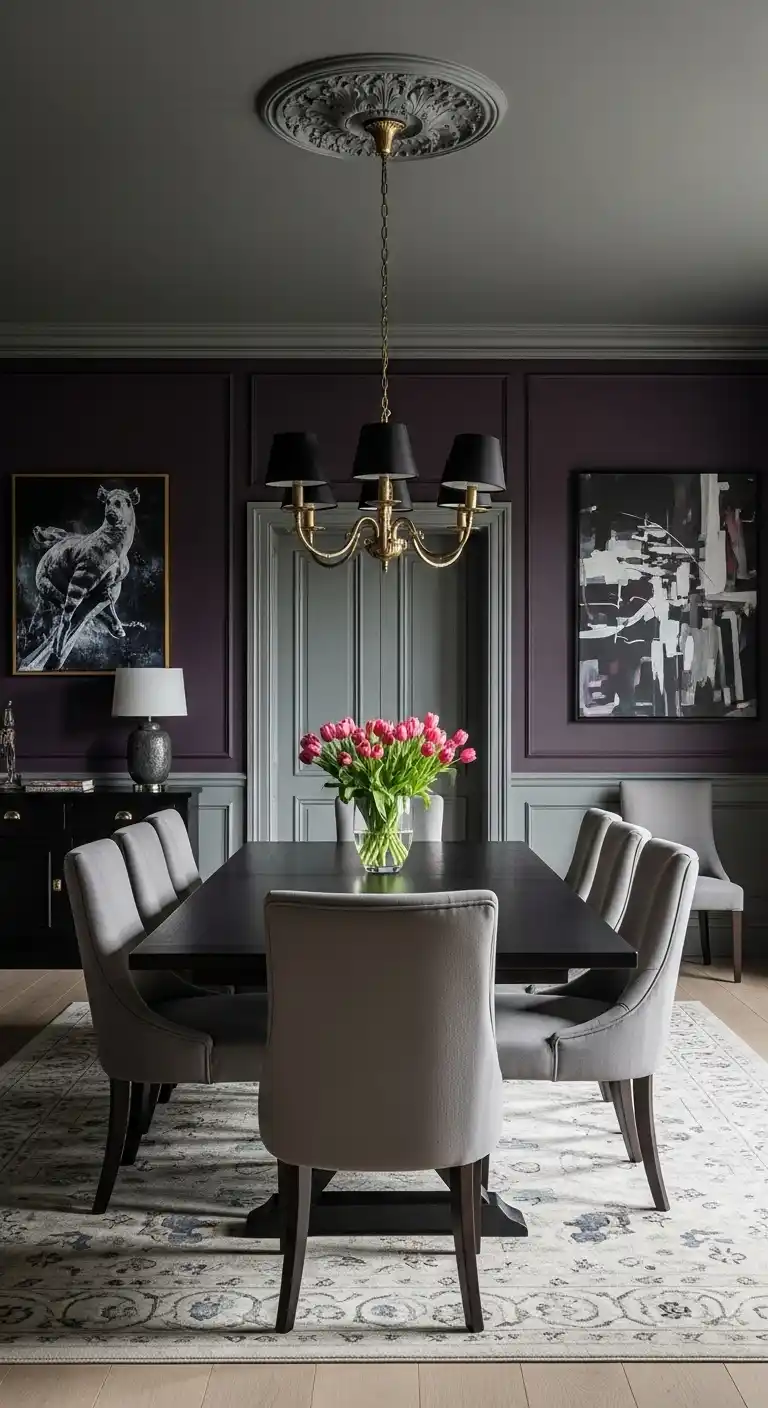
An accent wall is an effective way to create a focal point without changing the entire dining room. It can add color, pattern, texture, or architectural interest to the area where people naturally gather.
Paint is one of the simplest options. Deep green, muted blue, warm terracotta, or chocolate brown can create contrast against lighter surrounding walls.
Wallpaper provides another opportunity to introduce botanical prints, subtle geometric patterns, or elegant textured designs.
For a more architectural effect, consider wood paneling, decorative molding, or a carefully designed wall treatment.
The wall behind the dining table is often a good location because it remains visible from multiple viewpoints. However, ensure that the finish complements the chandelier, table, and any artwork or mirrors.
If the room already has dramatic furniture, keep the accent wall relatively restrained. In a simpler room, a more expressive treatment may provide welcome personality.
Design tip: Repeat one color from the accent wall in a few cushions, flowers, or decorative accessories to create visual cohesion.
15. Build a Beautiful Dining Room Gallery Wall
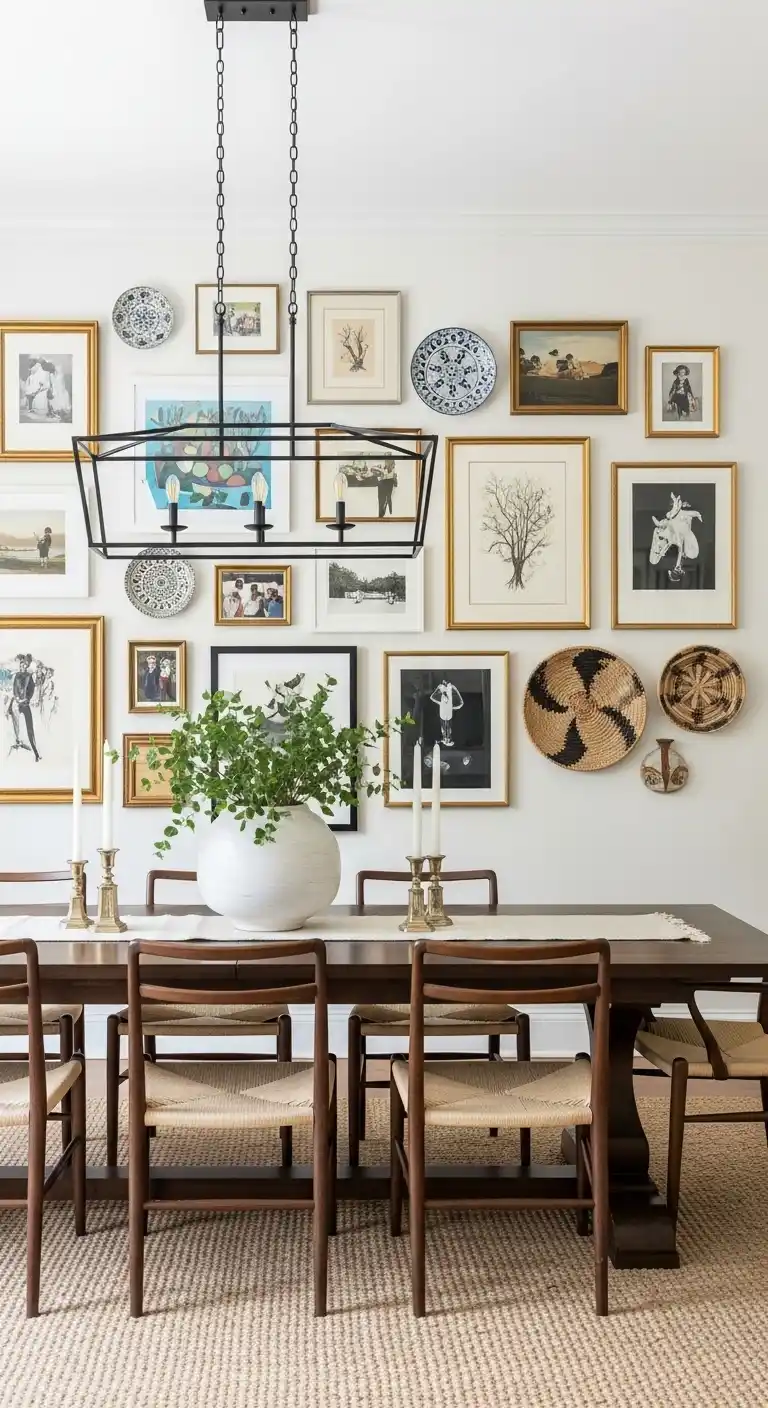
A gallery wall can make a large dining room feel personal and thoughtfully decorated. It provides a way to display artwork, family photographs, prints, or meaningful objects while filling an otherwise empty wall.
Before hanging anything, plan the arrangement on the floor. Try a symmetrical grid for a formal look or a more relaxed arrangement for an eclectic interior.
Frames do not all need to be identical, but a consistent color palette or repeating finish helps the display feel connected.
Consider the scale of the wall. A few small pictures may look lost in a very large room, so choose artwork and frames that are proportionate to the available space.
The content should also suit the room's atmosphere. Abstract art, botanical prints, landscape photography, and family photographs can all work beautifully.
Avoid placing delicate or valuable artwork where it could be damaged by food, moisture, or frequent handling.
Design tip: Keep the center of the overall arrangement at a comfortable viewing height and use painter's tape to test the layout before making holes in the wall.
16. Create a Cozy Dining Nook with a Bench
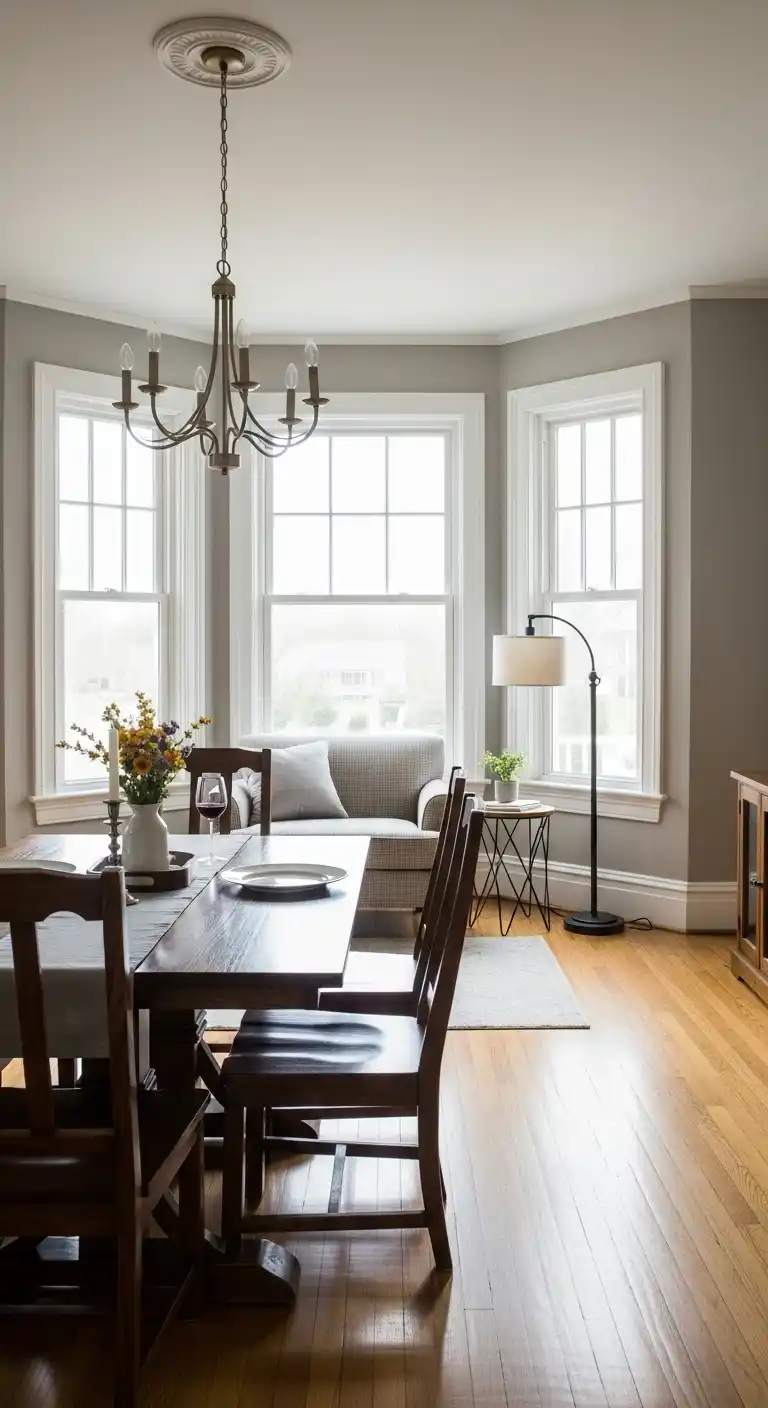
Even a large dining room can benefit from a cozy seating arrangement. A dining bench offers a relaxed alternative to using individual chairs on every side of the table.
A long upholstered bench can make family meals feel informal and comfortable, while a solid wood bench reinforces a rustic or Scandinavian aesthetic.
Benches can also help accommodate different seating arrangements. Depending on their design, they may allow more people to sit along one side of the table than individual chairs would.
For additional comfort, consider an upholstered seat or removable cushions. Choose fabrics that are easy to maintain, especially if children regularly use the dining area.
If the bench sits against a wall, add artwork, paneling, or a subtle wall color to make the seating area feel intentional.
Design tip: Check the height of the bench against the table and ensure there is enough clearance for people to sit down and stand up comfortably.
17. Style the Dining Table with a Seasonal Centerpiece
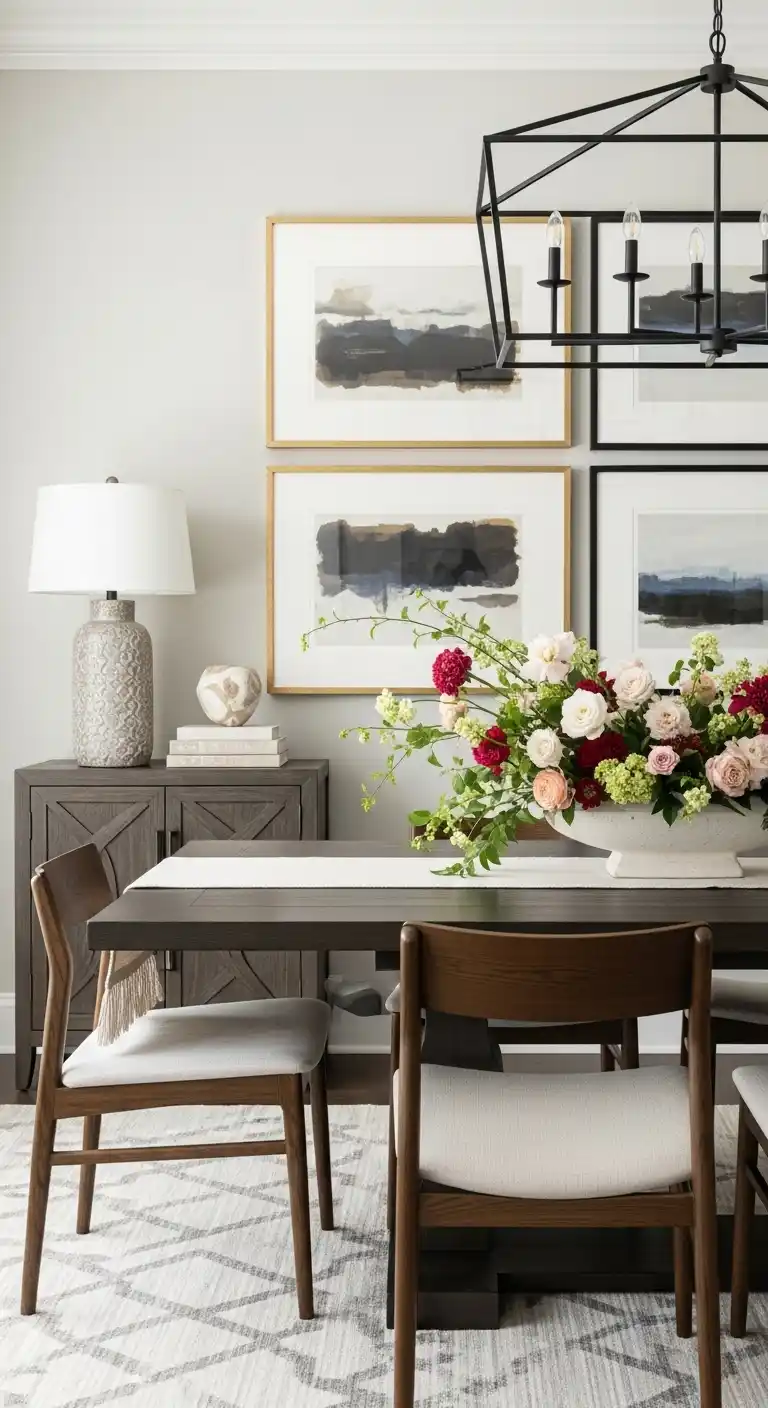
A centerpiece adds personality to the dining table and provides an easy way to refresh the room throughout the year.
For everyday styling, a ceramic vase with fresh flowers, leafy branches, or dried stems can create a simple focal point. A low arrangement is often preferable because it allows people to see one another across the table.
During autumn, consider warm-toned foliage, natural wood accessories, or a bowl of seasonal produce. In spring, fresh flowers and lighter textiles can create a brighter atmosphere.
For holiday gatherings, candles, greenery, and coordinated table linens can make the dining room feel special without requiring a complete redesign.
The size of the centerpiece should suit the table. A long rectangular table may benefit from a linear arrangement, while a round table often works well with a single central feature.
Avoid using decorations that take up so much space that guests struggle to place serving dishes or plates.
Design tip: Keep a versatile everyday centerpiece and add a few seasonal elements when you want to change the mood of the room.
18. Introduce Modern Black Accents
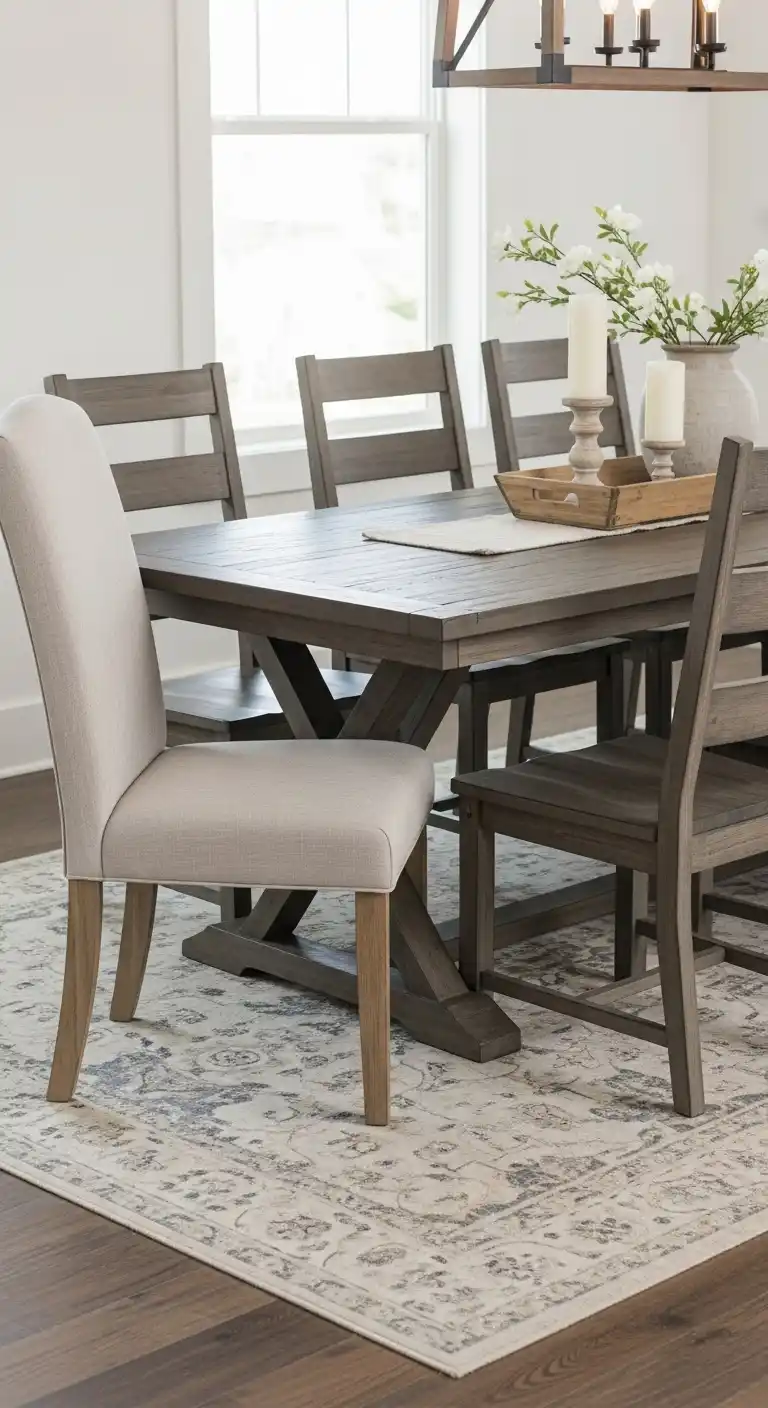
Black accents can give a large dining room structure and contrast. When used thoughtfully, they create a sophisticated appearance without making the room feel too dark.
Consider black dining chairs, a dark chandelier, slim metal table legs, window frames, or framed artwork.
In a light-colored room, black details help define the furniture and create a crisp visual contrast. In a darker interior, they can reinforce a dramatic and contemporary aesthetic.
The key is to distribute the color carefully. Repeating black in a few locations creates a more balanced result than concentrating every dark element in one corner.
Combine black metal with warm wood, creamy upholstery, or natural stone-look surfaces to prevent the design from feeling harsh.
Design tip: If you are unsure about committing to black furniture, start with lighting fixtures, picture frames, or smaller accessories.
19. Design a Formal Dining Room with Timeless Elegance
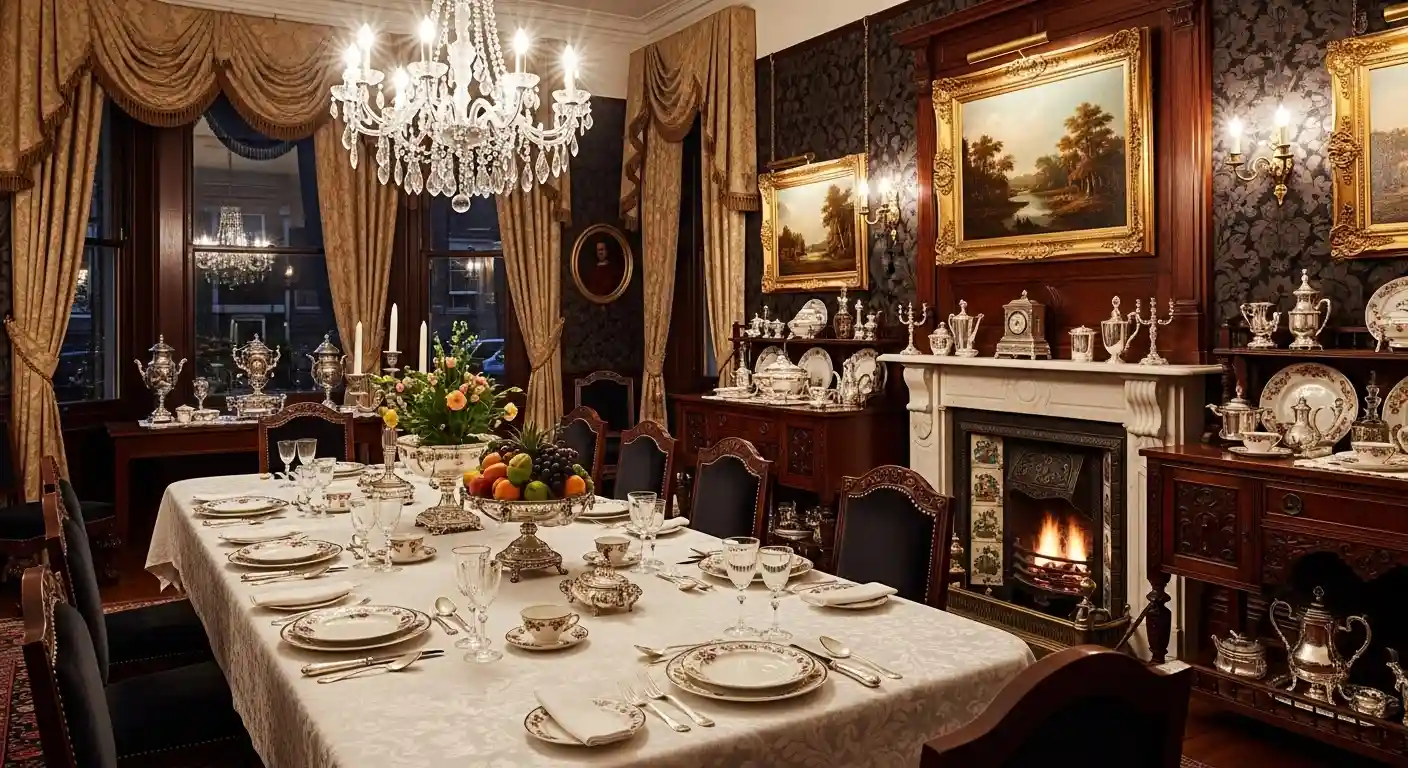
A formal dining room is ideal for special occasions, holiday dinners, and gatherings where you want the setting to feel particularly refined.
Start with a substantial dining table, comfortable upholstered chairs, and a carefully chosen chandelier. Traditional architectural details, elegant curtains, and framed artwork can help establish a sense of occasion.
The color palette might include cream, warm gray, navy, forest green, or rich wood tones. Metallic accents can introduce additional depth when used in moderation.
A sideboard or buffet provides a practical place for serving dishes, glassware, and table linens. It also creates an opportunity to display artwork, lamps, or a decorative mirror.
Although formal dining rooms can be visually impressive, they should still feel comfortable. Choose supportive chairs and ensure that the lighting is suitable for long meals.
You can soften the formality with fresh flowers, textured fabrics, and natural materials.
Design tip: Combine traditional furniture with one or two contemporary elements to keep the room elegant without making it feel dated.
20. Add a Multi-Functional Dining Room for Modern Living
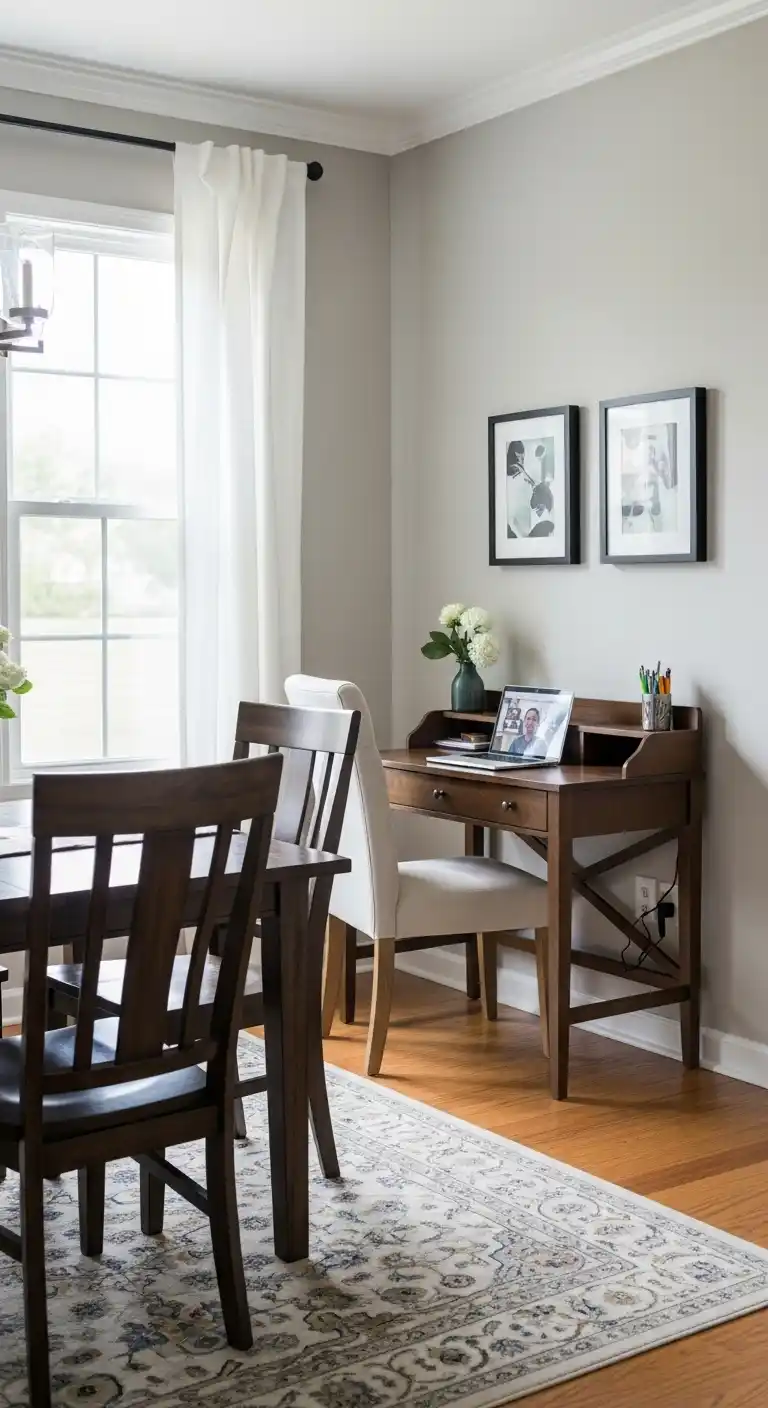
A large dining room does not have to serve only one purpose. With thoughtful planning, it can accommodate family meals, entertaining, creative projects, homework, and occasional remote work.
Choose a table that suits both dining and other activities. A durable surface and comfortable chairs can make the space more versatile.
A sideboard with concealed storage can keep office supplies, games, craft materials, and table linens organized. If the room has sufficient space, a small reading chair or compact cabinet may provide additional functionality.
Lighting is especially important in a multi-functional room. A central pendant creates atmosphere for meals, while task lighting can improve visibility for reading, writing, or detailed activities.
Keep everyday essentials accessible without allowing them to dominate the decor. Baskets, drawers, and closed cabinets help maintain a tidy appearance.
If you frequently host guests, choose furniture that can be rearranged easily and leave enough room for additional chairs.
Design tip: Use attractive storage and flexible furniture to make the dining room useful throughout the day while preserving its welcoming appearance.
How to Make a Large Dining Room Feel Balanced
Beautiful furniture and accessories are only part of a successful dining room design. The overall layout determines whether the space feels welcoming or awkward.
Here are five practical ways to bring everything together.
Choose Furniture That Matches the Room's Scale
Large dining rooms can accommodate substantial furniture, but every piece should have a purpose. Measure the dining table, chairs, sideboards, and any additional seating before purchasing.
Leave Enough Space for Movement
Allow comfortable clearance around the dining table so people can pull out chairs and move through the room. The exact amount depends on your layout, chair size, and circulation needs.
Layer Different Types of Lighting
Combine a central dining fixture with ambient lighting and, where useful, wall sconces or lamps. This helps the room feel comfortable throughout the day and evening.
Use Color and Texture to Create Depth
Mix wood, upholstery, ceramics, woven materials, and metal accents. A consistent color palette will help different materials feel connected.
Give Empty Corners a Purpose
A large plant, reading chair, display cabinet, or small console can make an unused corner feel intentional. Avoid adding furniture simply to fill every available space.
Final Thoughts
A large dining room offers an exciting opportunity to combine beauty, comfort, and functionality. Whether you prefer an oversized wooden table, a dramatic chandelier, a sophisticated neutral palette, or a cozy farmhouse design, the right choices can turn your dining area into a welcoming gathering place.
The most successful dining rooms balance statement pieces with practical details. Furniture should suit the room's proportions, lighting should create a comfortable atmosphere, and decorative accessories should reflect your personal style.
You do not need to incorporate all 20 ideas to create a stunning space. Start with one or two elements that inspire you, such as a beautiful chandelier, a textured rug, or a statement dining table, and build the rest of the room around them.
With thoughtful planning, your dining room can become much more than a place to eat. It can be a space where everyday conversations, celebrations, and family traditions feel even more special.
Which of these large dining room ideas would you love to try in your home? Save your favorite inspiration for your next dining room makeover!
Frequently Asked Questions
How do you decorate a large dining room?
Start with a dining table that suits the room's proportions, then add comfortable chairs, statement lighting, and a properly sized rug. Artwork, storage furniture, and decorative accessories can help the space feel complete.
What furniture should be in a large dining room?
Essential pieces typically include a dining table and chairs. Depending on the available space, you might also add a sideboard, buffet, display cabinet, accent chair, or storage wall.
How do you make a large dining room feel cozy?
Use warm lighting, natural wood, textured fabrics, rugs, curtains, and comfortable seating. A cohesive color palette and a thoughtfully arranged centerpiece can make the room feel more inviting.
What is the best color for a large dining room?
There is no single best color. Warm white, beige, taupe, earthy green, muted blue, and deeper shades can all work well. Choose colors that complement your furniture, natural light, and preferred decorating style.
What size rug works best under a dining table?
Choose a rug large enough for the dining chairs to remain on it when pulled away from the table. Measure the table and chairs in their extended position before purchasing.
How can I make a large dining room look luxurious on a budget?
Focus on a few high-impact changes, such as a statement light fixture, coordinated curtains, a large artwork piece, or a well-styled centerpiece. Updating chair cushions and decluttering the room can also make a noticeable difference.
How do I decorate an empty corner in a large dining room?
Consider a tall indoor plant, a small accent chair, a decorative console, or a display cabinet. Select an item that complements the existing furniture and preserves clear walkways.