1. A Statement Floor Plant as a Room's Focal Point
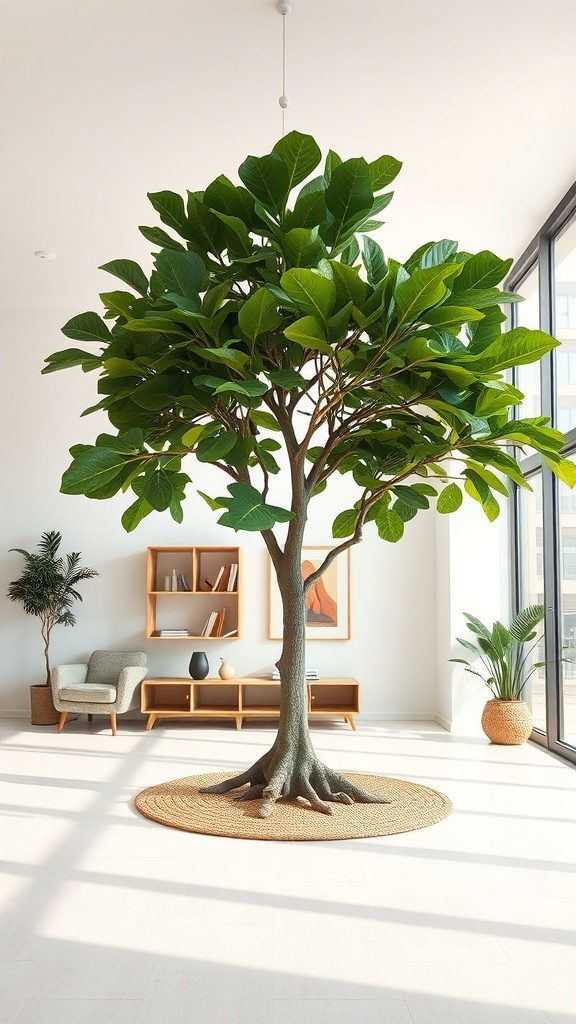
A mature, large-scale floor plant acts as a living architectural sculpture that instantly commands attention and anchors an entire room's layout. Tall statement species like Fiddle Leaf Figs, Bird of Paradise, or Kentia Palms draw the eye upward, celebrating ceiling height while softening empty wall transitions with sculptural, organic greenery.
Styling Tip: Place your statement floor plant in a substantial, high-quality ceramic or fluted stoneware planter that complements your room's color palette. Position it near an east- or south-facing window where it receives bright, indirect sunlight to thrive, and wipe leaves monthly to maintain a glossy, dust-free luster.
2. Hanging Plants for Vertical Greenery Without Floor Space
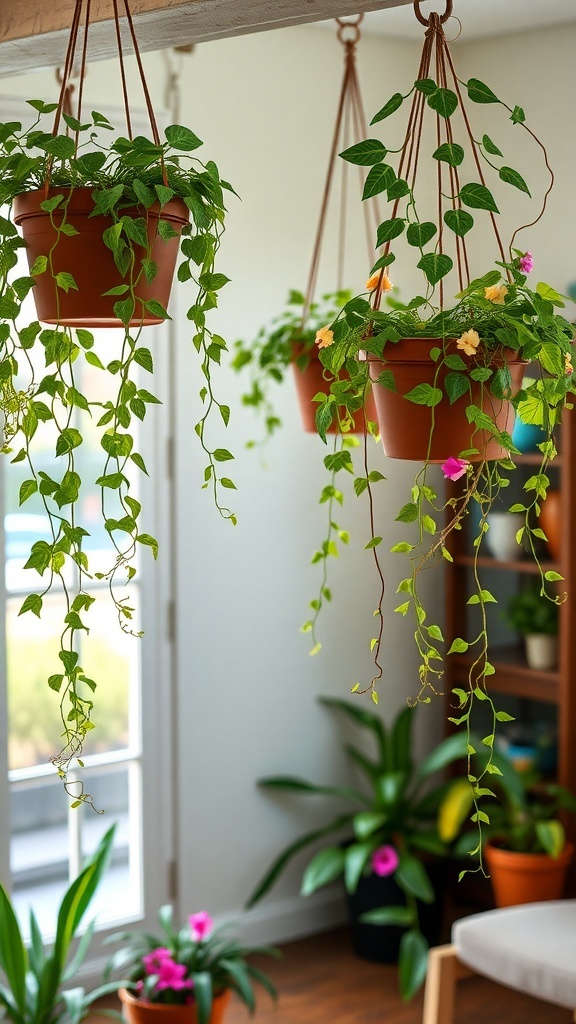
When floor and tabletop space is at a premium, taking your greenery vertical through hanging planters is an ingenious way to introduce lush botanical volume. Suspending trailing varieties from ceiling hooks or curtain brackets draws visual attention upward, transforming dead vertical space into a vibrant hanging canopy that breathes life into tight rooms.
Styling Tip: Group hanging planters in odd numbers (like a cluster of three) and stagger their drop cords at varying lengths (e.g., 18, 24, and 30 inches) to create dynamic vertical rhythm without cluttering walking zones. Use lightweight self-watering pots to make maintenance overhead effortless.
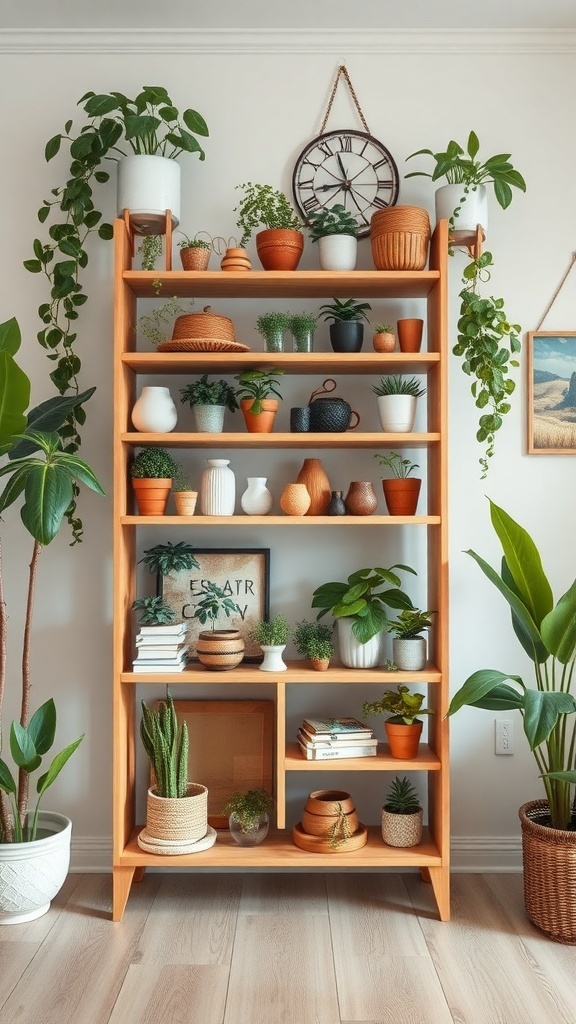
3. A Plant Shelf Styled with Varying Heights and Pot Styles
Dedicate an entire floating shelf or open bookcase tier to a curated plant gallery. Combining upright architectural species with cascading vines and compact leafy varieties creates a layered botanical display that rivals high-end art installations and brings museum-worthy styling to ordinary walls.
Styling Tip: Intermix different planter heights and textures—pairing smooth glazed ceramics with rustic terracotta and textured stoneware—while keeping colors within a cohesive neutral family to let the vibrant green foliage take center stage.
4. Grouping Plants in Odd Numbers for Visual Balance
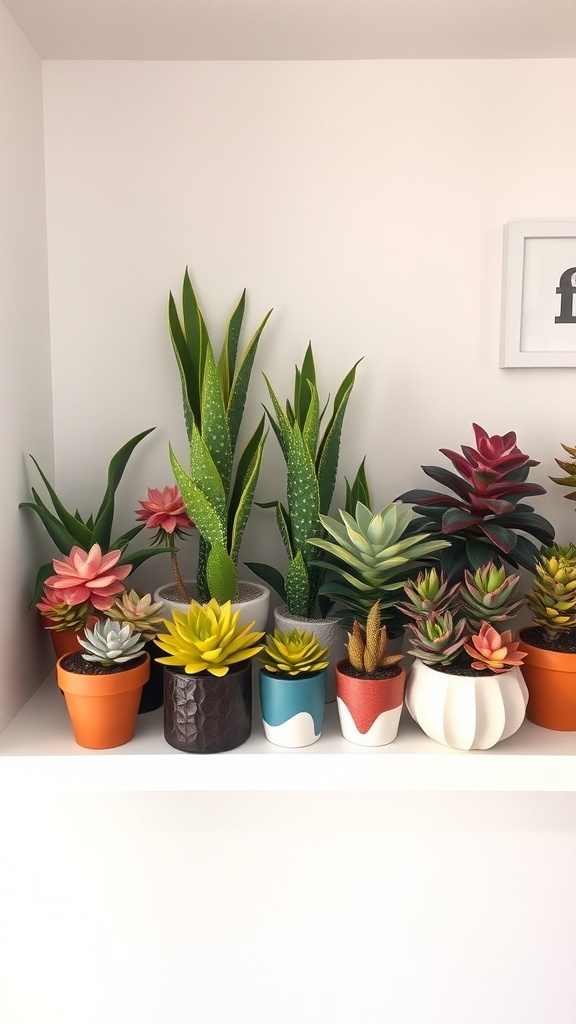
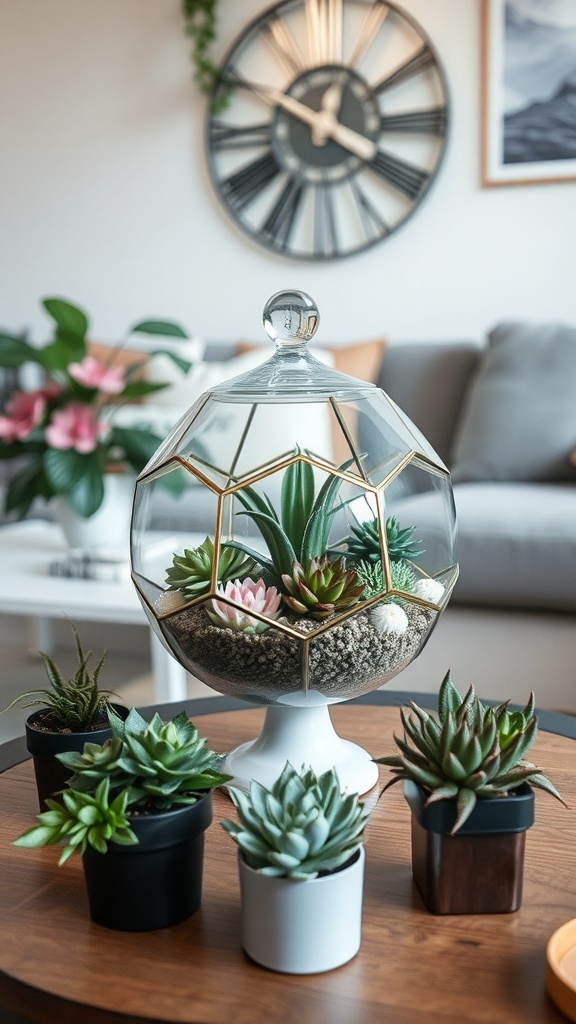
In interior design, the rule of odds dictates that arrangements styled in groups of three or five feel more natural, dynamic, and visually engaging than symmetrical pairs. Grouping houseplants of contrasting heights and leaf silhouettes creates an organic composition that feels effortlessly collected over time.
Styling Tip: Create a classic triangular trio by placing your tallest plant at the back, a medium-height bushier plant next to it, and a low trailing or mounding succulent in front to establish visual depth, balance, and harmony on sideboards and coffee tables.
5. A Trailing Plant Styled on a High Shelf or Bookcase
Placing vigorous trailing vines like Golden Pothos, Heartleaf Philodendron, or English Ivy on high shelving turns functional storage furniture into an organic green waterfall. The cascading vines break up rigid horizontal shelf lines, adding fluid, living movement to book collections and display items.
Styling Tip: As the vines grow, gently guide their tendrils across shelf edges or drape them around bookends using clear adhesive clips to create an intentional, sculpted drape across multiple shelf tiers without tangling.
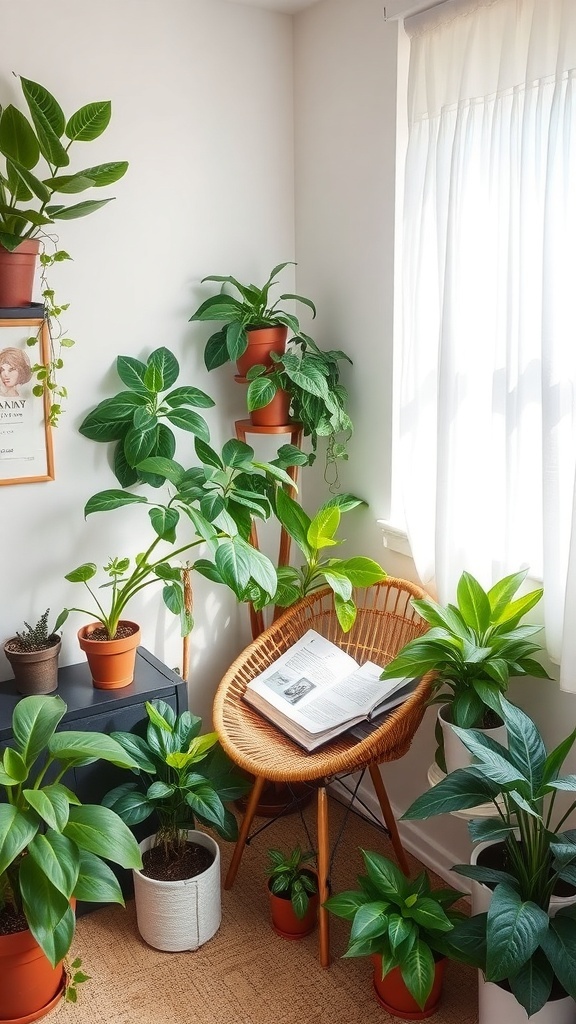
6. Plants Clustered by a Window for a Lush, Sunlit Corner
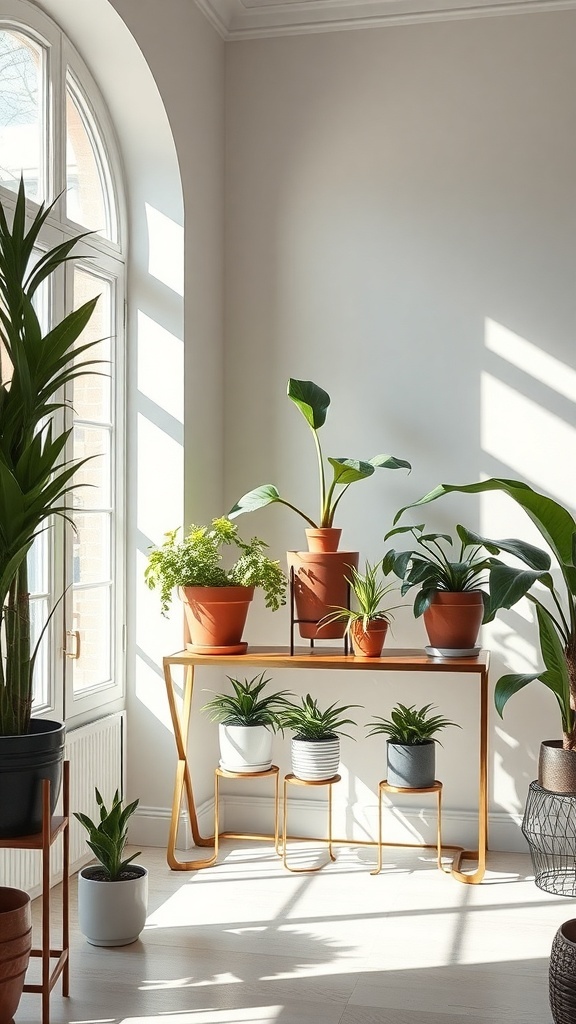
Gathering multiple light-loving plants together near a large window not only creates a breathtaking indoor conservatory vibe, but it also creates a beneficial microclimate where plants share ambient transpiration humidity, helping them thrive with minimal effort and lush leaf growth.
Styling Tip: Layer your plant cluster across three distinct vertical levels: place small potted herbs directly on the windowsill, medium plants on a tiered wood bench, and a large floor palm grounding the base of the arrangement to maximize natural light exposure.
7. Mixing Plant Leaf Shapes and Textures for Visual Interest
A monochromatic green display can risk feeling flat if all your plants share similar leaf shapes. Pairing broad, glossy foliage with fine feathery fronds, velvety calathea leaves, and rigid upright succulent spears creates tactile richness and visual excitement across any surface.
Styling Tip: Contrast broad, dramatic leaves (like Monstera or Rubber Tree) with delicate, airy textures (like Maidenhair Fern or Asparagus Fern) to make each plant's unique biological silhouette pop distinctly in your room vignette.
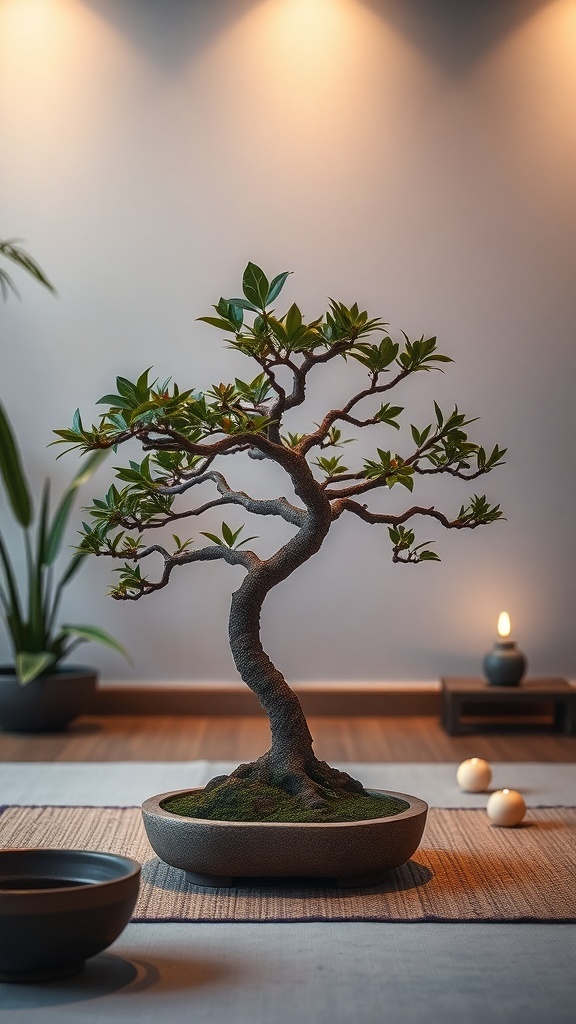
8. A Plant Stand to Add Height and Display Variety
Medium-sized plants often look awkward sitting directly on the floor or crowded on tabletops. Elevating them on a mid-century wooden plant stand or minimalist metal pedestal brings them up to eye level, giving them sculptural presence while freeing up floor footprint.
Styling Tip: Choose plant stands with slender legs and elevated clearance underneath to maintain an open, uncluttered sightline across your room's baseboards, making compact rooms feel larger, cleaner, and brighter.
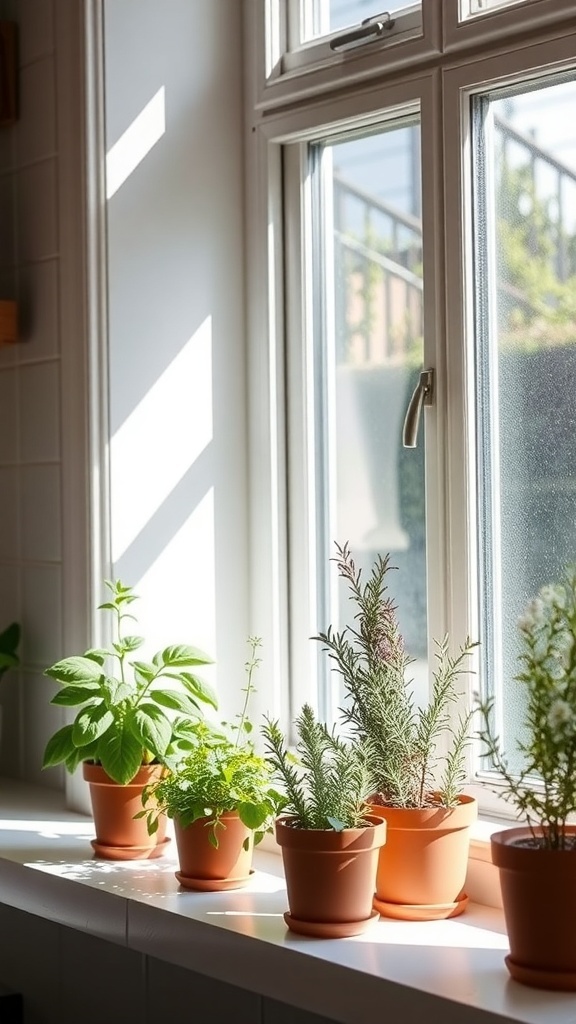
9. Small Potted Plants Layered Along a Windowsill
A deep windowsill is a prime real estate zone for indoor gardening. Lining a sill with a rhythmic sequence of small potted succulents, cacti, or fresh culinary herbs adds a fresh, cheerful border that connects indoor living spaces directly with the outdoor world.
Styling Tip: Use identical or tonal pots (such as matching miniature aged terracotta pots or matte white ceramic cups) to establish a clean, orderly rhythm along the window ledge without looking cluttered or disjointed.
10. A Statement Plant in a Decorative, Coordinated Pot
Treat your planters as fine home decor accessories rather than plain utility containers. Pairing a striking botanical specimen with a designer ceramic, fluted pedestal, or hand-carved terracotta vessel creates a bespoke art object that reinforces your room's aesthetic.
Styling Tip: Coordinate the planter's material with your existing room finishes—pair brass-footed pots with gold light fixtures, or raw stone planters with limestone fireplace surrounds—to seamlessly integrate greenery into your design scheme.
11. Plants Used to Soften Hard Architectural Lines
Modern architecture and minimalist cabinetry often feature sharp angles, hard drywall corners, and boxy silhouettes. Placing soft, cascading foliage over sharp shelving edges or beside rectangular TV consoles naturally blurs hard lines, introducing comforting organic warmth.
Styling Tip: Position trailing plants on the upper corners of media units, bookcases, or exposed structural columns so the soft leaves drape organically over the rigid 90-degree corners, creating a relaxed, lived-in feel.
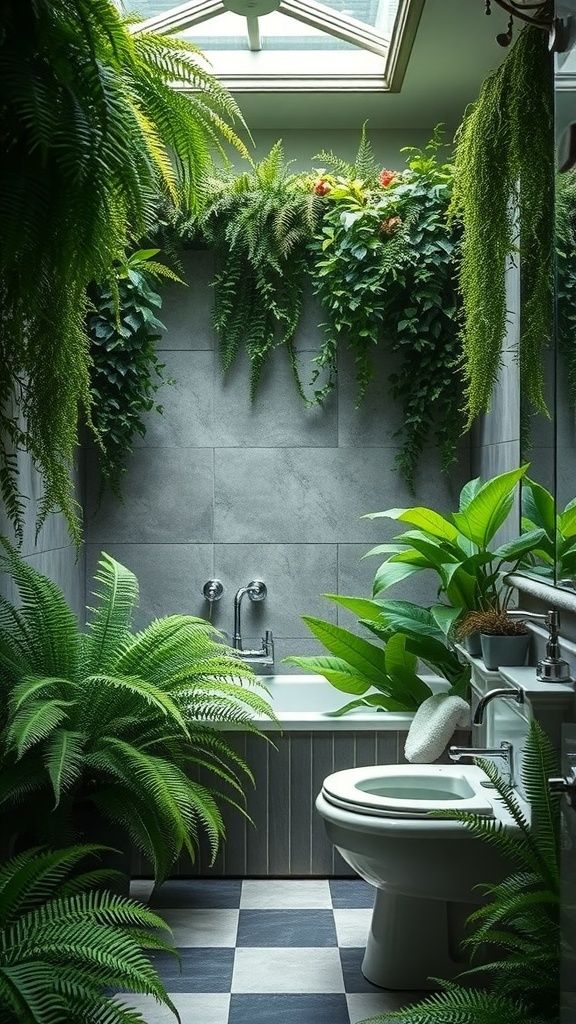
12. A Mini Indoor Garden Corner with Multiple Plant Types
Convert an unused corner of your bedroom or living room into a dedicated mini indoor garden oasis. Combining a two-tier plant bench, a floor tree, and hanging baskets transforms a bare corner into an immersive botanical escape that improves room air quality and mood.
Styling Tip: Incorporate a discreet ultrasonic plant humidifier or decorative water mister in your plant corner; it creates an ethereal spa-like ambiance while keeping tropical leaves lush, vibrant, and free of dry brown edges.

13. Plants Paired with Natural Materials (Wood, Rattan, Stone)
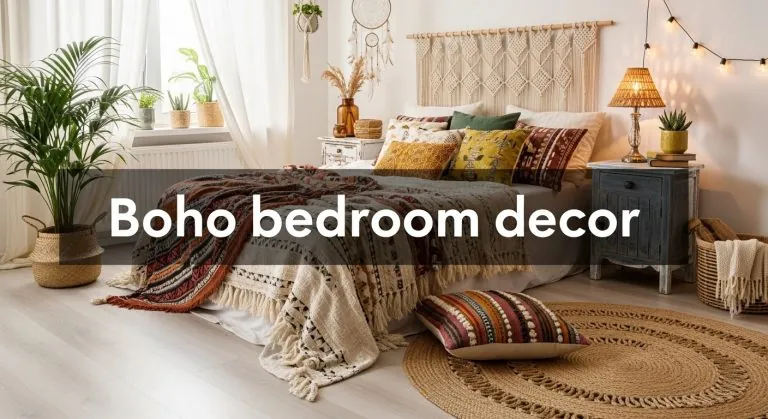
Green foliage looks at its absolute best when accompanied by authentic organic textures. Pairing your plants with natural wood grains, woven rattan baskets, jute rugs, and raw travertine stone creates a deeply soothing biophilic atmosphere that celebrates the natural world.
Styling Tip: Slide plain plastic nursery pots directly inside hand-woven seagrass belly baskets or jute planters for an effortless, budget-friendly bohemian look that adds rich tactile warmth to any room without messy repotting.

14. A Single Oversized Plant to Fill an Empty Corner
Empty bedroom or living room corners often become awkward dead zones that feel unfinished. Instead of forcing bulky accent furniture into the space, placing a single expansive, wide-canopy plant like a Monstera Deliciosa or Split-Leaf Philodendron fills the void with vibrant life.
Styling Tip: Use an uplight spotlight placed on the floor behind the plant aimed toward the ceiling to cast dramatic, sculptural leaf shadows across the walls and ceiling during the evening, adding theatrical ambiance.

15. Plants Displayed on a Rolling Cart for Flexible Placement
A three-tier metal utility cart or bar cart makes an exceptional mobile plant stand. It allows you to house a dozen small and medium plants in a compact footprint and roll them effortlessly to different windows throughout the day to catch optimal sunlight.
Styling Tip: Dedicate the top tier to sun-loving succulents, the middle tier to trailing vines that can drape over the sides, and the bottom shelf to stylish watering cans, pruning shears, and misters for an organized mobile garden station.

16. Trailing Plants Draped Along Open Shelving
Open shelving in kitchens, bathrooms, or home offices can sometimes feel static or overly utilitarian. Weaving trailing vines along the shelf edges breaks up rows of plates, glassware, or books with fresh, lively greenery that weaves different decor elements together.
Styling Tip: Choose trailing varieties with variegated leaves (like Golden Pothos or String of Hearts) to add subtle color variations that complement white crockery or natural wood shelving beautifully across open wall arrangements.

17. A Plant Grouping to Define a Reading Nook
Use strategically placed plants as natural architectural dividers to demarcate cozy functional zones within open-concept rooms. Enclosing an armchair with a tall floor palm and a small side-table plant creates an intimate, protected reading cocoon that feels peaceful and private.
Styling Tip: Keep fragrant or air-purifying plants (like Peace Lily or Sansevieria) close to your reading chair to enhance air freshness and sensory relaxation while you read your favorite books in total calm.

18. Plants in Varied Pot Materials (Ceramic, Woven, Terracotta) for Texture
Creating an artful botanical display requires mixing varied container materials to add depth and tactile intrigue. Combining matte terracotta, polished ceramic glaze, raw concrete, and woven basket fibers creates an eclectic, designer-curated aesthetic.
Styling Tip: Maintain unity across different planter materials by keeping one unifying factor constant—such as sticking to earthy neutral tones like sand, charcoal, terracotta, and cream to ensure an intentional, curated display.

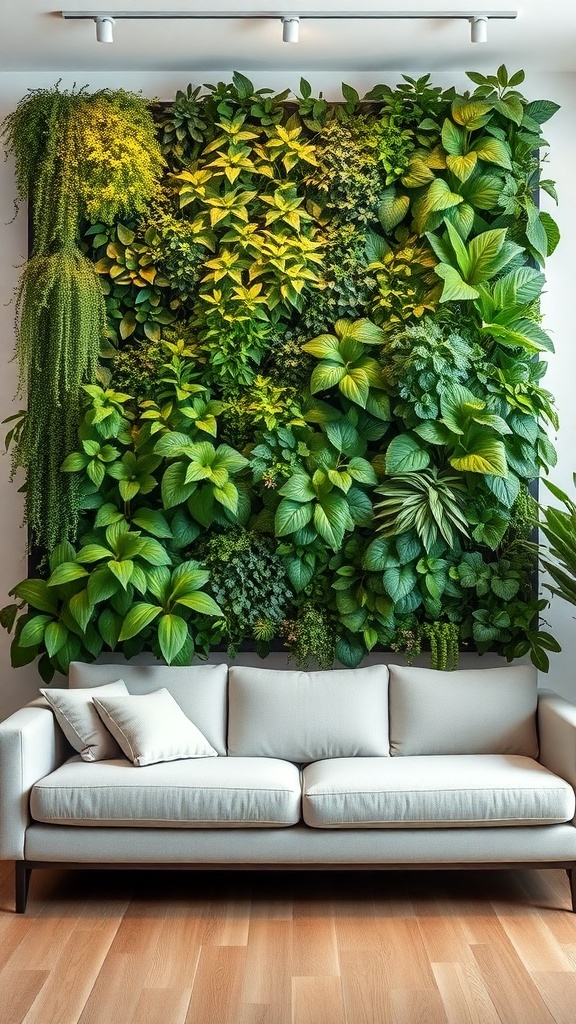
19. A Plant Wall or Vertical Garden for a Lush Accent
For the ultimate biophilic design statement, install a modular vertical living wall system or a wall-mounted pocket planter grid. A living plant wall transforms an ordinary accent wall into an emerald green botanical tapestry that improves indoor air quality and acoustics.
Styling Tip: Choose resilient, moisture-loving varieties like Philodendron, Ferns, and Epipremnum that thrive in vertical pockets, and install a concealed drip irrigation tray at the bottom for mess-free watering and maintenance.
20. Seasonal Plant Rotations to Keep the Display Fresh
Keep your home decor dynamic and connected to the changing seasons by rotating seasonal flowering plants alongside your permanent greenery. Bringing in flowering cyclamen or amaryllis in winter, and blooming orchids, jasmine, or pastel spring bulbs in spring keeps your rooms feeling fresh and alive.
Styling Tip: Place seasonal flowering plants in prominent high-traffic areas—like the entryway console or dining table centerpiece—where their vibrant seasonal blossoms can be appreciated daily by family and guests alike.