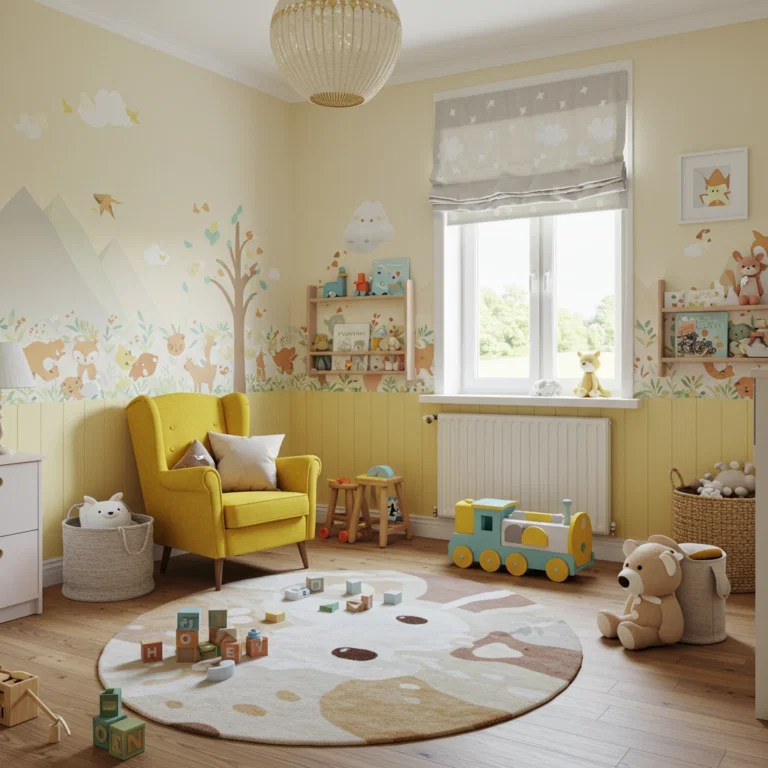
Transitioning from a quiet infant nursery into a full-fledged toddler bedroom is one of the most exciting parenting milestones, yet it also presents unique design challenges. An active, curious toddler experiences his bedroom not merely as a place to sleep, but as his private playground, creative laboratory, and haven of emerging independence. The ideal toddler room must effortlessly balance cute, charming aesthetics with real-world practicality—offering durable materials that withstand daily rough-and-tumble play, child-scaled storage that encourages clean-up autonomy, and comfortable resting zones that soothe restless energy. In this guide, explore 15 thoughtfully curated toddler boy room ideas that harmonize playful visual charm, safety-conscious details, and functional longevity to grow seamlessly alongside your child.
Transition Milestone
1. A Toddler Bed Styled as an Exciting 'Big Kid' Milestone
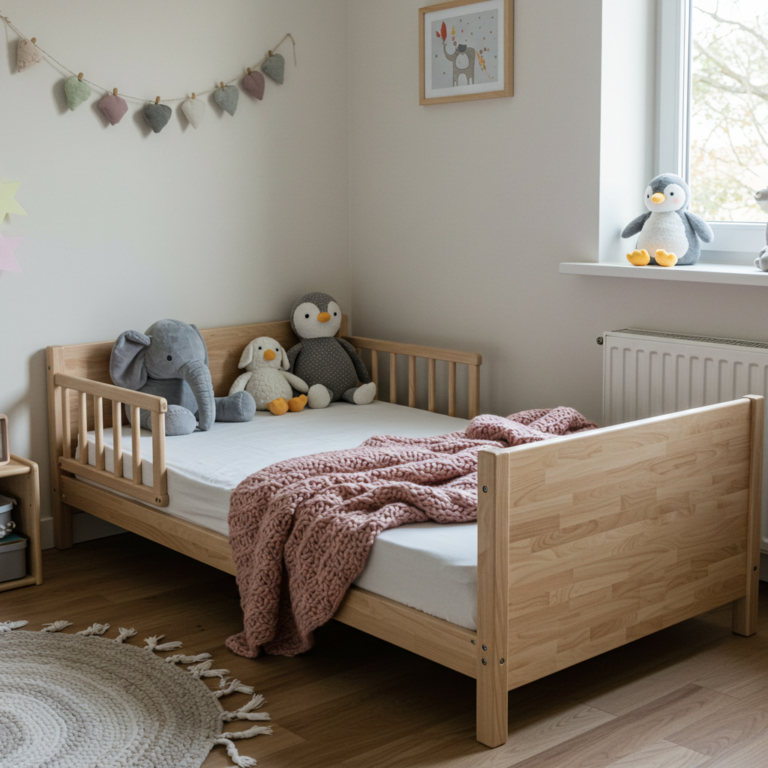
Transitioning out of a crib marks a monumental developmental leap for your toddler. Selecting a low-to-the-ground toddler platform bed or floor-level Montessori frame empowers him to climb in and out independently while eliminating dangerous tumble risks. Styling the bed with playful adventure-themed pillows and a low headboard turns bedtime from an intimidating transition into an exciting rite of passage. Look for bed frames featuring integrated low guardrails on both sides, ensuring your little sleeper stays securely tucked in through active nighttime tossing and turning.
 Montessori Independence
2. Low, Accessible Shelving for Toddler-Level Toy Access
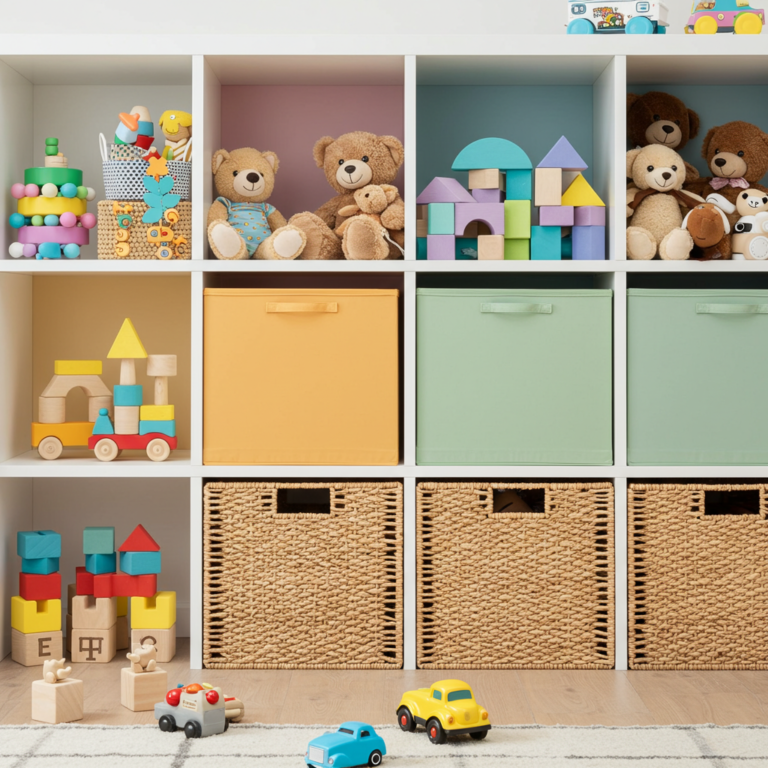
Toddlers thrive on exploring their physical environment with self-directed autonomy. Swapping towering bookshelves for child-height, front-facing display shelves allows your little boy to see, reach, and select his favorite toys without having to climb furniture. Keeping toy displays limited to a curated handful of options also prevents sensory overwhelm and promotes deeper, more imaginative play. Secure low wooden horizontal bookcases firmly to wall studs using heavy-duty furniture anchors, giving you complete peace of mind while fostering clean-up habits.
 Underfoot Comfort
3. Playful, Durable Rugs for Floor Play
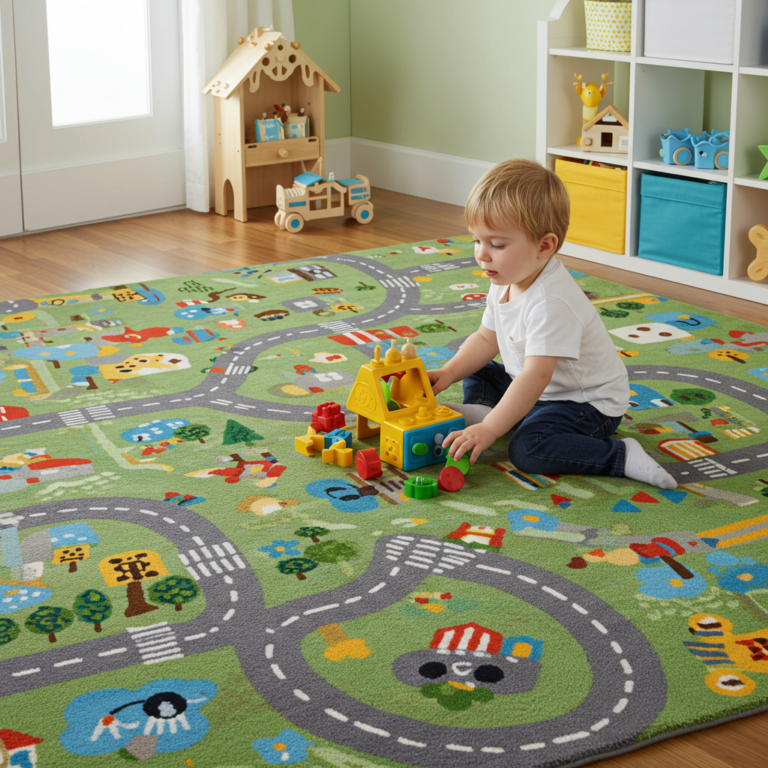
Because toddlers spend the vast majority of their active waking hours crawling, building, and rolling directly on the floor, a soft yet hard-wearing area rug is an absolute necessity. Choose an engaging pattern—such as an illustrated roadmap, subtle safari tracks, or playful geometric shapes—that doubles as an imaginative backdrop for racing cars and stacking train tracks. Opt for low-pile or flatweave washable rugs with stain-resistant synthetic fibers and a non-slip rubberized backing so the rug stays anchored through fast foot races and inevitable juice spills.
 Quiet Corner
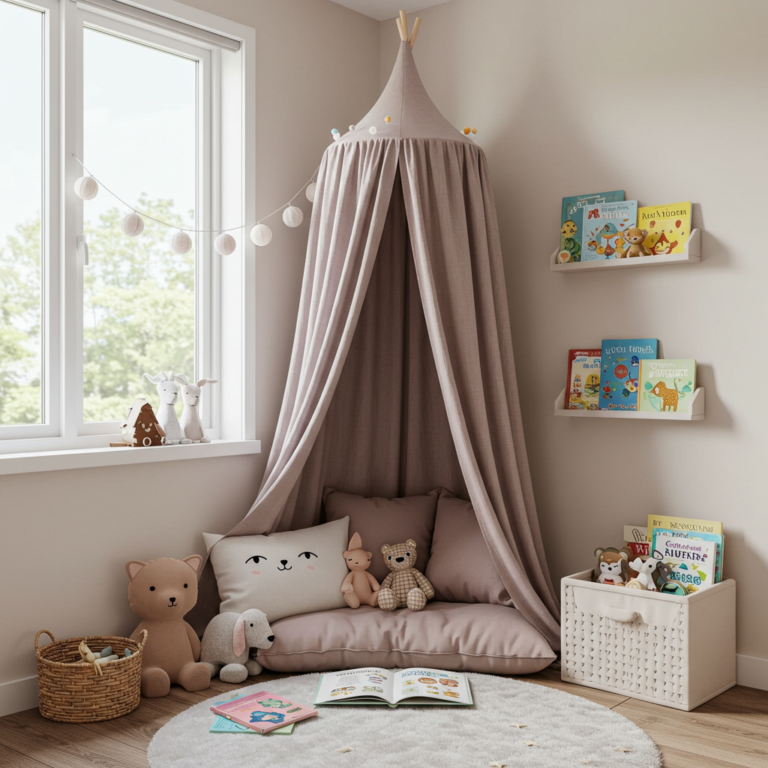
4. A Reading Nook Scaled to Toddler Size
Creating a dedicated, cozy reading zone encourages an early love of literacy while providing a calming retreat for winding down before naps. A low canopy tent, plush floor cushions, or an oversized foam lounger paired with shallow front-facing picture ledges invites your child to curl up with his favorite storybooks independently. Displaying vibrant book covers outward at his eye line rather than hiding them spine-out makes books far more enticing to little hands. Add a soft waffle throw blanket and a touch-safe battery-operated puck light overhead for cozy storytimes.
 Childproof Design
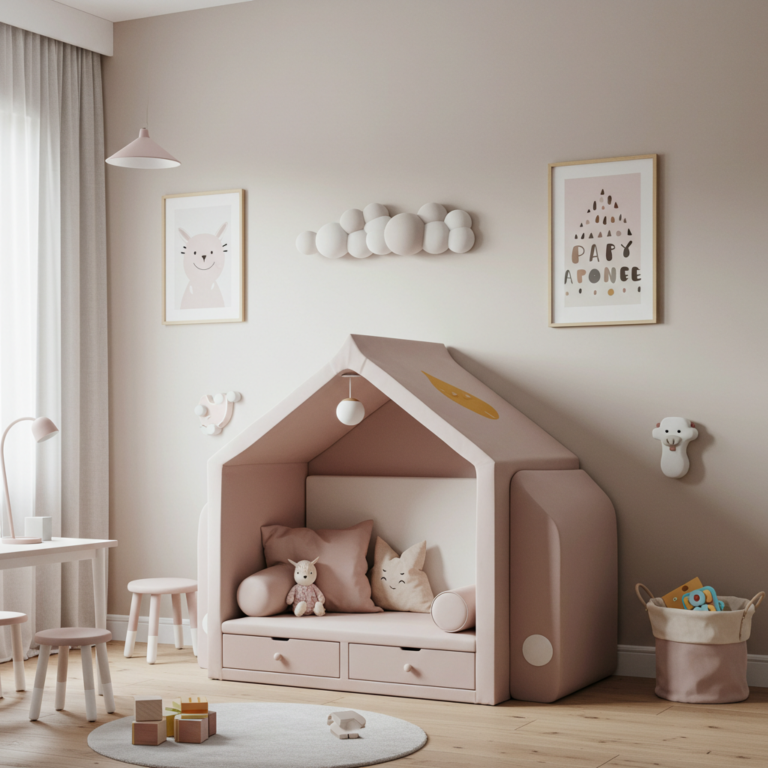
5. Soft, Rounded Furniture Edges for Safety
Active toddlers are notorious for running full speed, testing their balance, and occasionally tumbling into obstacles. Choosing nightstands, toy chests, and activity tables designed with smoothly rounded corners, bullnose edges, and tapered wooden legs dramatically minimizes painful bumps and bruises. If you are reusing existing angular furniture, install high-density silicone edge protectors in coordinating wood-tone finishes. Selecting organic curved silhouettes also introduces a modern, playful Scandinavian design language that softens the entire room's visual lines.
 Smart Organization
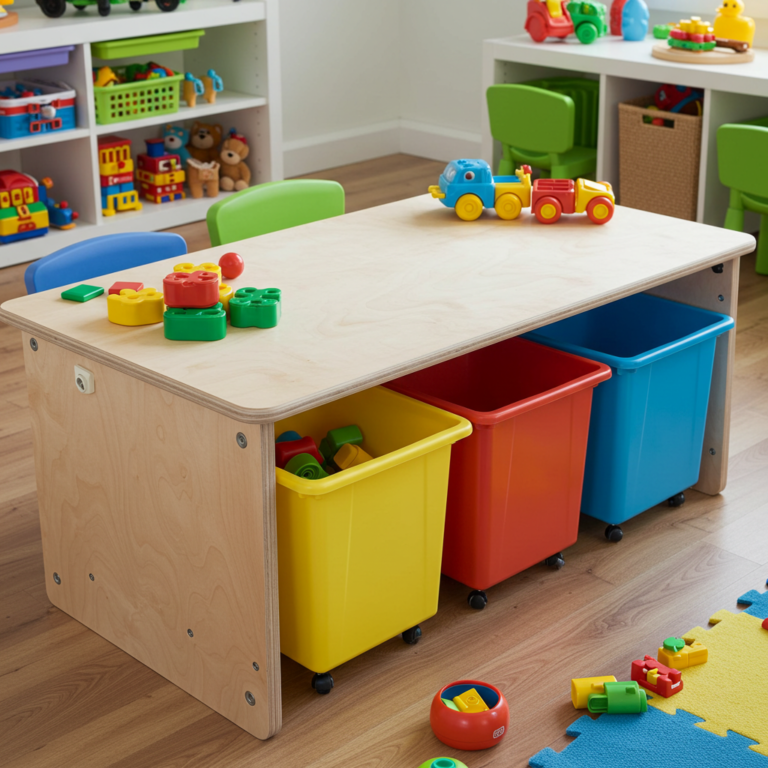
6. Labeled Bins for Toddler-Friendly Toy Sorting
Teaching cleanup habits to a two- or three-year-old works best when storage systems are intuitive and visual. Incorporate open-top fabric bins or woven canvas baskets fitted with graphic picture labels or simple icon stickers representing cars, dinosaurs, art supplies, and building blocks. This visual clarity enables pre-reading toddlers to identify where toys belong and participate actively in evening cleanups. Keep bins lightweight and lid-free to prevent pinched fingers, fitting them neatly onto low cubby shelving units.
 Milestone Art
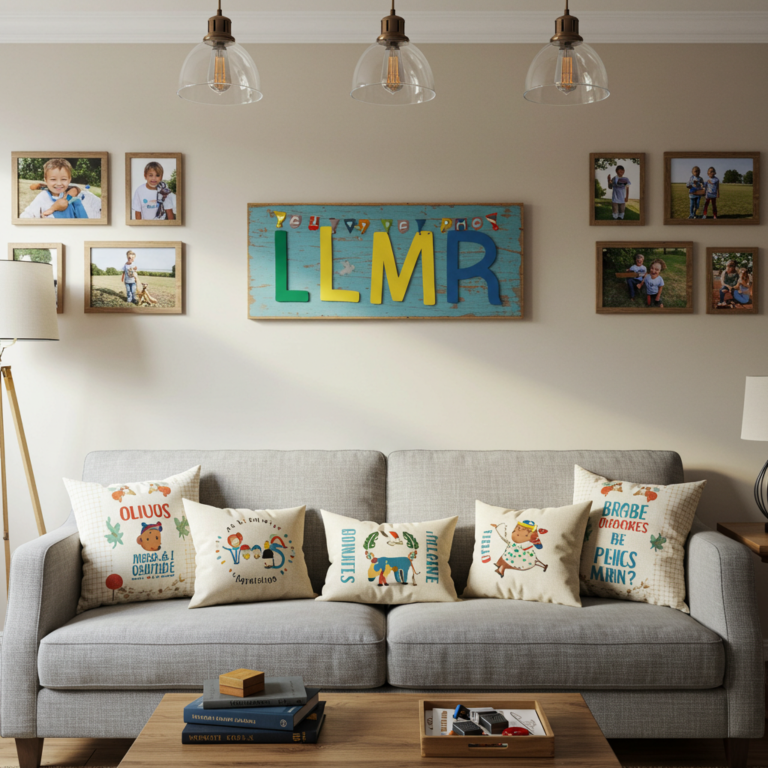
7. A Growth Chart as Both Decor and a Fun Milestone Tracker
Documenting your toddler's astonishing growth spurts adds personal warmth and nostalgic charm to his bedroom walls. A stylish canvas hanging ruler or a rustic wooden plank growth chart acts as both vertical decor and an interactive family tradition. Choose timeless adventure themes—such as mountain peaks, woodland trees, or minimalist modern rulers—that coordinate with the room's color scheme. Hang the chart exactly according to its baseline measurement using sturdy screws, marking each milestone with a permanent archival pen.
 Removable Decor
8. Wall Decals Featuring Fun, Adventure-Themed Designs
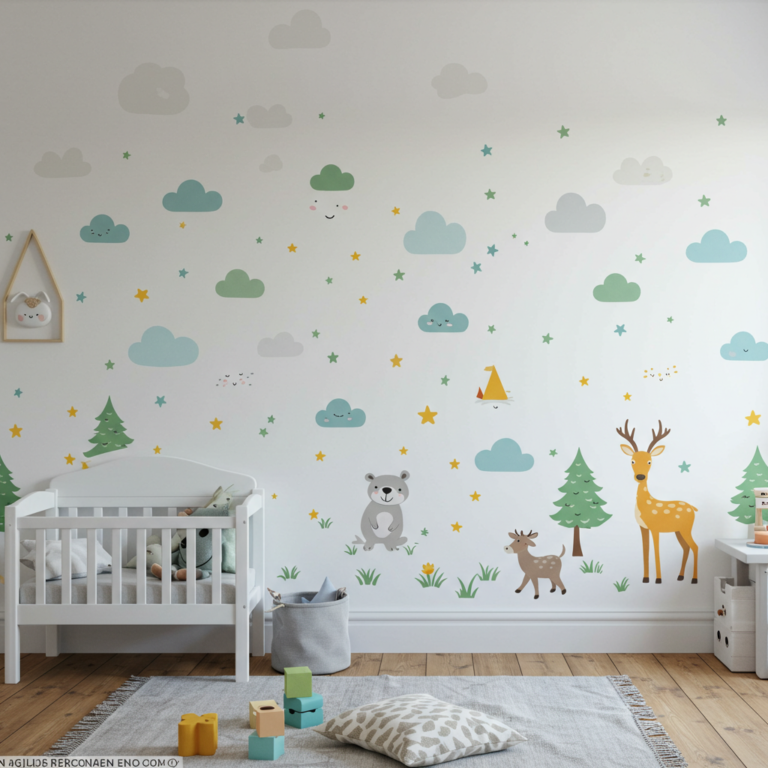
Toddler interests evolve rapidly, from construction vehicles and dinosaurs to outer space rockets and jungle safaris. Removable matte vinyl wall decals allow you to create an immersive, personalized themed accent wall without the cost, permanence, or hassle of wallpaper. Peel-and-stick decals adhere smoothly to painted drywall and peel off cleanly without damaging surfaces when his tastes transition into elementary school. Position a grouping of soaring hot air balloons, pine trees, or stars above his headboard to inspire bedtime daydreaming.
 Creative Station
9. A Small Table and Chair Set for Drawing and Play
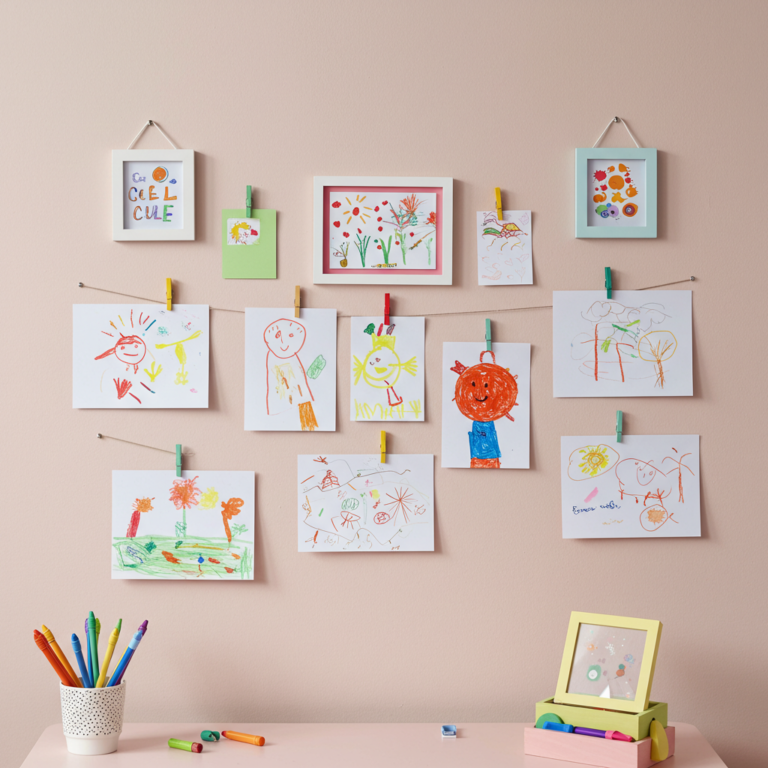
A scaled toddler activity table provides your child with a dedicated zone for coloring, building with clay, assembling puzzles, and enjoying morning snacks. Having furniture proportioned correctly to his stature promotes good posture and fosters independent creative focus. Look for solid hardwood or molded composite tables featuring wipe-clean surfaces that resist permanent markers and paint stains. Pair the table with two ergonomic chairs equipped with rubberized floor glides to prevent skidding during enthusiastic art sessions.
 Practical Textiles
10. Durable, Washable Bedding for Inevitable Messes
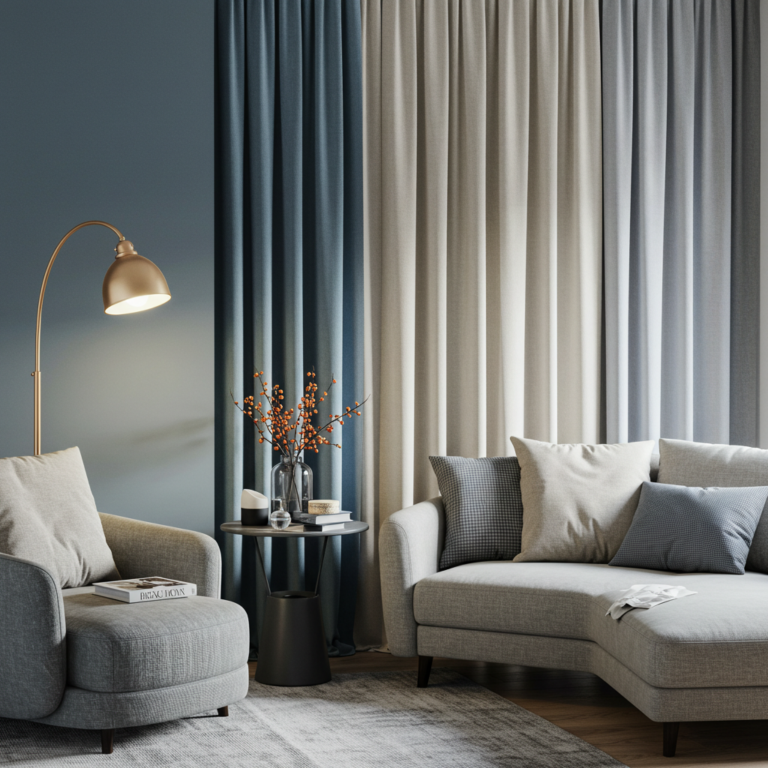
Nighttime potty-training accidents, sippy cup spills, and creative snack messes are guaranteed realities of toddlerhood. Selecting 100% organic percale cotton or double-brushed microfiber toddler bedding ensures durable breathability, buttery softness, and colorfast washability through countless high-temperature laundry cycles. Always invest in a certified waterproof mattress protector underneath your fitted sheet to safeguard your mattress core. Choose playful, subtle prints—like minimalist grid checks, friendly animal silhouettes, or navy stars—that disguise minor wear.
 Bedtime Comfort
11. A Soft Nightlight for Toddler Bedtime Comfort
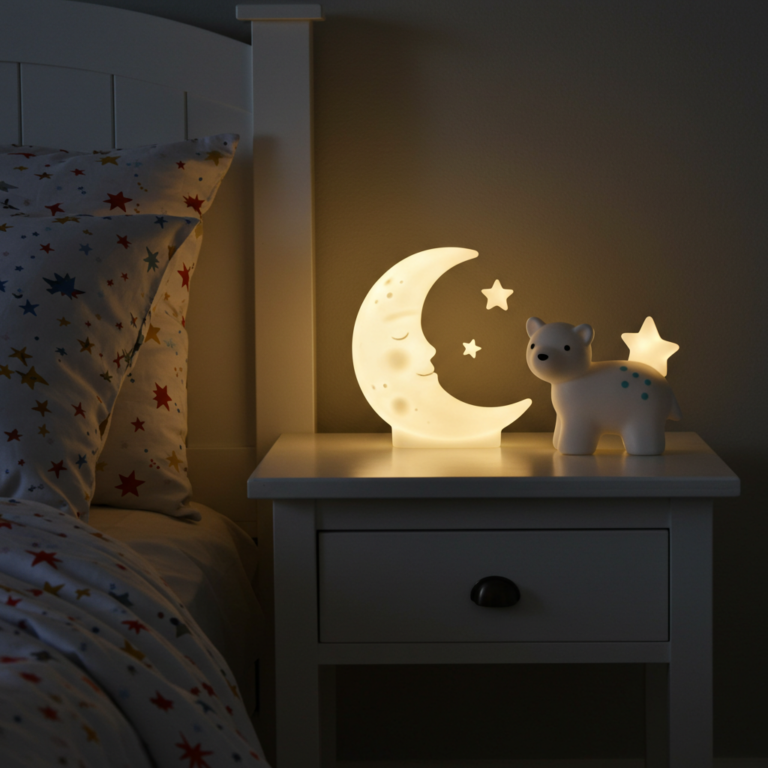
Nighttime fears of the dark frequently emerge during the toddler years as imaginations bloom. A soft, dimmable LED nightlight emitting a warm amber or soothing red glow provides comfort without disrupting his natural melatonin production. Look for child-safe silicone nightlights shaped like friendly bears, clouds, or sleeping foxes that stay cool to the touch and can be safely held in little hands. Select models with rechargeable battery bases, tap-activated dimming controls, and automatic shutoff timers.
 Spatial Flow
12. Open Floor Space for Active Play
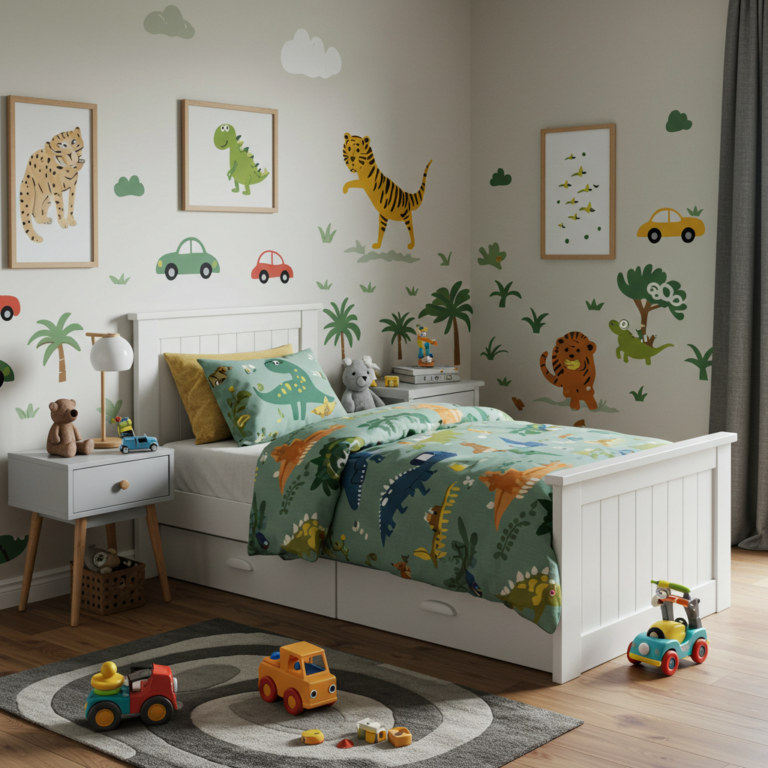
While it is tempting to fill every corner with charming toddler furniture, active little boys need plenty of open floor space to build towering train tracks, crawl through obstacle courses, and burn off evening energy. Position essential larger furniture pieces—such as the bed, dresser, and toy shelf—securely against the room's perimeter walls to keep the center completely open and uncluttered. Maintaining wide, clear walkways also makes nighttime checks far easier for parents without stepping on rogue building blocks.
 Dressing Independence
13. A Closet Organized with Toddler-Accessible Clothing Storage
Encourage morning dressing independence by restructuring closet storage down to your toddler's reach. Install a secondary lower closet hanging rod alongside low pull-out wire baskets where he can select his daily shirts, pants, and socks independently. Reserve higher closet shelves for out-of-season clothes, bulky winter gear, and extra bedding supplies. Placing small visual clothing labels on pull-out drawer fronts helps him practice dressing routines with pride and confidence.
 Playful Color
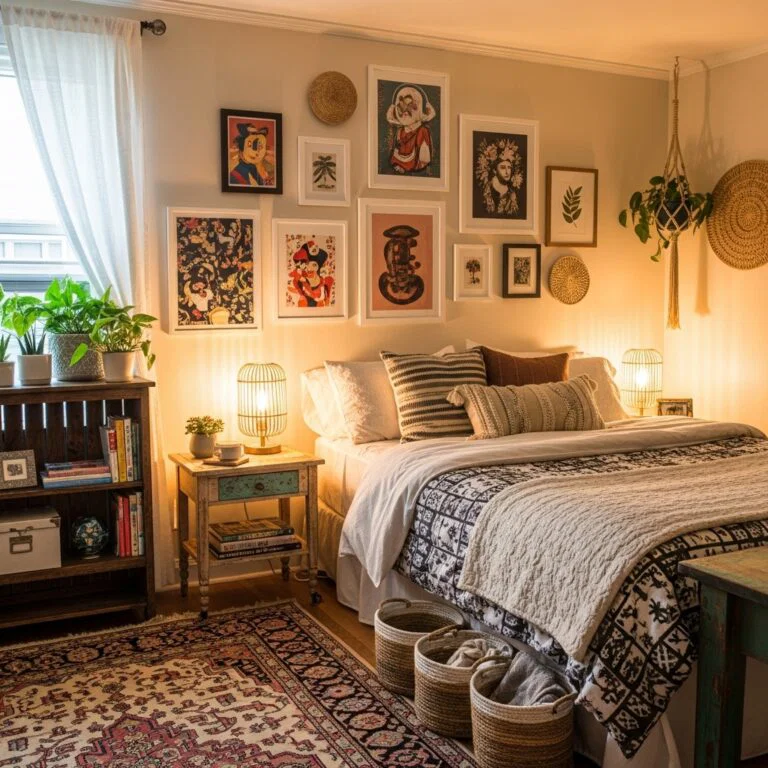
14. A Fun Accent Wall in a Bold, Playful Color
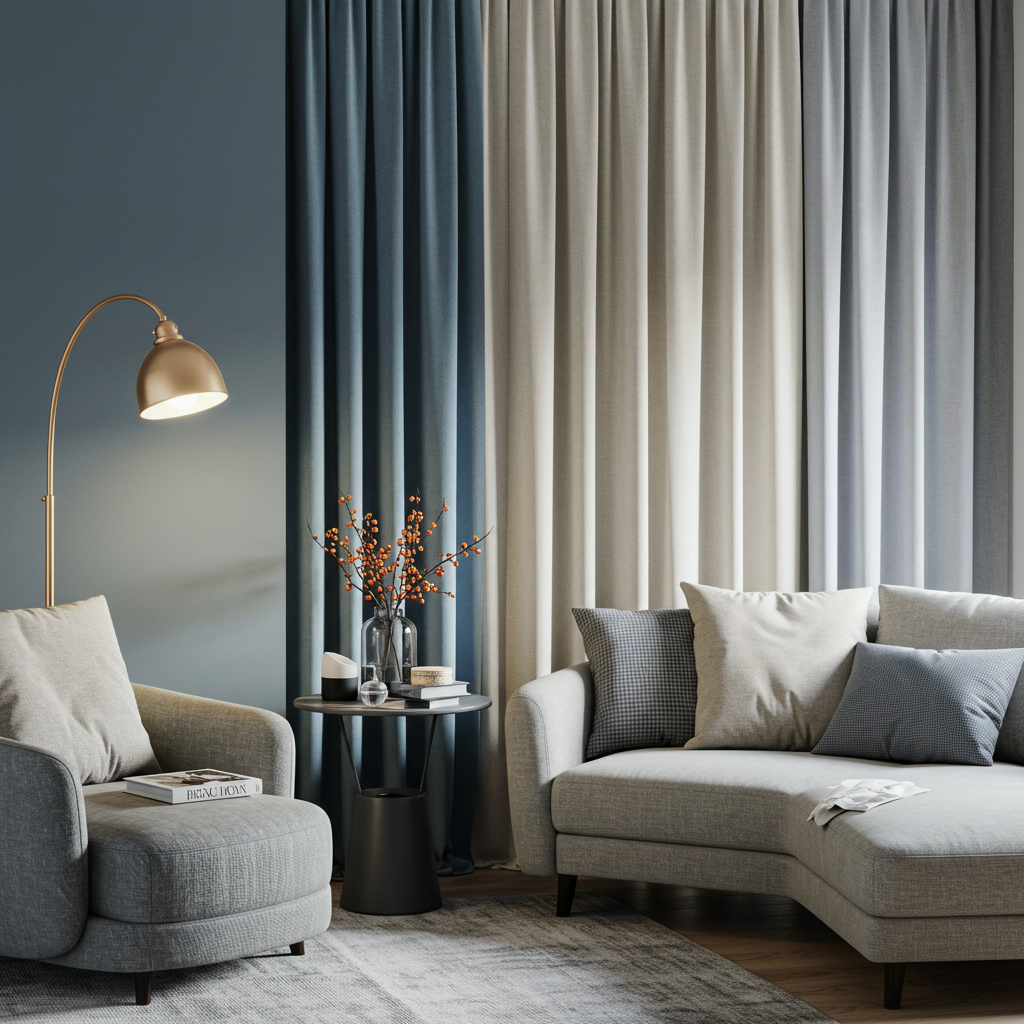
Infusing personality into a toddler room doesn't mean you have to paint all four walls in jarring neon hues. A single accent wall painted in a rich, playful tone—such as deep slate blue, warm forest sage, dusty mustard, or earthy terracotta—adds architectural depth and vibrant character. Use durable eggshell or satin finish paint that wipes clean easily with a damp magic eraser to eliminate stray crayon marks. Pair the bold wall with light wood furniture and neutral linens for a balanced, modern designer look.
 Plush Showcase
15. A Cozy Stuffed Animal Display Shelf
Every toddler has an ever-growing menagerie of cherished stuffed animals that quickly end up scattered across the floor. A shallow wall display shelf, a corner macramé plush hammock, or an open wooden zoo crate organizes cuddly companions while turning them into charming three-dimensional wall decor. Displaying his favorite teddy bears, dinosaurs, and plush animals at eye level makes them accessible for bedtime snuggles while keeping floor surfaces totally clear. Rotate his plush collection periodically to keep his room feeling fresh and exciting.
Involve Your Toddler in Crafting His Special Haven
Designing an engaging, comfortable toddler boy room is an ongoing journey of balancing playful imagination with smart functionality. As your child transitions from babyhood into active childhood, remember to invite him into the decorating process in age-appropriate ways—such as letting him choose between two colorful bedding patterns, picking out his bedtime nightlight animal, or selecting which wall decals to paste above his bed. Giving him ownership over a few design choices builds tremendous pride in his new 'big kid' bedroom, turning bedtime routines and quiet play sessions into cherished daily habits. Focus on safety, flexibility, and comfort, and you will create an enduring sanctuary that sparks joy and adventure every single day.