15 Sewing Room Ideas to Organize, Inspire, and Boost Creativity
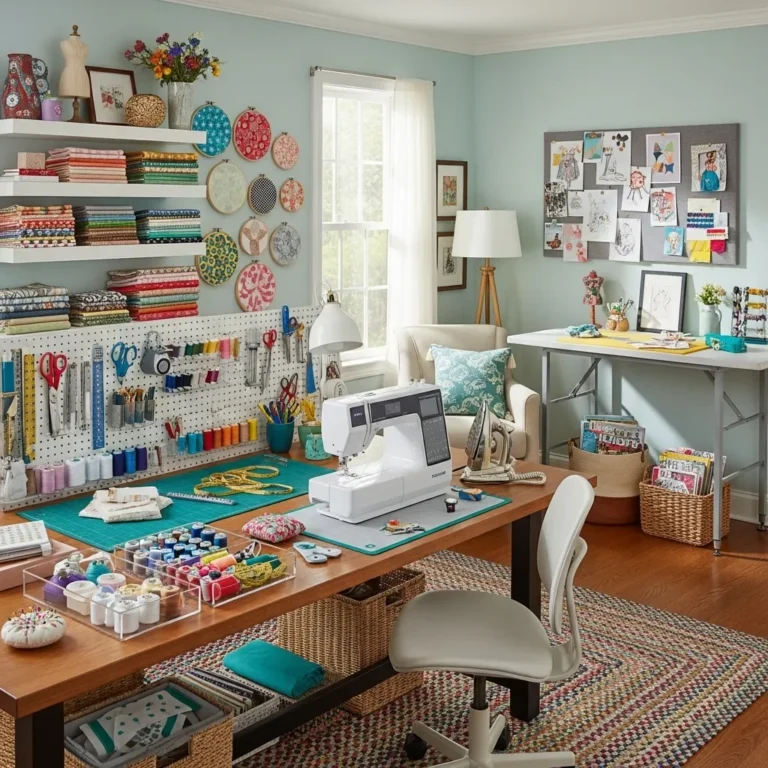
A dedicated sewing room is far more than just a place to store spools of thread and fabric scraps—it is an inspiring creative sanctuary where imagination transforms into wearable art, home textiles, and handmade heirlooms. Whether you have an entire spare bedroom to dedicate to your craft or are carving out a high-functioning studio corner in a shared space, thoughtful organization is the key to maintaining creative momentum. When tools are visible, work surfaces are clear, and machines are ergonomically positioned, the act of creating becomes pure joy. Explore these 15 inspiring sewing room ideas to organize your supplies, streamline your workflow, and design a studio that fuels your passion every single day.
1. A Dedicated Cutting Table with Ample Surface Space
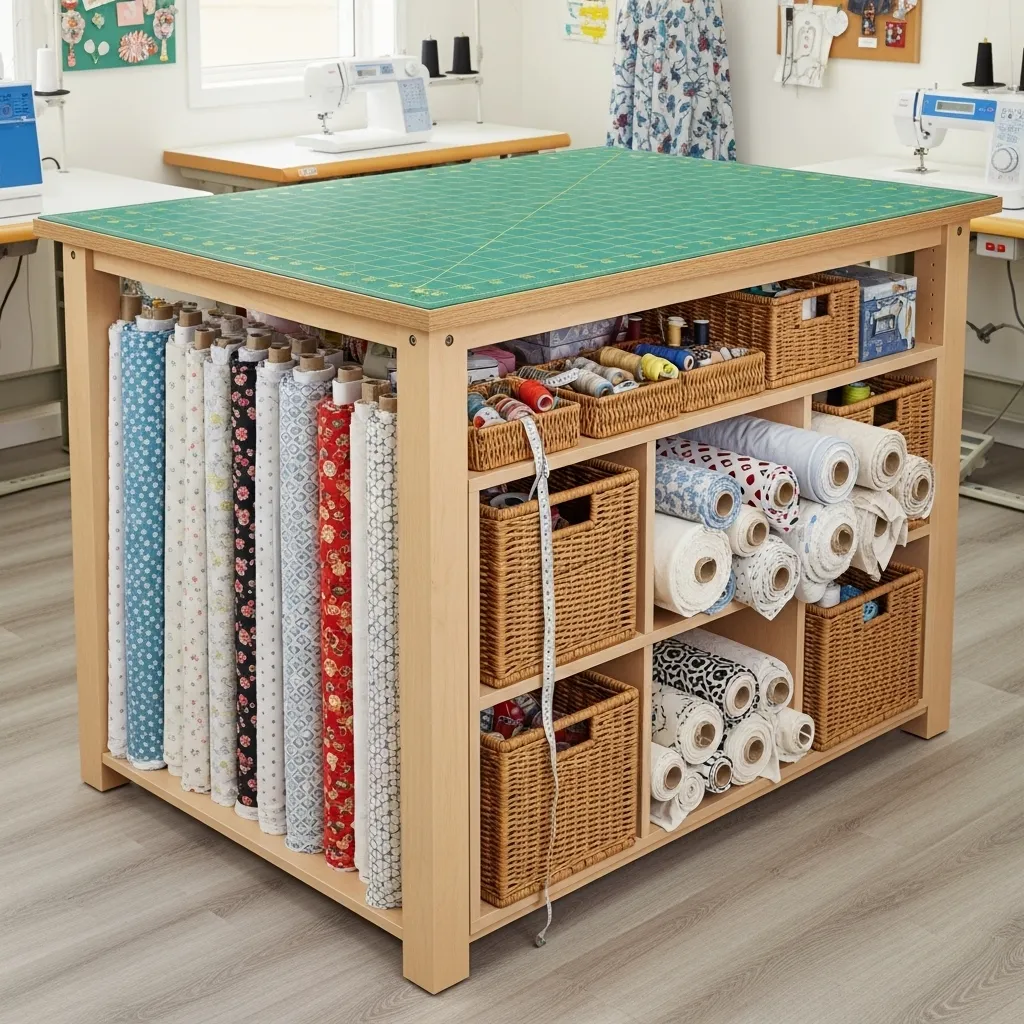
Bending over kitchen tables or crawling across hard floors to cut fabric patterns is the quickest route to physical fatigue and inaccurate cuts. A freestanding, counter-height cutting table that allows 360-degree walking access transforms your preparation workflow. Aim for a table height between 35 and 38 inches to preserve your lower back while pinning and slicing with rotary cutters. Incorporating open cubbies, wire baskets, or wide pull-out drawers beneath the table surface keeps heavy interfacing rolls, acrylic quilting rulers, and pinking shears neatly concealed yet immediately reachable.
2. Thread and Notion Organizers with Clear, Labeled Storage
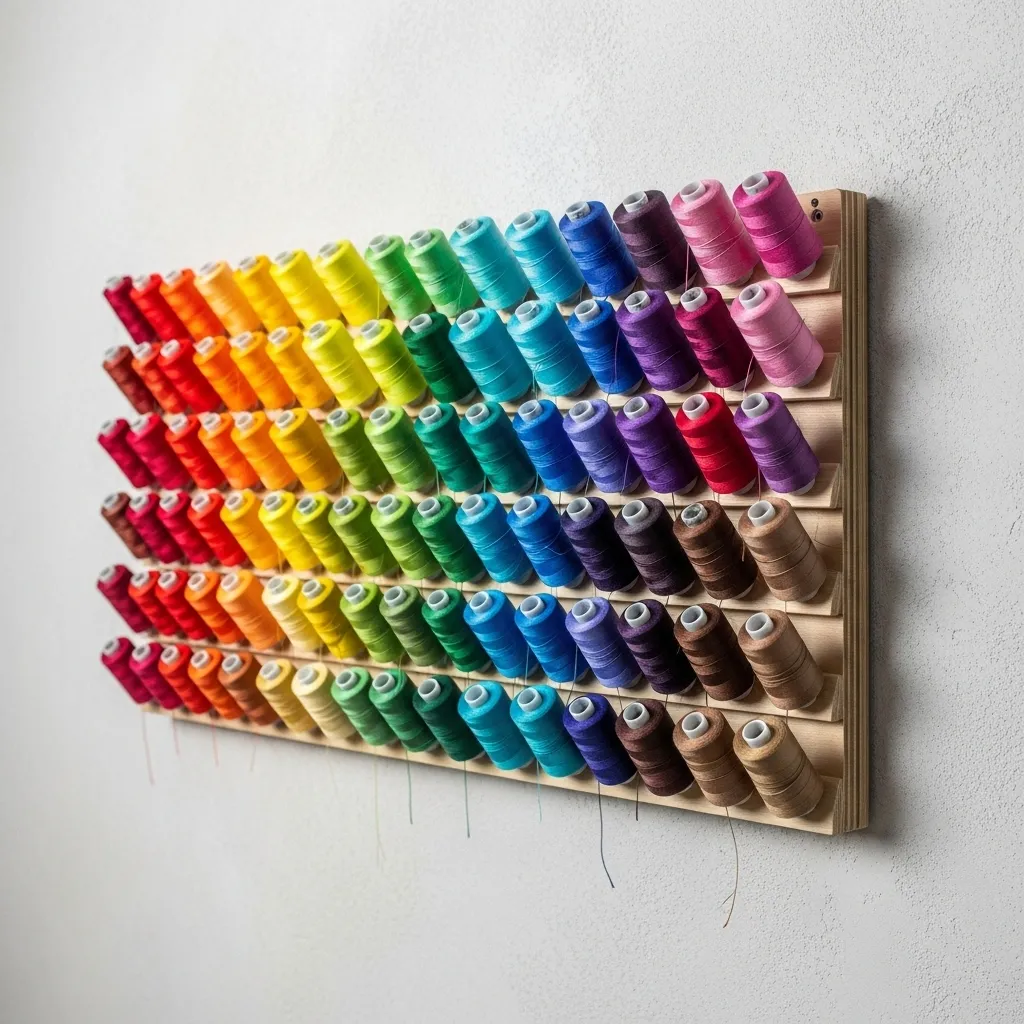
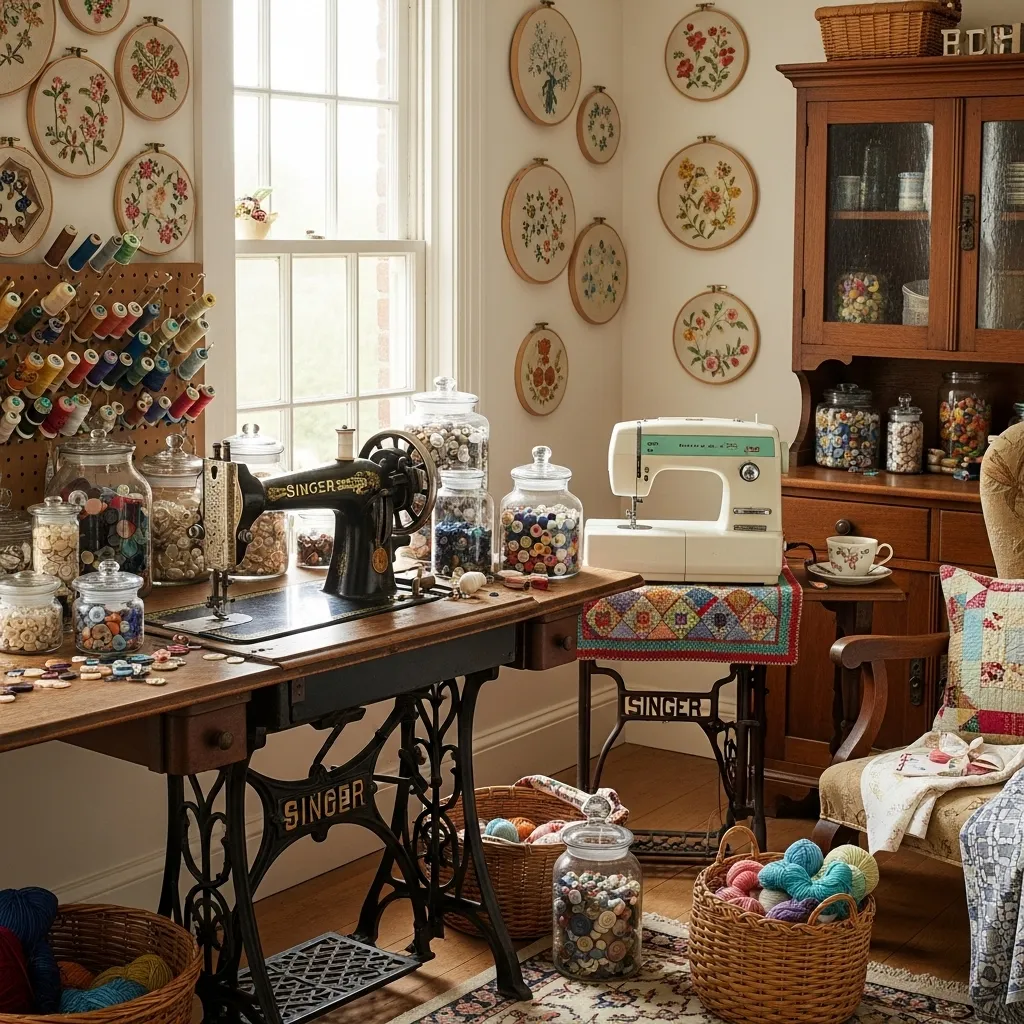
Tiny sewing notions—such as bobbins, bias tapes, zippers, safety pins, and buttons—can rapidly dissolve into disorganized drawer chaos. Mounting natural birch thread racks on the wall turns essential supplies into functional rainbow artwork while preventing tangled spool tails. For smaller hardware, clear acrylic apothecary drawers or stackable tackle boxes with adjustable dividers allow you to see exact inventory at a glance. Label each drawer compartment with a sleek label maker so you spend your valuable studio hours sewing rather than searching for matching thread.
3. A Fabric Storage System Organized by Color or Type
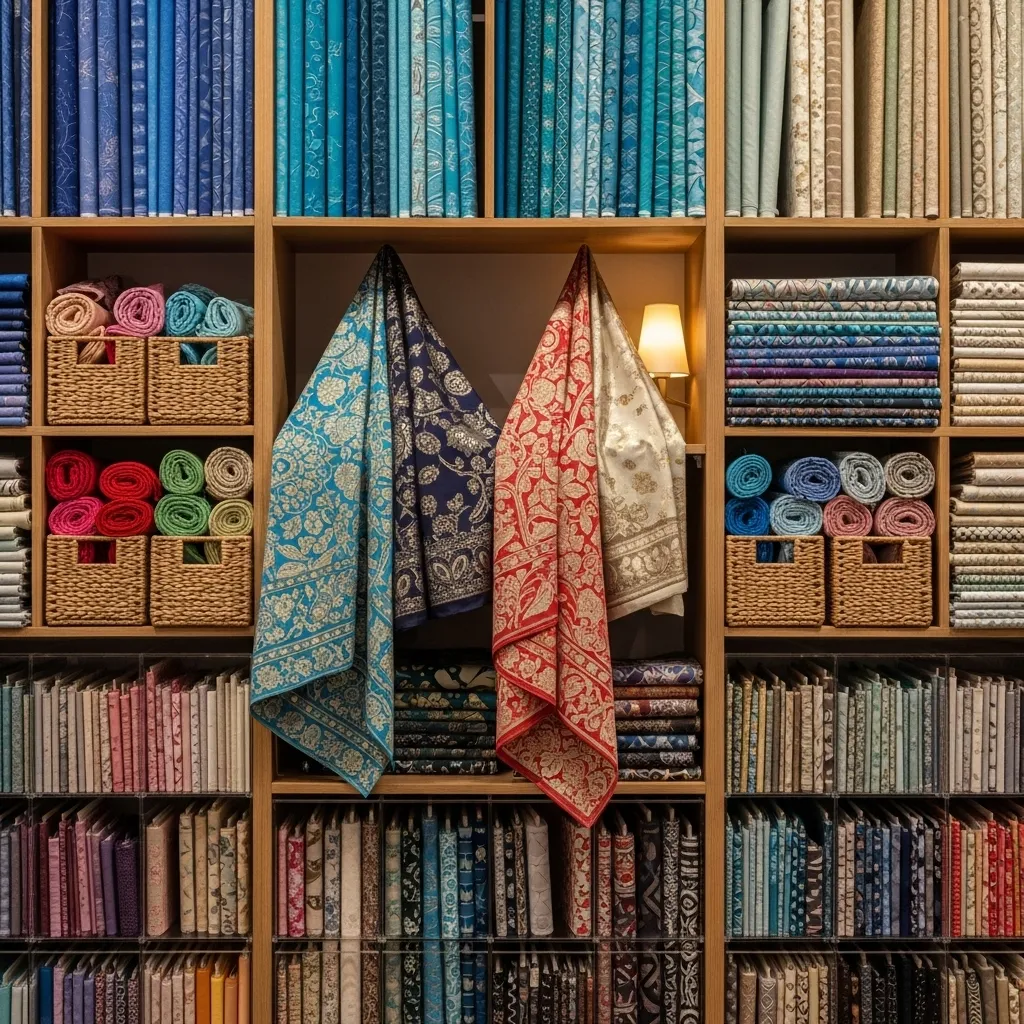
Your fabric stash is both raw material and a powerful visual muse, but folded piles stuffed in dark bins quickly become forgotten and rumpled. Folding yardage uniformly around acid-free comic book backing boards or mini-bolts creates a boutique fabric store display on open shelving. Organizing your textiles by color gradient or material type—separating quilter's cotton, lightweight linen, and heavy canvas—makes pull-day effortless. Keep fabrics away from direct, harsh sunbeams to prevent uneven fading along the exposed fold edges.
4. A Design/Inspiration Wall for Pattern and Fabric Swatches
Translating a garment or quilt concept from imagination into reality requires a dynamic visual staging ground. Installing an oversized linen-wrapped cork board or a white magnetic rail directly across from your main sewing desk provides a dedicated platform for mood boards, pattern envelopes, and swatch clippings. Pinning up inspirational color palettes, garment construction order sheets, and body measurement charts keeps you focused throughout complex projects. As your projects evolve, rotating the displays keeps your studio feeling fresh, modern, and creatively charged.
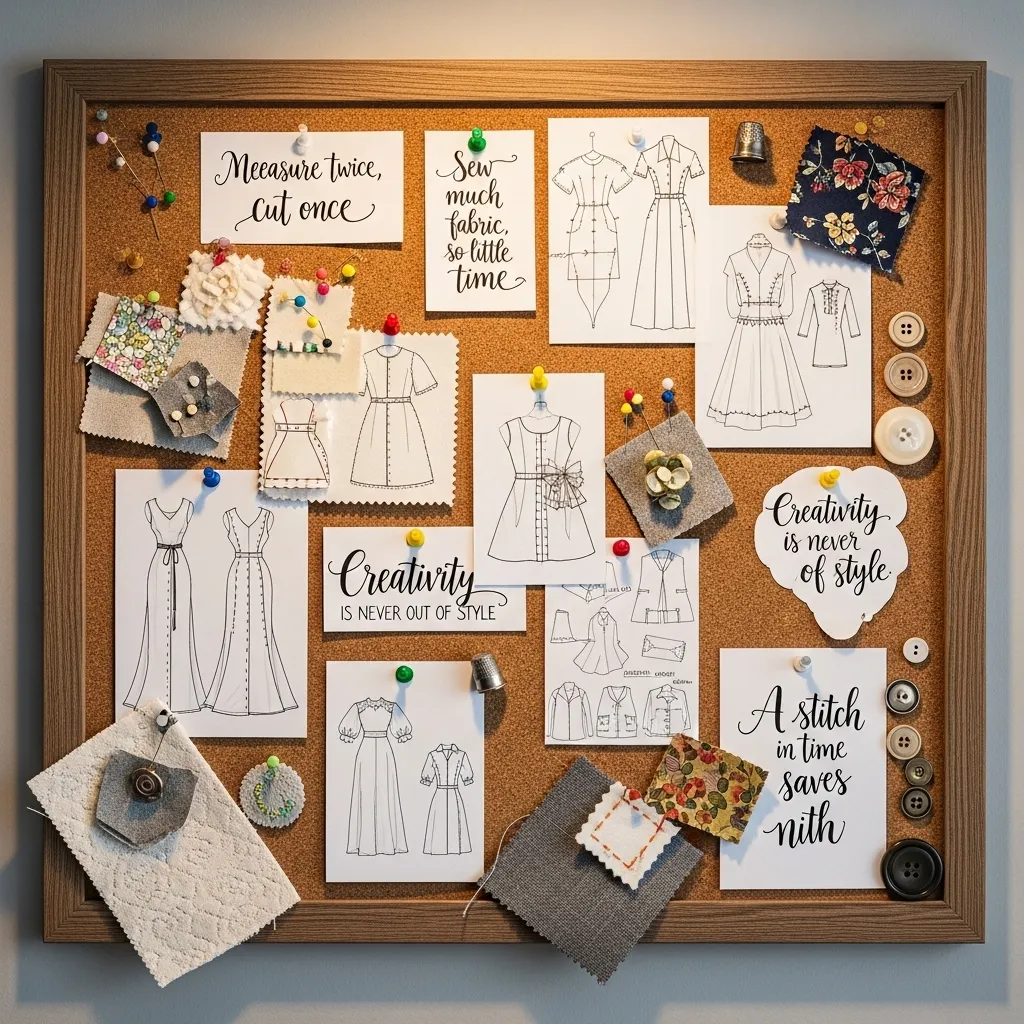
5. Good Task Lighting Positioned Directly Over the Sewing Machine
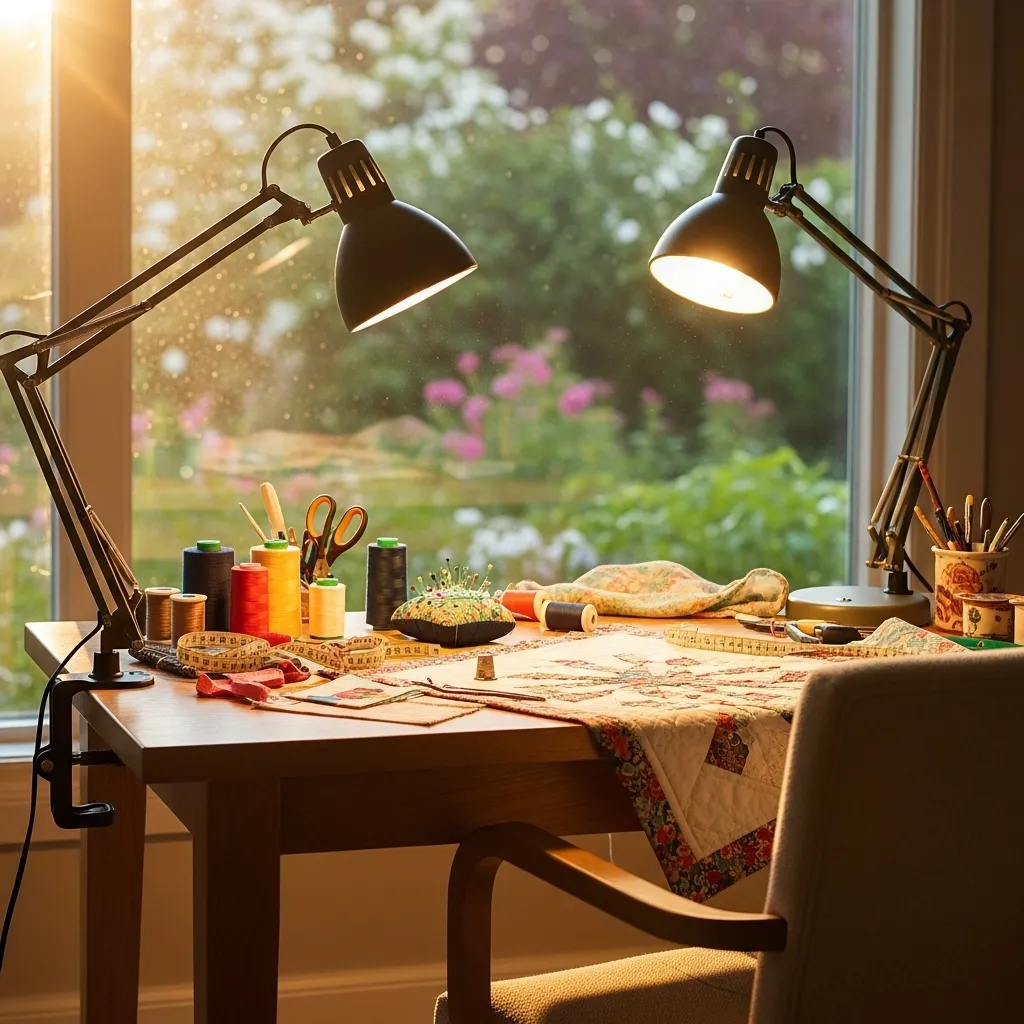
Intricate seam ripping, fine needle threading, and stitching along precise dark fabric lines demand exceptional illumination to prevent severe eye fatigue. While warm ambient ceiling fixtures create a cozy general atmosphere, an adjustable articulated architect's lamp fitted with a 5000K daylight LED bulb delivers high-CRI shadow-free clarity right at the presser foot. Supplementing your primary work surface with an adhesive LED strip tucked underneath the sewing machine harp brightens the exact needle plate area for pinpoint stitch accuracy.
6. A Rolling Cart for Mobile, Flexible Supply Storage
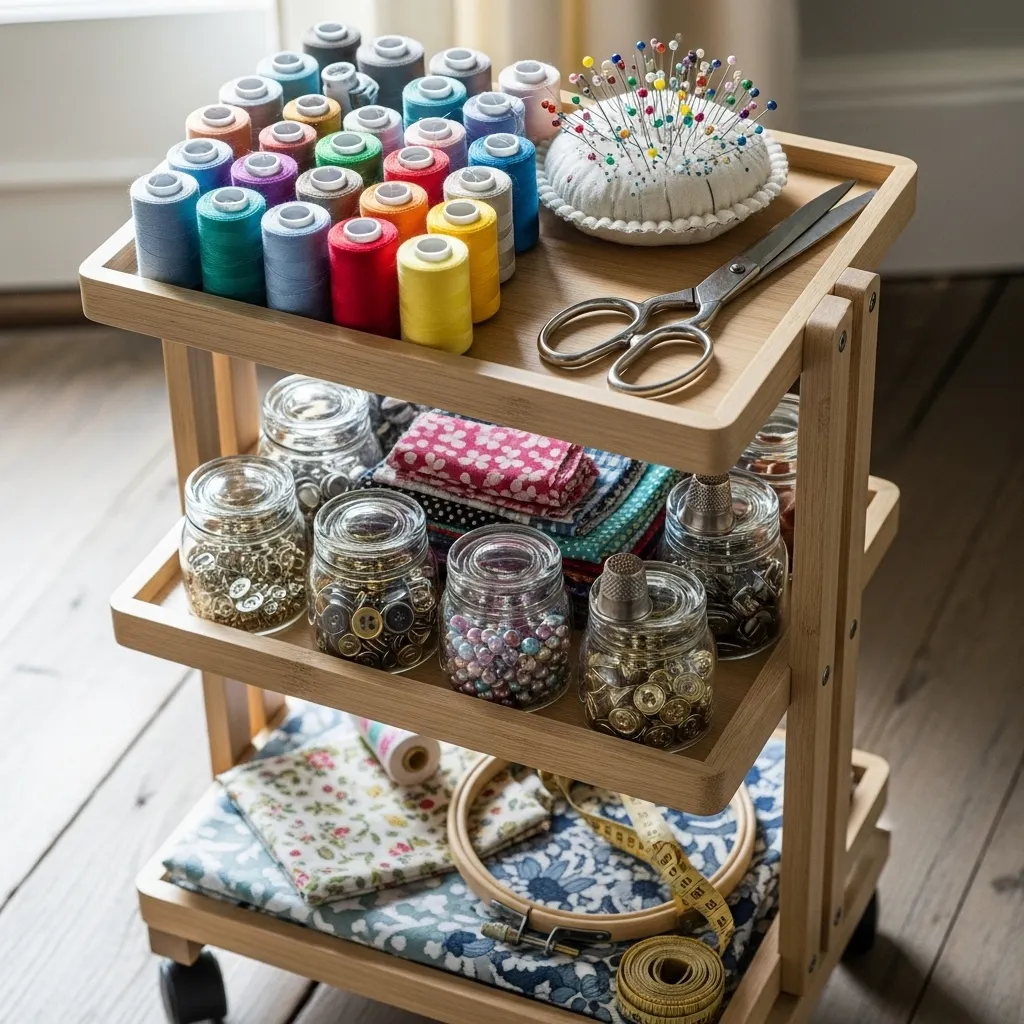
A three-tier heavy-duty steel utility cart on locking caster wheels is one of the most versatile and cost-effective additions to any creative sewing space. Dedicate the top tier to current in-progress notions like fabric clips, snips, and seam gauges, the middle tier to your mini iron and wool pressing mat, and the bottom basket to project pattern pieces. The mobile cart glides effortlessly between your cutting table, sewing chair, and pressing station, keeping vital tools within arm's reach wherever you move in the room.
7. A Pegboard Wall for Frequently Used Tools and Scissors
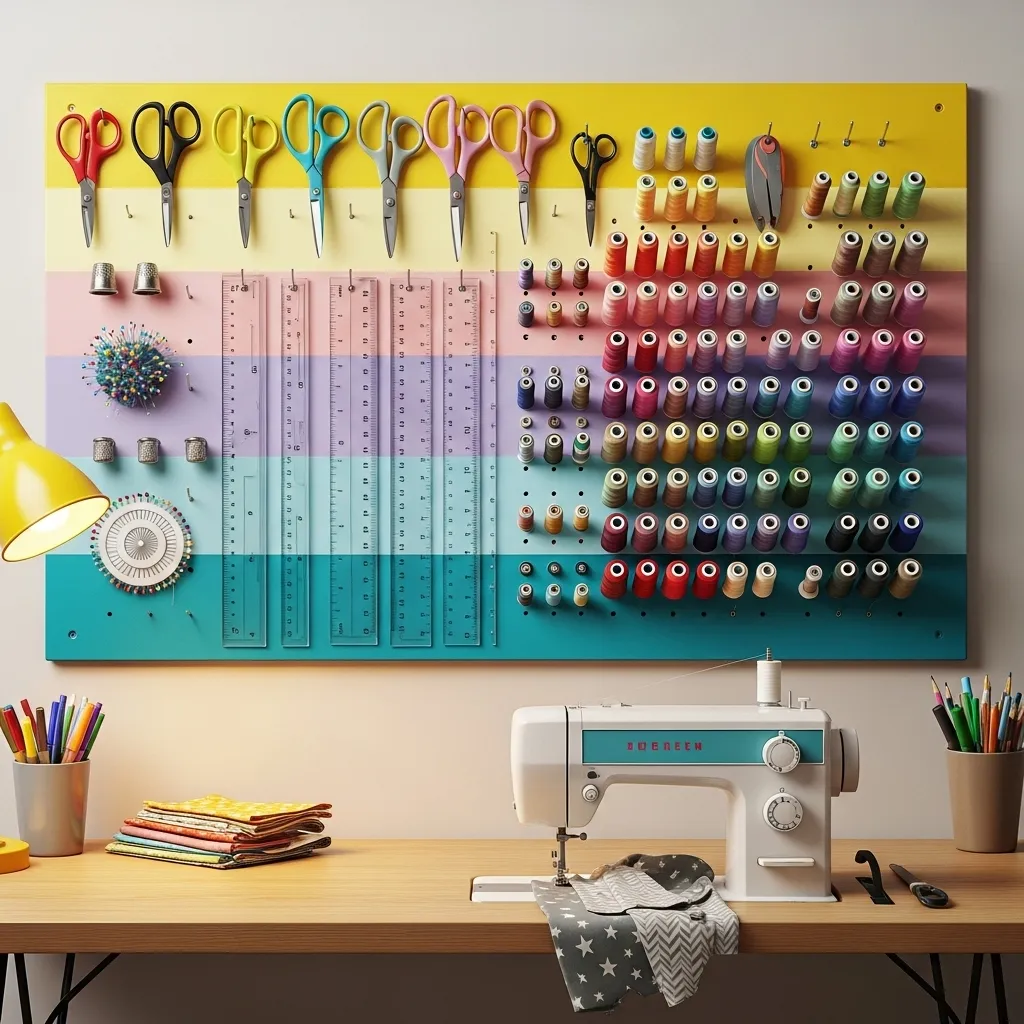
Clearing clutter off valuable desk surfaces while keeping essential tools within arm's reach is the hallmark of an efficient studio. A customized wooden or heavy-gauge metal pegboard mounted directly above your sewing desk utilizes vertical space to hold shears, rotary cutters, quilting rulers, and measuring tapes. Painting the board in soft sage, warm terracotta, or crisp ivory adds an upscale bespoke feel that harmonizes with your home decor. Outlining tool silhouettes with a fine-tip paint pen ensures visiting helpers always return shears to their exact spot.
8. A Comfortable, Ergonomic Chair Suited for Long Sewing Sessions
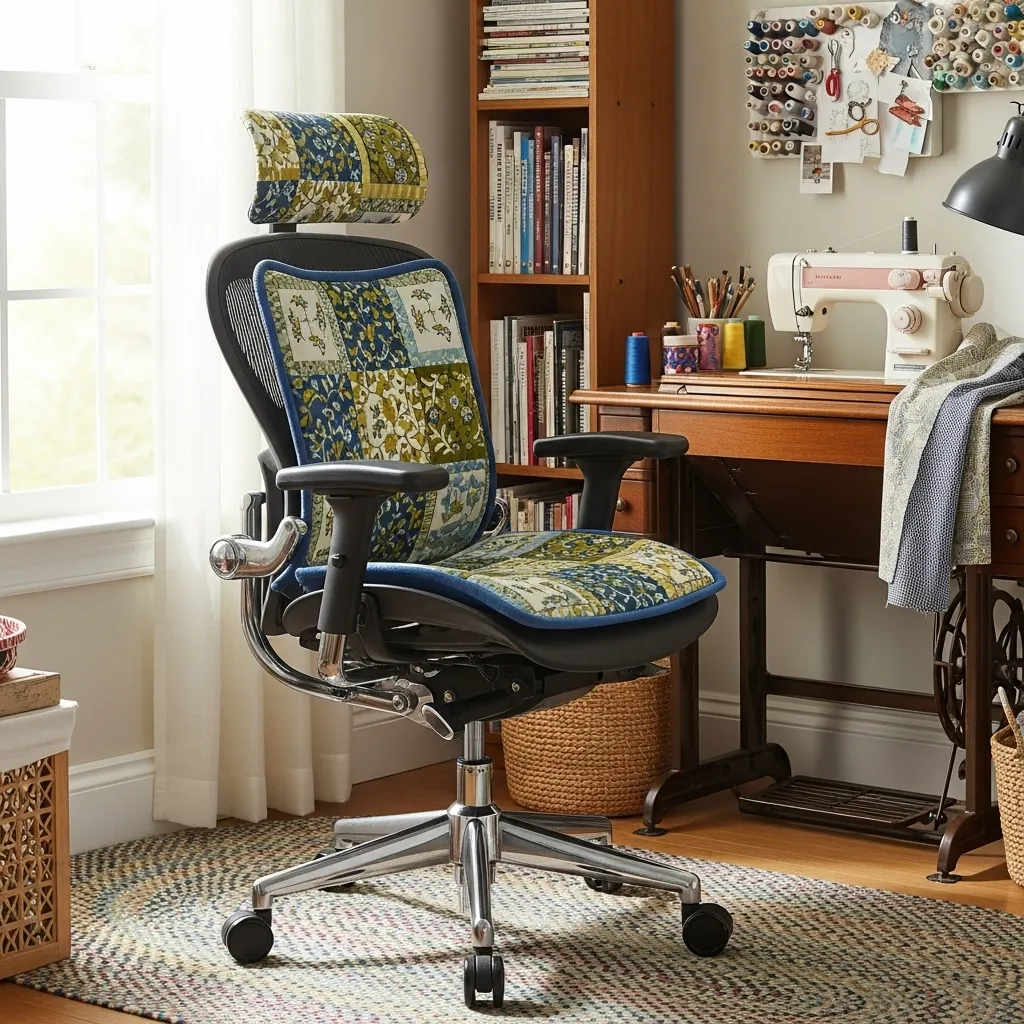
Sewing often involves hours of repetitive sitting with a slight forward neck lean, making standard dining chairs or stiff wooden stools a recipe for chronic back stiffness. Invest in a fully adjustable ergonomic task chair with pneumatic height adjustment, breathable fabric upholstery, and targeted lumbar support. A smooth-rolling five-star caster base allows you to swivel fluidly between your sewing machine, serger, and side table without twisting your spine. Adding an ergonomic footrest beneath the sewing table supports optimal knee angles and pedal control.
9. A Dress Form or Mannequin as Both Function and Decor
A vintage-inspired linen dress form or an adjustable dial mannequin serves as an indispensable tailoring tool while infusing artistic, haute-couture atmosphere into the room. Beyond checking garment drape, sleeve pitch, and hemline levels in real time, a mannequin provides an elegant three-dimensional display for finished pieces or works in progress. Position the dress form near a natural window or beside a tall floor mirror to lend your sewing studio the romantic, timeless charm of a Parisian atelier.
10. A Cozy Reading or Planning Nook for Pattern Research
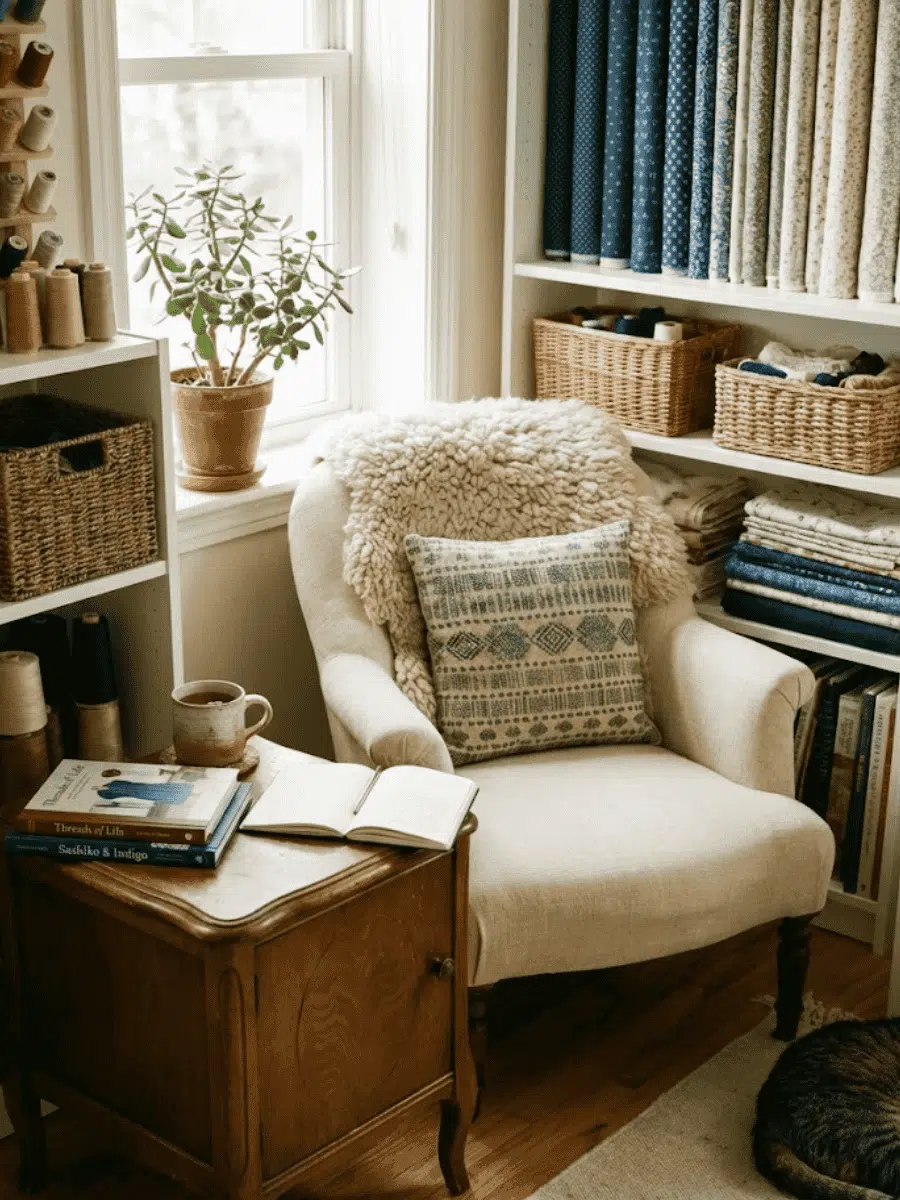
Not every sewing hour is spent operating machinery; the ideation, pattern tracing, and hand-stitching phases require a calmer, reflective pace. Setting up a comfortable armchair or cushioned window seat with a warm knit throw, side table, and floor lamp provides a tranquil spot for flipping through vintage sewing books and fashion lookbooks. This dedicated retreat gives you a comfortable break from desk work while keeping design reference literature neatly organized and readily accessible.
11. Oversized Custom Cutting Table with Self-Healing Mat Inset
For serious sewists and quilters, an oversized island equipped with a permanently inset self-healing cutting mat eliminates slipping rulers and misaligned grain lines. Designing the table with an expansive 4x6 foot surface ensures full 60-inch garment yardage lays completely flat without dragging over edges. Underneath, deep shelving compartments hold heavy canvas bolts, stabilizers, and storage bins, maximizing every square inch of studio footprint while maintaining a clean, monolithic presence in the center of the room.

12. Dedicated Pressing Station with Built-In Ironing Nook
Professional tailoring demands as much time at the iron as at the sewing machine. Establishing a permanent pressing nook with a heavy-duty padded surface, professional gravity-feed steam iron, and wall-mounted heat shield saves hours of setup time. Keep wooden clappers, sleeve boards, and pressing hams within immediate reach on slim floating shelves right above the station. Having an always-ready pressing surface encourages you to press every seam open as you sew, resulting in immaculate, crisp garment finishes.

13. High-Speed Sewing Machine Workstation with Flush Extension Table
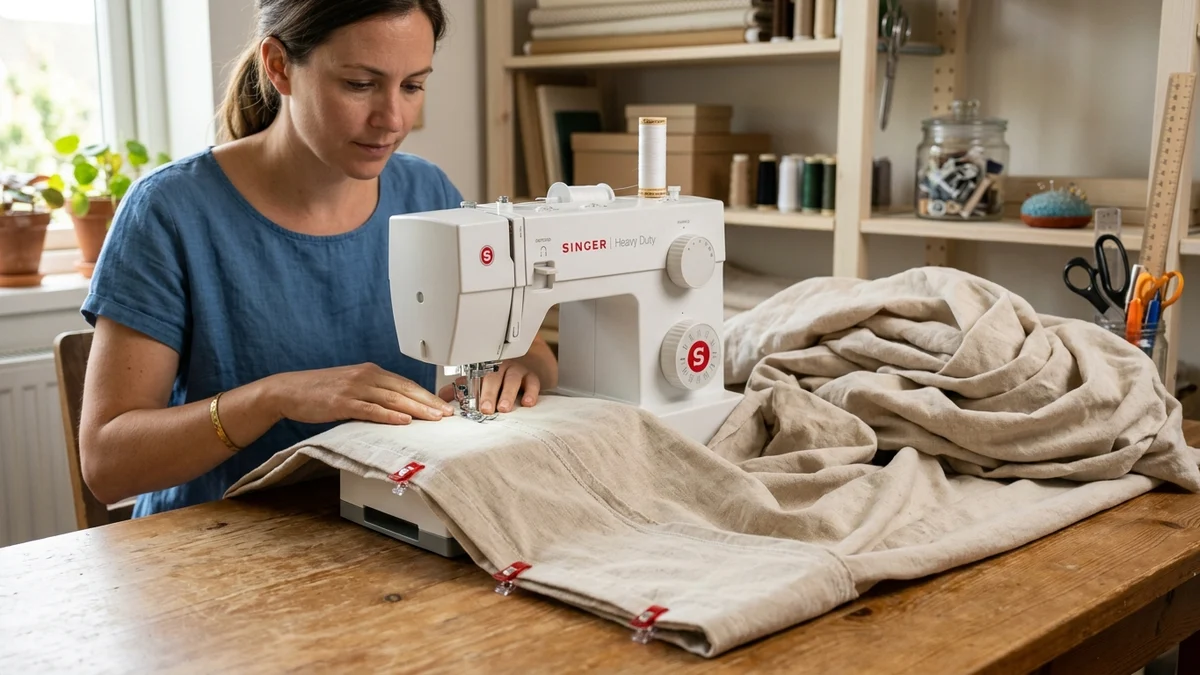
Maneuvering bulky bedspreads, curtains, and winter coats requires an expansive, completely flat sewing surface around the needle plate. Dropping your sewing machine into a specialized recess—or fitting it with a transparent custom acrylic extension bed—prevents heavy fabrics from bunching or dragging off the edge. This seamless flat plane ensures steady tension, straight topstitching, and effortless fabric feeding, even during your largest home decor and quilting marathons.
14. Wall-Mounted Modular Craft Pegboard with Scissor and Tool Racks
Take vertical organization to the next level by combining slotted wooden dowels, brass s-hooks, and acrylic bins on an expansive wall panel. Grouping your specialized scissors—fabric shears, pinking shears, embroidery snips, and paper scissors—prevents dulling accidents and keeps your sharpest blades suspended safely away from clutter. Adding shallow shelves along the board gives you space to display charming vintage thimbles, measuring tins, and small potted plants that breathe fresh life into your workspace.

15. Tiered Clear Notion Drawers and Spool Organizing Station
Nothing breaks creative flow faster than hunting through disordered bins for a matching zipper pull or specific hand-sewing needle. Multi-tiered organizer towers with clear, transparent sliding compartments keep closures, snap fasteners, hook-and-eyes, and bias tapes categorized by color and gauge. Pairing drawer units with color-coordinated bobbin clips that attach directly to matching thread spools eliminates matching guesswork, allowing you to dive straight into your creative projects with total confidence.
Designing Your Personal Sewing Sanctuary
Creating an organized, inspiring sewing studio does not require a massive budget or an expansive footprint—it simply demands intentional layout planning and smart vertical storage. By establishing an ergonomic workflow triangle between your cutting table, sewing machine, and pressing station, you eliminate wasted motion and physical strain during intense creative sessions. Integrate warm lighting, tactile fabric displays, and personalized mood boards to ensure your room feels as welcoming as it is functional. As you implement these 15 sewing room ideas, your space will become an organized, empowering haven that invites you to dream, design, and create with confidence.
Frequently Asked Questions About Sewing Room Organization
What is the ideal height for a sewing cutting table?
The standard ergonomic height for a cutting table is between 35 and 38 inches (kitchen counter height). This prevents continuous lower back bending while using rotary cutters, ensuring you can cut fabric comfortably for hours.
How do I organize a small sewing space without visual clutter?
Leverage vertical wall storage with pegboards, utilize rolling multi-tier carts that tuck into closets, and fold fabrics around mini-bolts so they stand upright like books on shelves instead of in messy stacks.
What type of lighting is best for sewing and quilting?
Combine warm ambient general lighting with crisp 5000K daylight-spectrum task lamps right at the needle plate. High Color Rendering Index (CRI 90+) bulbs help you distinguish subtle fabric shades and matching thread tones accurately.