For many homeschooling families, the living room is the true beating heart of the home—a central gathering space where stories are shared, projects come alive, and daily life unfolds. You do not need a dedicated, isolated schoolroom to provide an enriching educational environment; integrating a homeschool space directly into your living room can cultivate a warm, cohesive atmosphere that welcomes curiosity while keeping your family connected. The challenge lies in balancing the cozy, relaxing aesthetic of a shared living space with the functional organization needed for prolonged academic focus. By implementing clever layout zones, multi-purpose furniture, streamlined supply storage, and sensory-friendly comfort touches, you can create a high-functioning learning haven that supports deep productivity by day and seamlessly resets into a serene family room by night. Here are 15 inspiring ideas to transform your living room into a cozy homeschool sanctuary.
Dedicated Workstation
1. A Corner Nook Dedicated to a Small Study Table
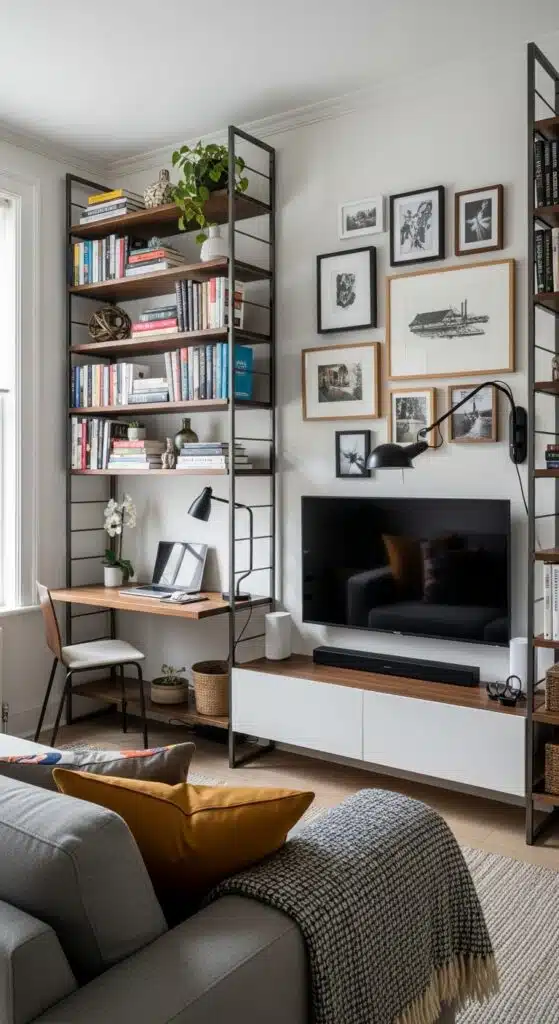
Carving out an unused corner of your living room establishes a permanent psychological anchor for focused daily learning. Placing a compact, child-sized wooden desk or a slender console table diagonally across from high-traffic zones creates an intimate micro-classroom without dominating the entire room. This setup separates playtime on the sofa from school hours, helping children transition mentally into focus mode. Choose a desk with built-in shallow drawers to store active workbooks out of sight, and face the workstation away from the main television screen to minimize visual distractions.
 Integrated Storage
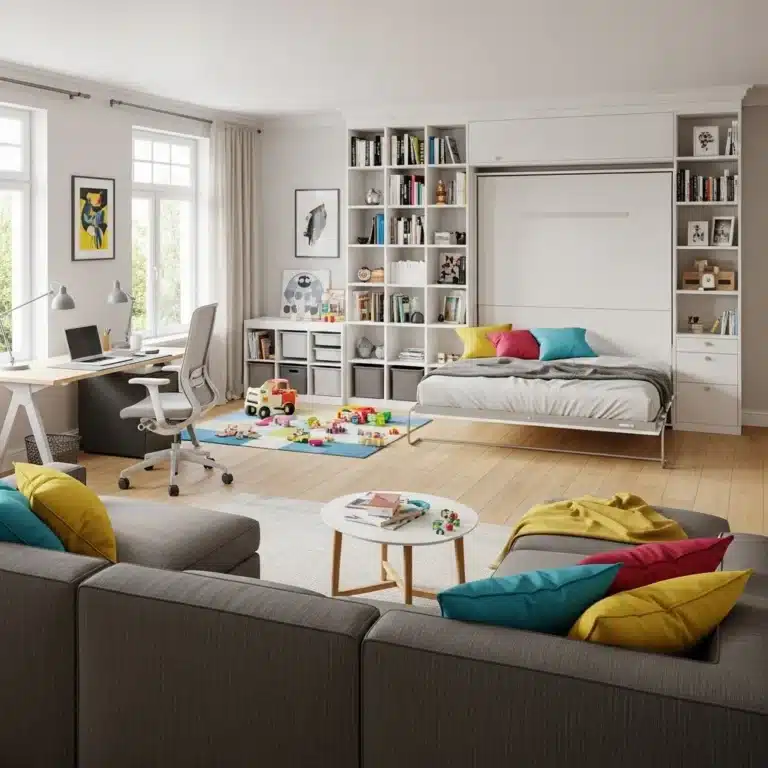
2. A Bookshelf Wall Doubling as a Learning Resource Library
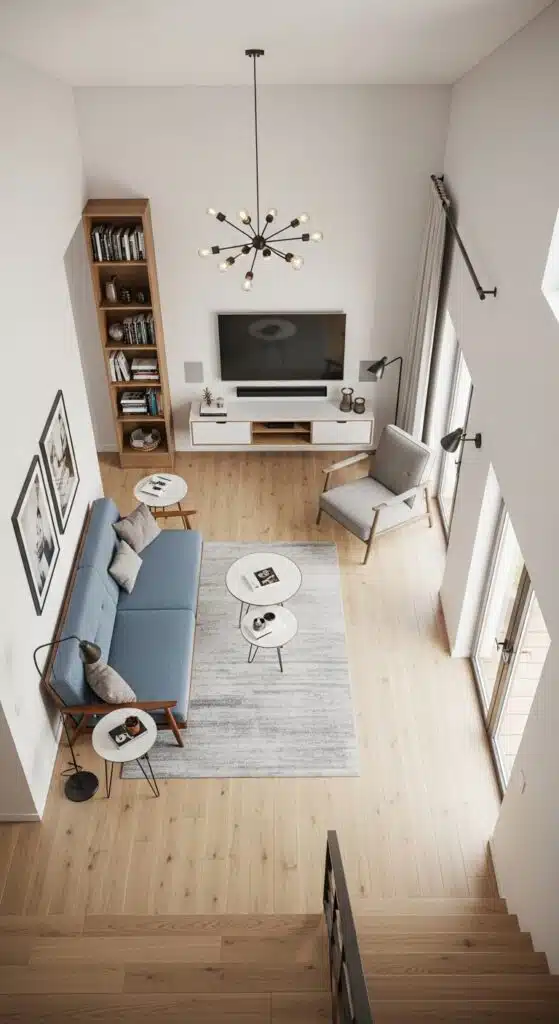
Rather than treating school supplies like clutter that must be hidden away, integrating floor-to-ceiling bookshelves transforms learning materials into an attractive design feature. Dedicating the lower shelves to toddler-height manipulatives, picture books, and daily subject binders allows easy student access, while upper shelves display decorative vases, potted plants, and reference encyclopedias. This shared vertical storage honors your family's educational commitment while maintaining a sophisticated, styled living room aesthetic. Group books by color or spine tone to maintain a curated, cohesive visual rhythm.
 Spatial Definition
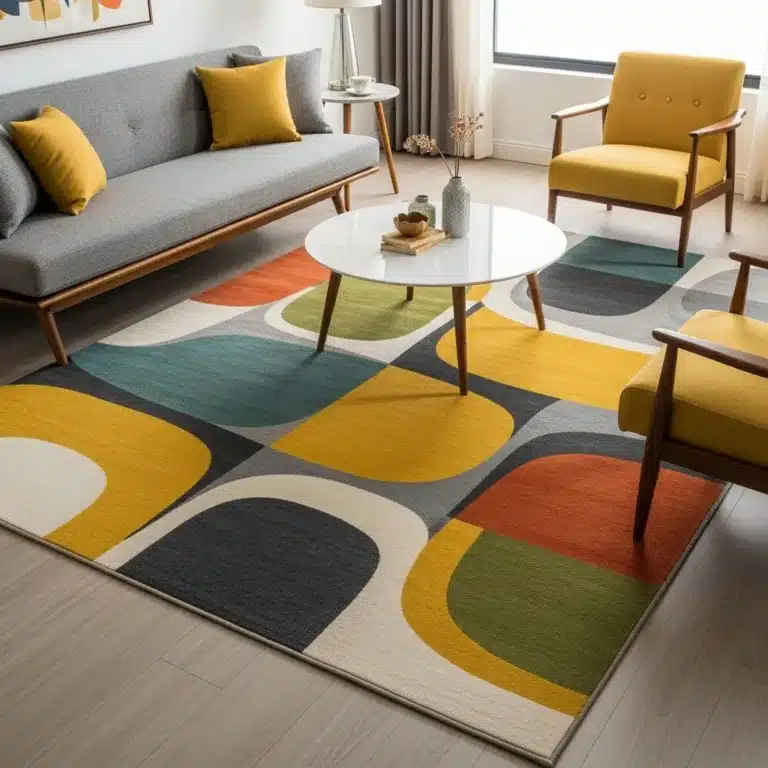
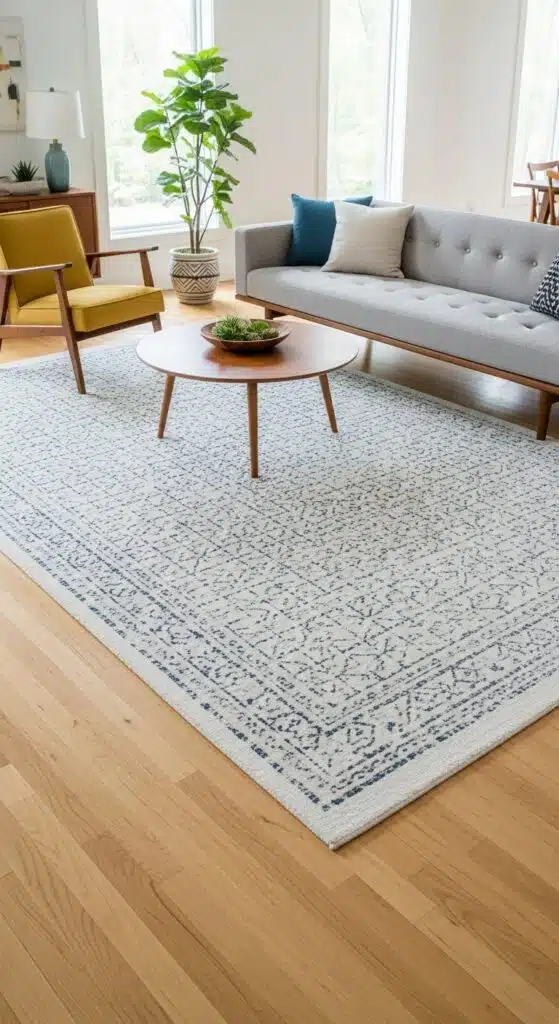
3. A Cozy Rug to Define the Homeschool Zone within the Living Room
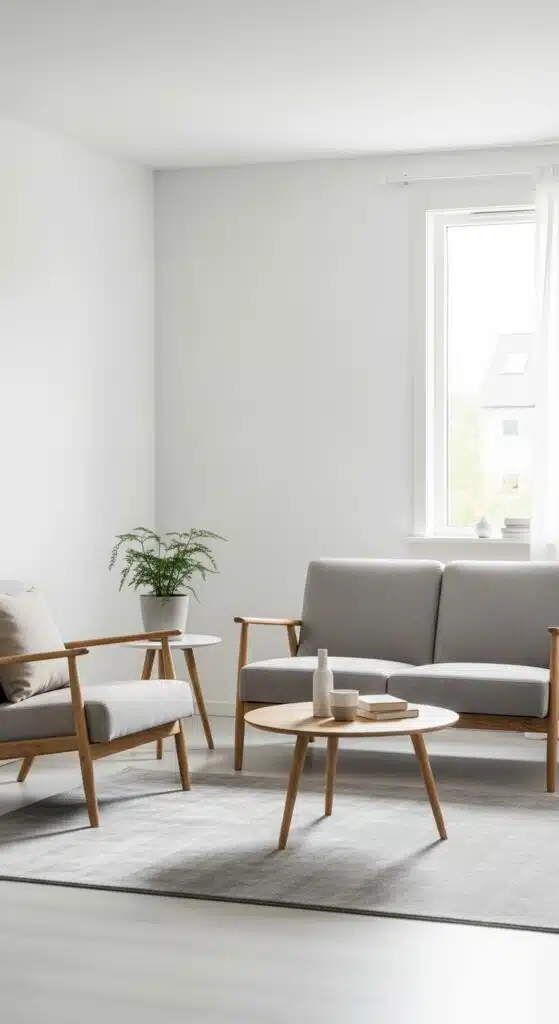
In an open-concept living area, visual boundaries are crucial for creating a sense of structure without erecting physical walls. An inviting textured wool or low-pile patterned area rug clearly defines the homeschool perimeter, designating that specific floor zone for focused learning. Rugs also provide essential acoustic dampening, absorbing pencil scratches, chair scraping, and read-aloud voices so the rest of the household isn't overwhelmed. Choose a stain-resistant, washable flatweave rug in a soft botanical or geometric print that complements your existing living room furniture palette.
 Flexible Comfort
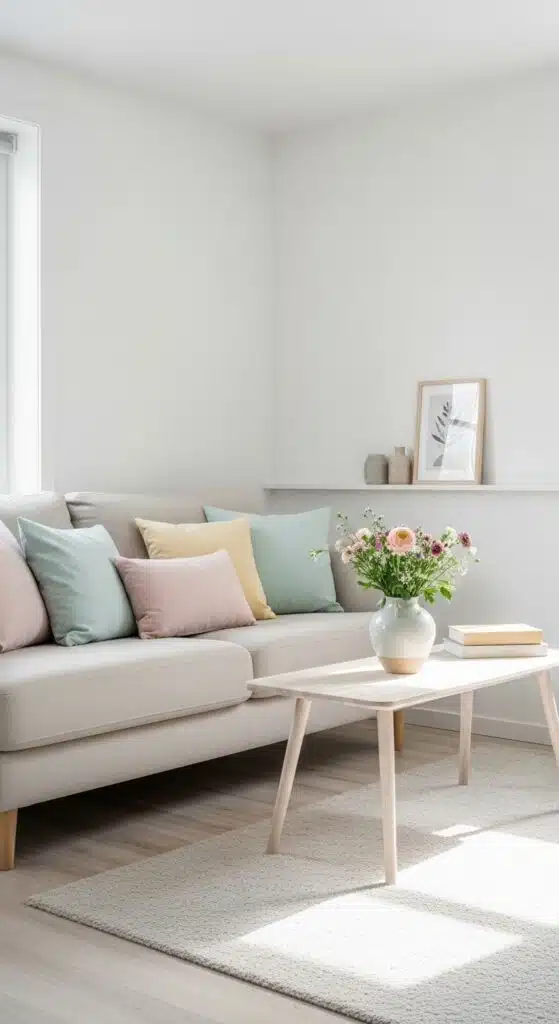
4. A Comfortable Floor Cushion Area for Younger Learners
Young children rarely thrive when forced to sit rigidly at traditional desks for hours on end. Introducing oversized floor poufs, meditation cushions, or a plush memory-foam floor mat invites dynamic postures that keep growing bodies comfortable during storytime and phonics games. Floor-based learning supports natural stretching, gross motor comfort, and tactile engagement that boosts cognitive retention. Choose floor cushions with removable, machine-washable velvet or heavy linen slipcovers in warm earth tones that look right at home alongside living room throw pillows.
 Clutter-Free System
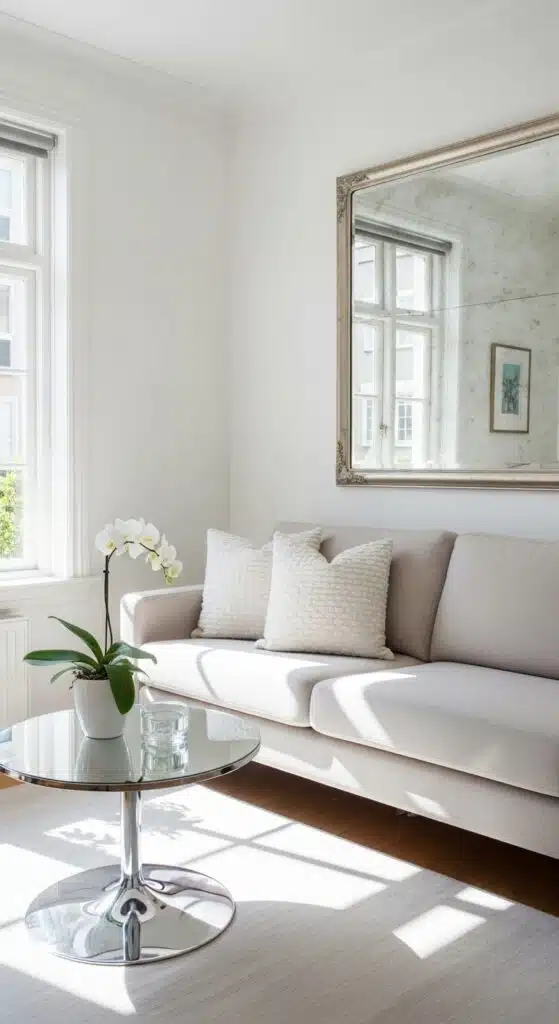
5. Labeled Storage Bins for Organized School Supplies
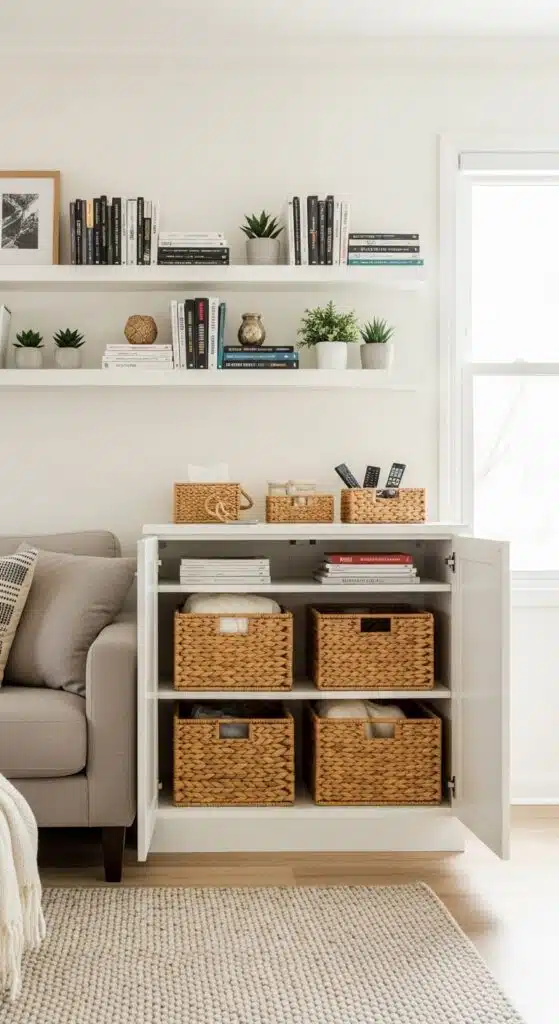
Visible clutter is the primary culprit that causes homeschool spaces to feel chaotic inside a shared family room. Utilizing matching woven canvas, felt, or seagrass storage baskets equipped with wooden engraved tags or picture labels allows every supply—from watercolors to math manipulatives—to have an intuitive home. When the school day ends, children can rapidly participate in a 5-minute tidy-up routine, sliding all materials into shelving units so the room seamlessly transitions back into an adult relaxation lounge.
 Visual Teaching
6. A Wall-Mounted Whiteboard or Chalkboard for Lessons
A vertical teaching surface brings dynamic classroom interactivity into the comfort of your living room. Framing a large magnetic whiteboard or slate chalkboard inside a custom rustic timber or gilded vintage frame elevates it from an eyesore into sophisticated wall decor. Wall-mounted boards allow parents to diagram math problems, write daily schedules, and showcase spelling lists at eye level. At the conclusion of the school week, wipe the board clean and write a welcoming family quote or seasonal illustration to return the room to weekend mode.
 Circadian Focus
7. Warm, Natural Lighting Positioned for Daytime Study
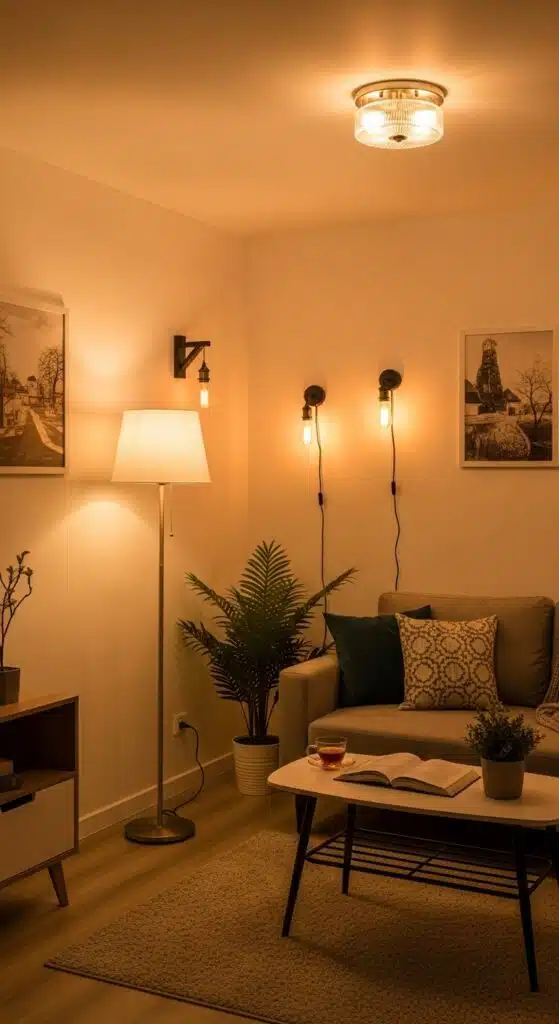
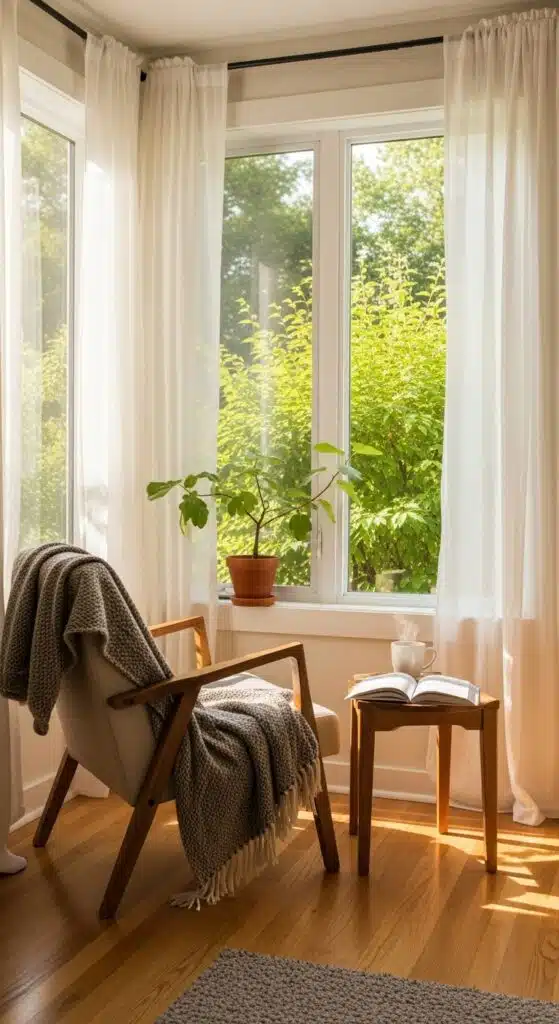
Positioning your homeschool workstation adjacent to large living room windows floods study surfaces with uplifting natural daylight. Natural illumination reduces digital eye strain, boosts daytime alertness, and helps regulate children's natural circadian rhythms for better nighttime rest. Layer window treatments with sheer linen drapes that diffuse direct glare onto tablet screens while maintaining bright, airy ambient light. Complement window light with a warm 3000K adjustable brass task lamp on the desktop for cloudy winter afternoons.
 Space-Saving Genius
8. A Fold-Down Desk That Tucks Away When Not in Use
For smaller living rooms where floor real estate is at a premium, a wall-mounted fold-down floating desk is the ultimate functional compromise. Unlatching the front panel provides a sturdy, child-height desk surface complete with internal slots for pencils, notebooks, and tablets. Once afternoon lessons conclude, the desk folds flush against the wall, instantly vanishing into sleek cabinet architecture. Look for solid hardwood construction equipped with heavy-duty pneumatic hinges and safety latches to ensure safe, stable everyday usage.
 Literacy Sanctuary
9. A Reading Corner with a Cozy Chair for Independent Learning
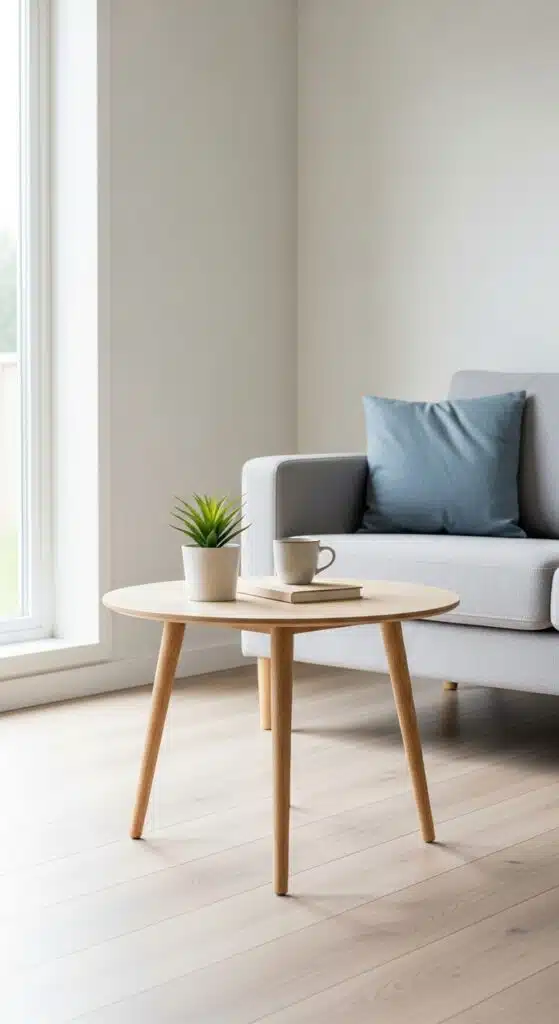
Every productive homeschool environment needs a quiet retreat for deep, immersive reading. Upgrading an existing living room armchair with an ergonomic lumbar pillow, a soft chunky knit throw blanket, and a freestanding gooseneck reading lamp creates an irresistible book sanctuary. Children can transition away from desks to curl up with independent chapter books or history readers in ergonomic comfort. Position a small wooden side table next to the chair to hold audiobooks, headphones, and a comforting warm cup of tea.
 Mobile Organization
10. A Rolling Cart for Flexible, Movable School Supplies
A three-tier steel or timber utility cart is arguably the most versatile piece of homeschool furniture you can own. Stocking the tiers with mason jars for markers, binders for current curriculum, and bins for science kits provides complete mobile flexibility. Roll the cart to the central coffee table for collaborative group projects, move it toward the window for independent desk work, and wheel it into an adjacent hallway closet or pantry when hosting weekend guests.
 Inspiring Wall Art
11. A World Map or Educational Wall Art Feature
Educational wall decor can be both pedagogically rich and visually stunning. Instead of laminated neon commercial charts, opt for a vintage watercolor world map, framed botanical anatomy prints, or an oversized canvas planetary diagram in muted earth tones. These sophisticated educational prints spark organic dinner-table discussions about geography and history while harmonizing with your living room's artistic color scheme. Hang prints inside matching natural oak or walnut gallery frames to maintain cohesive styling.
 Celebrating Milestones
12. A Small Bulletin Board for Displaying Schoolwork
Celebrating your child's academic achievements and artwork builds tremendous self-esteem and pride in daily efforts. A natural cork bulletin board wrapped in warm linen or a modern metal wire grid display provides a designated gallery space for weekly spelling tests, watercolor paintings, and certificates. Limiting display space to a tidy frame prevents refrigerator clutter and teaches children to curate their favorite milestone pieces. Rotate artwork monthly to keep the display fresh, dynamic, and inspiring.
 Flexible Posture
13. Layered Seating Options for Different Learning Activities
One of the greatest benefits of homeschooling is the freedom from rigid desk-bound days. Providing a variety of seating tiers throughout your living room—including ergonomic desk chairs for handwriting, soft floor cushions for group math drills, and the family sofa for read-alouds—honors diverse sensory and postural needs. Allowing children to choose where they work based on the task at hand improves endurance, decreases fidgeting, and fosters genuine enthusiasm for learning.
 Tech Integration
14. A Charging Station for Tablets and Learning Devices
Modern homeschool curriculums frequently integrate tablets, audio players, and digital science modules. Without an intentional charging plan, messy cables quickly tangle across coffee tables. A clean multi-device docking station concealed inside a wooden organizer box or tucking chargers into an end table drawer keeps digital learning tools powered and organized. Establish a daily routine where devices are plugged in immediately following school hours so they are fully charged and out of sight for family movie night.
 Serene Atmosphere
15. A Calming Color Palette to Support Focus and Comfort
The psychological impact of your living room's color palette plays a profound role in learning endurance and emotional regulation. Choosing muted, nature-inspired tones—such as warm oatmeal, soft eucalyptus sage, pale sky blue, and creamy travertine—reduces sensory overstimulation compared to jarring primary colors. These tranquil hues create an atmosphere of stillness that invites prolonged concentration during challenging lessons. Layer in warm tactile textures like wool, boucle, and raw timber to ensure the room feels deeply comforting and restful.
Cultivate a Space That Grows with Your Family
Creating a successful living room homeschool environment is not about replicating a rigid institutional classroom; it is about honoring the unique rhythms, passions, and developmental stages of your children within the comfort of home. As your students mature from early picture books to advanced research projects, their seating, tech, and storage requirements will naturally evolve. The most effective homeschool setups remain flexible, forgiving, and deeply comfortable, adapting fluidly to each academic season. By blending smart organization with cozy textures, inspiring art, and dedicated workstations, you establish an environment where education and family living harmoniously enrich one another. Embrace this creative process, and build an inviting living room homeschool haven that nurtures lifelong learners.