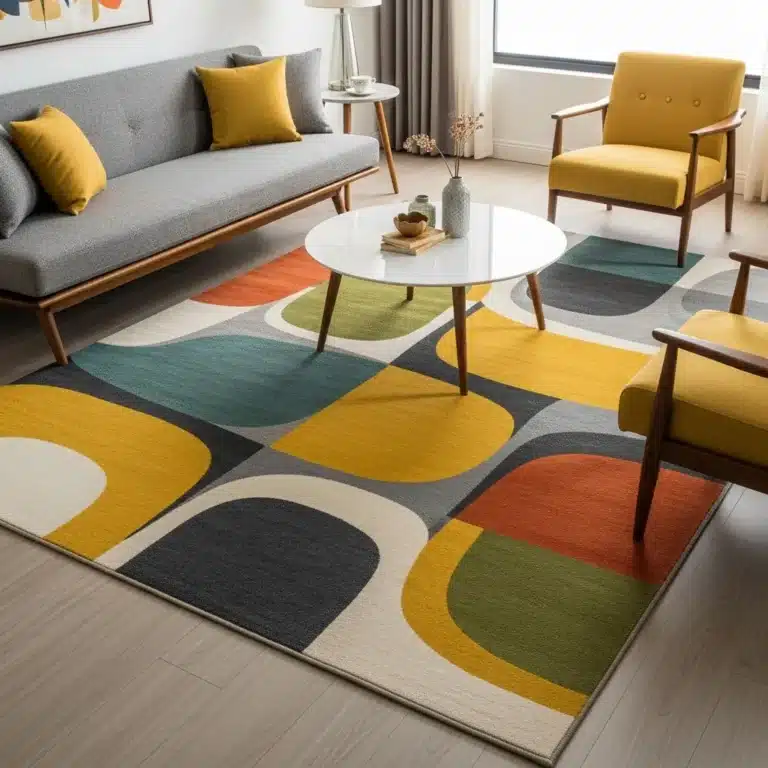
1. A Corner Nook Dedicated to a Small Study Table
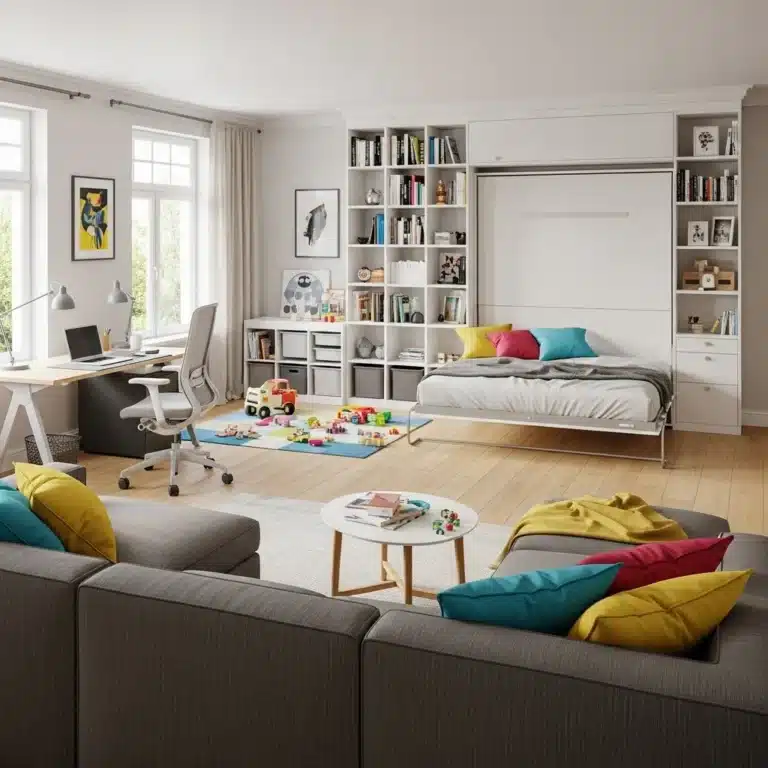
Carving out an unused corner of your living room establishes a permanent psychological anchor for focused daily learning. Placing a compact, child-sized wooden desk or a slender console table diagonally across from high-traffic zones creates an intimate micro-classroom without dominating the entire family room. A light natural wood finish—such as honey oak, birch, or blonde ash—pairs effortlessly with existing living room furniture while defining a dedicated workspace where children feel valued and ready to learn.
Design & Styling Tip: Pair the study table with a chair that offers proper ergonomic foot and lumbar support, ensuring children remain physically comfortable through extended handwriting and reading sessions.
2. A Bookshelf Wall Doubling as a Learning Resource Library

Rather than treating school supplies like clutter that must be hidden away, integrating floor-to-ceiling bookshelves transforms learning materials into an attractive design feature. Dedicating the lower shelves to toddler-height manipulatives, picture books, and daily subject binders allows easy student access and independence. Meanwhile, styling the upper shelves with decorative ceramic vessels, potted trailing plants, and mature family literature preserves a refined, sophisticated living room look.
Design & Styling Tip: Group homeschool books by spine color or store mismatched workbooks inside neutral linen magazine holders to keep shelves looking calm and beautifully curated.
3. A Cozy Rug to Define the Homeschool Zone within the Living Room
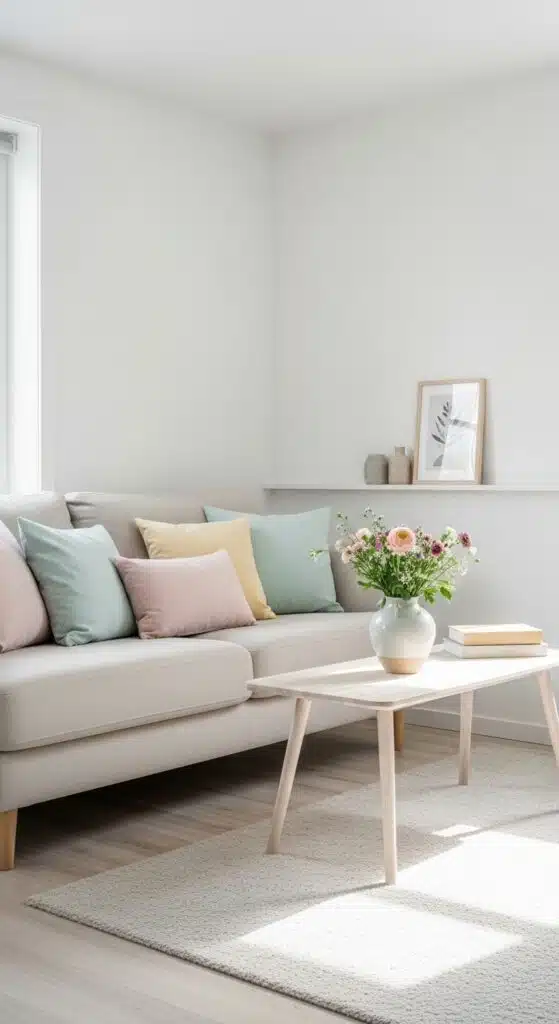
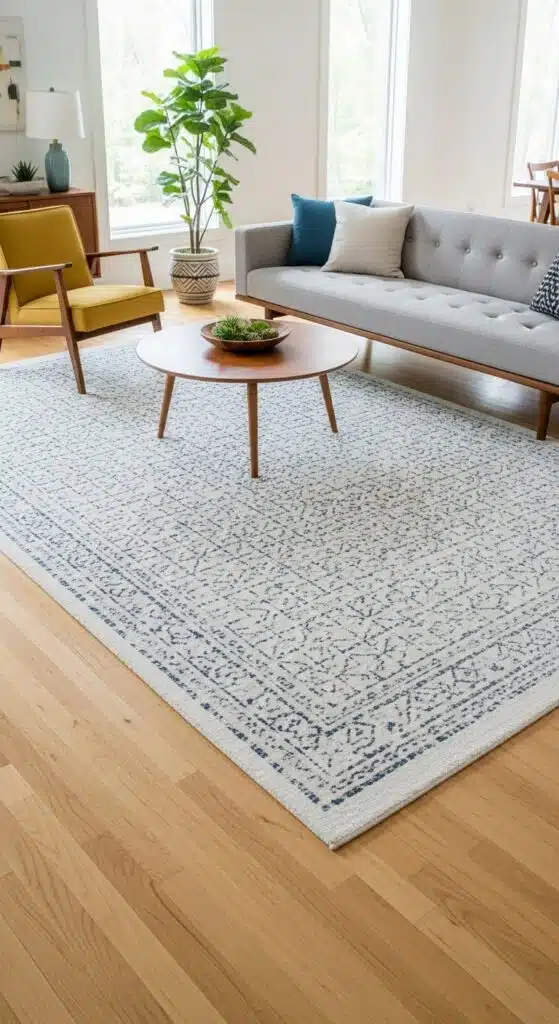
In an open-concept living area, visual boundaries are crucial for creating a sense of structure without erecting physical walls. An inviting textured wool or low-pile patterned area rug clearly defines the homeschool perimeter, designating that specific floor zone for focused learning. Rugs also provide essential acoustic dampening, softening the sound of dropped pencils, enthusiastic read-alouds, and playful math games across hardwood floors.
Design & Styling Tip: Choose an easy-care, washable rug in a warm neutral palette featuring subtle geometric or vintage floral patterns that naturally conceal minor spills and crayon scuffs.
4. A Comfortable Floor Cushion Area for Younger Learners
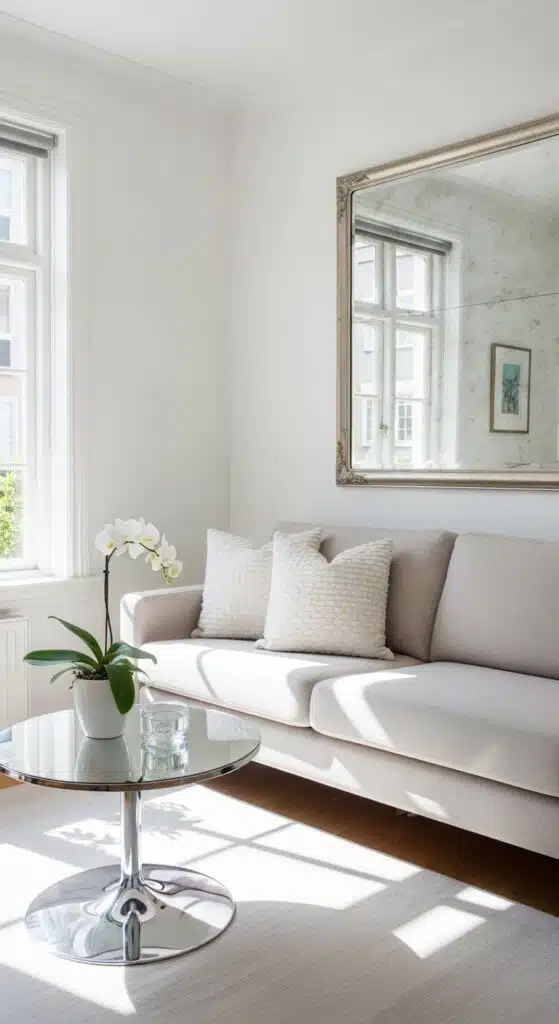
Young children rarely thrive when forced to sit rigidly at traditional desks for hours on end. Introducing oversized floor poufs, meditation cushions, or a plush memory-foam floor mat invites dynamic postures that keep growing bodies comfortable during storytime and phonics games. Floor-based learning zones encourage relaxed sensory grounding, allowing young students to stretch out, build with geometric blocks, and explore tactile materials freely.
Design & Styling Tip: Select washable linen or velvet cushion covers in earthy tones that complement your living room sofa, keeping the aesthetic organic and inviting.
5. Labeled Storage Bins for Organized School Supplies
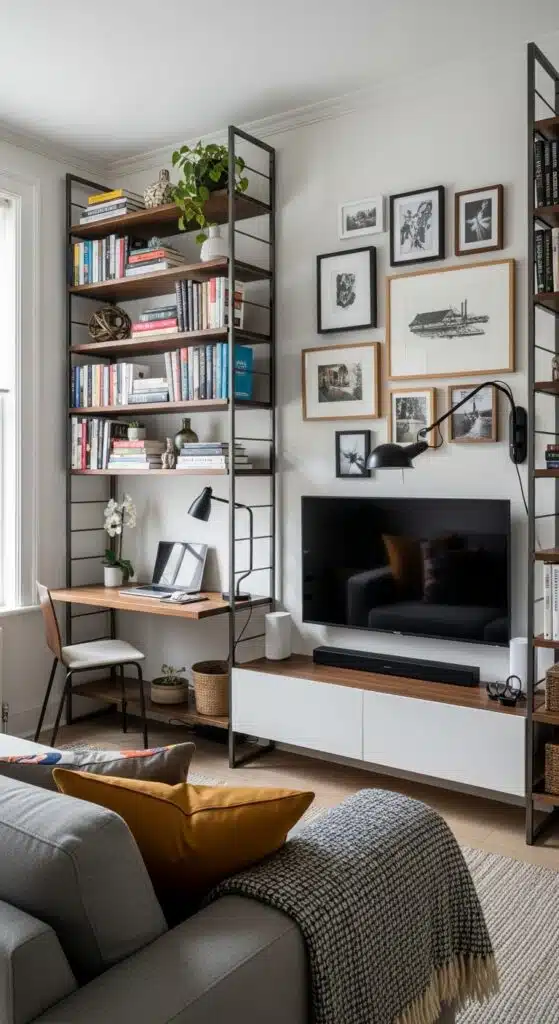
Visible clutter is the primary culprit that causes homeschool spaces to feel chaotic inside a shared family room. Utilizing matching woven canvas, felt, or seagrass storage baskets equipped with wooden engraved tags or picture labels allows every supply—from watercolors to math manipulatives—to have a designated home. When materials are intuitively labeled, children can easily locate what they need independently and participate enthusiastically in quick 5-minute cleanup routines.
Design & Styling Tip: Use uniform baskets on low open shelving to turn functional organization into an aesthetically pleasing texture element that enriches the room.
6. A Wall-Mounted Whiteboard or Chalkboard for Lessons
A vertical teaching surface brings dynamic classroom interactivity into the comfort of your living room. Framing a large magnetic whiteboard or slate chalkboard inside a custom rustic timber or gilded vintage frame elevates it from an eyesore into sophisticated wall decor. Wall-mounted boards allow for large-scale math explanations, daily schedule overviews, and student presentations without sacrificing valuable floor space.
Design & Styling Tip: Look for a porcelain magnetic board framed in solid unvarnished oak; it functions as a durable lesson canvas while echoing natural wood finishes throughout your living space.
7. Warm, Natural Lighting Positioned for Daytime Study
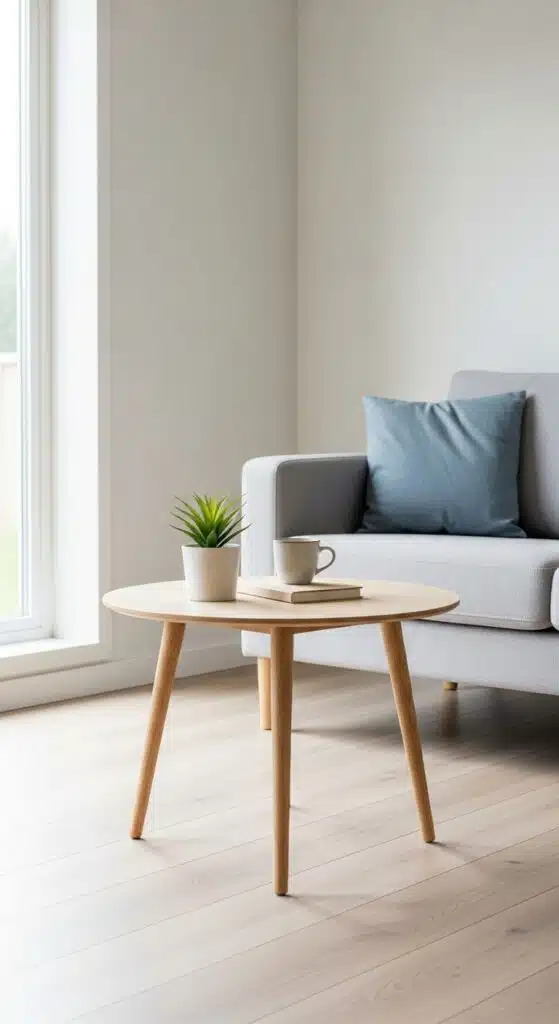
Positioning your homeschool workstation adjacent to large living room windows floods study surfaces with uplifting natural daylight. Natural illumination reduces digital eye strain, boosts daytime alertness, and helps regulate children's natural circadian rhythms for better nighttime rest. Layer window placement with an adjustable brass or matte black desk lamp to provide warm, glare-free directional task lighting on overcast mornings.
Design & Styling Tip: Install sheer linen curtains that diffuse direct glare during peak midday hours while maintaining a bright, cheerful ambience in the learning zone.
8. A Fold-Down Desk That Tucks Away When Not in Use
For smaller living rooms where floor real estate is at a premium, a wall-mounted fold-down floating desk is the ultimate functional compromise. Unlatching the front panel provides a sturdy, child-height desk surface complete with internal slots for pencils, notebooks, and tablets. Once afternoon lessons conclude, the desktop folds cleanly against the wall, instantly restoring your living room's open, uncluttered flow.
Design & Styling Tip: Choose a fold-down secretary desk crafted from warm walnut or painted in a tonal shade matching your living room wall color for seamless visual integration.
9. A Reading Corner with a Cozy Chair for Independent Learning
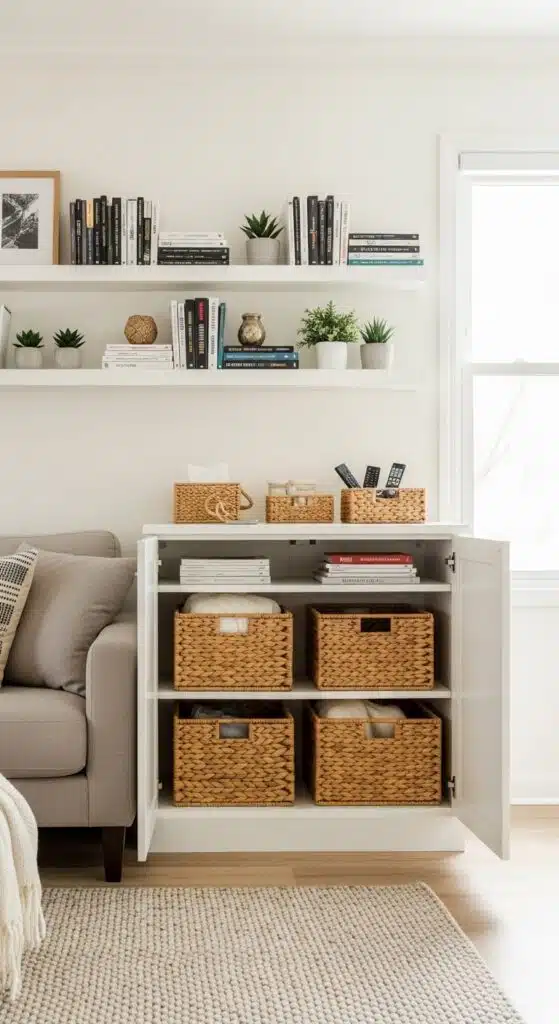
Every productive homeschool environment needs a quiet retreat for deep, immersive reading. Upgrading an existing living room armchair with an ergonomic lumbar pillow, a soft chunky knit throw blanket, and a freestanding gooseneck reading lamp creates an irresistible book sanctuary. Children can transition here for literature assignments, poetry studies, or quiet history reads away from the bustle of the main table.
Design & Styling Tip: Place a small rattan basket or low wooden stool next to the chair to hold current book selections and a warm cup of herbal tea.
10. A Rolling Cart for Flexible, Movable School Supplies
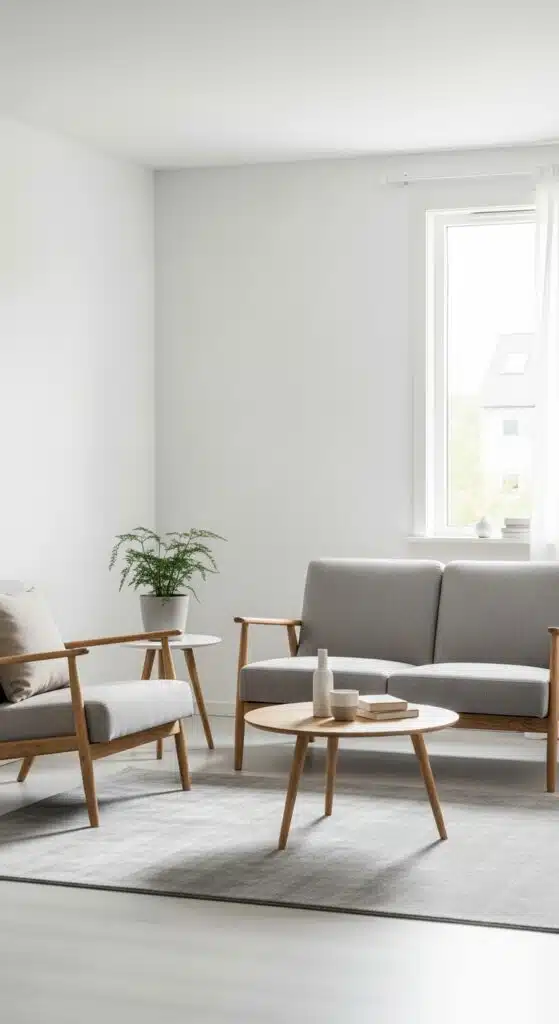
A three-tier steel or timber utility cart is arguably the most versatile piece of homeschool furniture you can own. Stocking the tiers with mason jars for markers, binders for current curriculum, and bins for science kits provides complete mobile flexibility. Roll the cart to the central coffee table or window nook during lesson hours, then effortlessly glide it into a nearby closet or corner when school is dismissed.
Design & Styling Tip: Choose a cart in matte black, warm brass, or soft off-white to coordinate harmoniously with your living room hardware and furniture accents.
11. A World Map or Educational Wall Art Feature
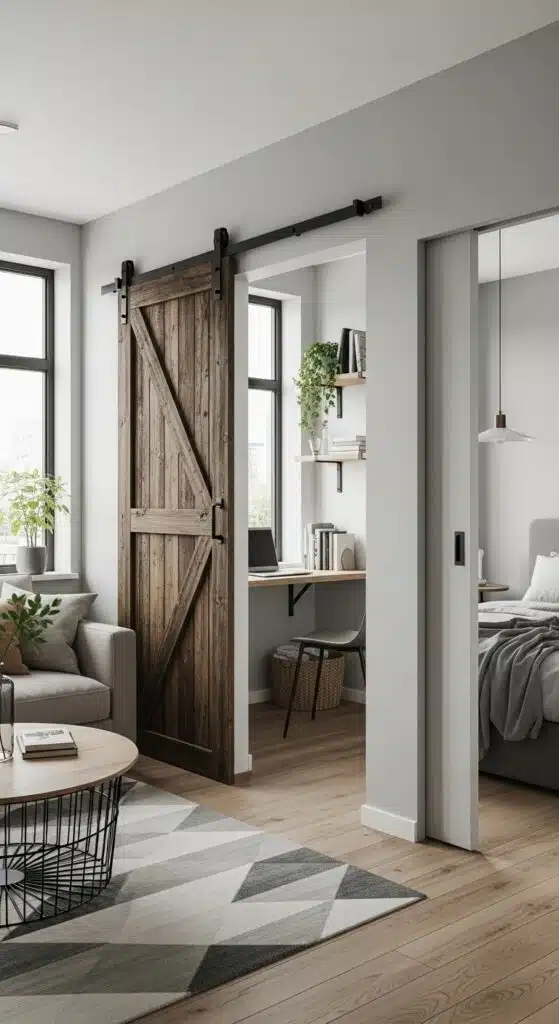
Educational wall decor can be both pedagogically rich and visually stunning. Instead of laminated neon commercial charts, opt for a vintage watercolor world map, framed botanical anatomy prints, or an oversized canvas planetary diagram in muted earth tones. These sophisticated educational prints spark organic geographical discussions and curiosity while blending seamlessly with gallery wall art.
Design & Styling Tip: Frame large maps with thin oak moulding or suspend canvas tapestries using magnetic wooden poster hanger bars for an artisanal, designer feel.
12. A Small Bulletin Board for Displaying Schoolwork
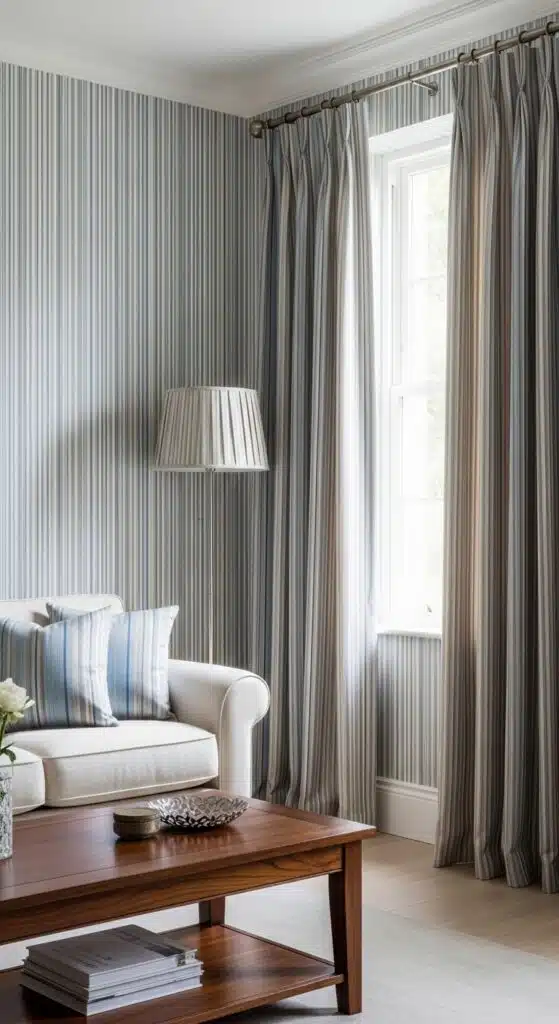
Celebrating your child's academic achievements and artwork builds tremendous self-esteem and pride in daily efforts. A natural cork bulletin board wrapped in warm linen or a modern metal wire grid display provides a designated gallery space for weekly spelling tests, watercolor paintings, and certificates of completion. Rotating student work regularly keeps the learning area dynamic, celebrated, and deeply personal.
Design & Styling Tip: Wrap standard cork boards in textured unbleached linen fabric and secure pieces with wooden pushpins or brass clips to keep the display looking elevated.
13. Layered Seating Options for Different Learning Activities
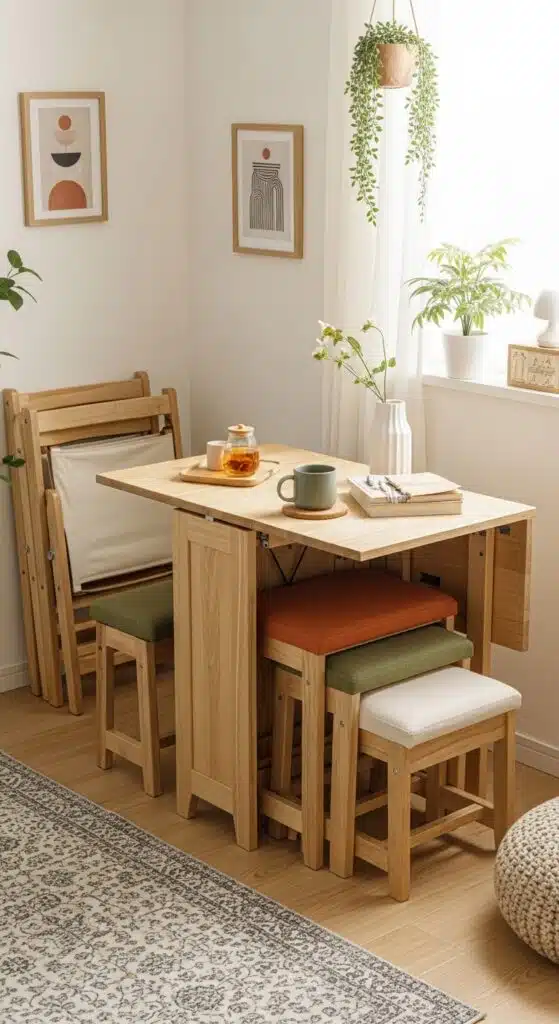
One of the greatest benefits of homeschooling is the freedom from rigid desk-bound days. Providing a variety of seating tiers throughout your living room—including ergonomic desk chairs for handwriting, soft floor cushions for group math drills, and the family sofa for read-alouds—honors diverse sensory and postural needs. Allowing children to shift postures throughout the morning sustains stamina, improves mental focus, and prevents study burnout.
Design & Styling Tip: Incorporate lightweight upholstered ottomans that provide upright seating during morning basket time and easily double as footrests during family movie nights.
14. A Charging Station for Tablets and Learning Devices
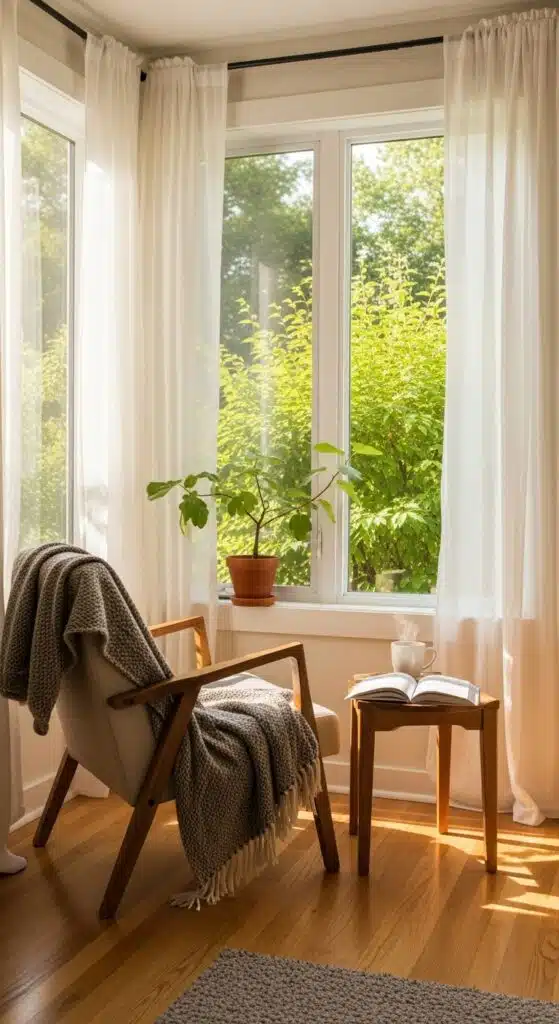
Modern homeschool curriculums frequently integrate tablets, audio players, and digital science modules. Without an intentional charging plan, messy cables quickly tangle across coffee tables. A clean multi-device docking station concealed inside a wooden organizer box or tucking chargers into an end table drawer keeps digital learning tools powered, safe, and completely hidden from view when not in use.
Design & Styling Tip: Route power cables through discreet adhesive cord raceways along baseboards to keep cords protected from curious toddlers and visually out of sight.