10 Hottest Sofa Trends for 2026 to Transform Your Living Room
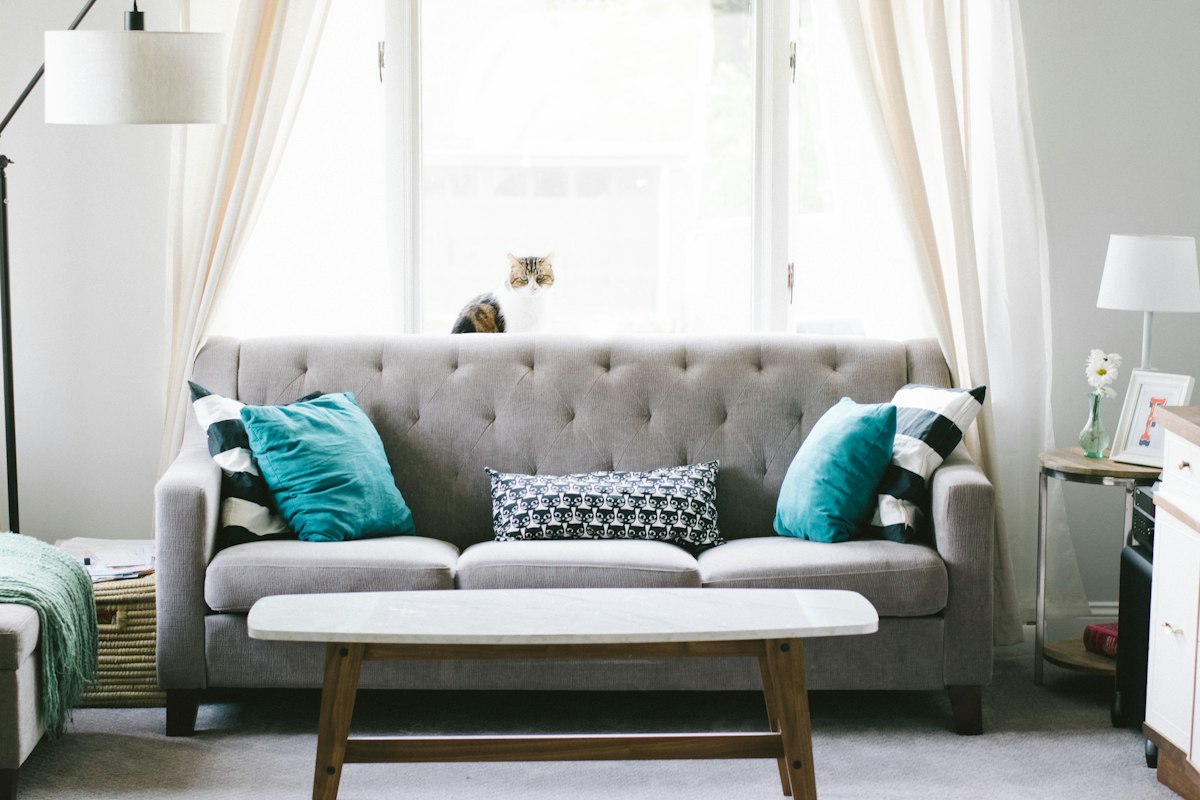
Your sofa is more than just a place to sit. It is often the centerpiece of your living room, the spot where family and friends gather, and one of the most important pieces of furniture for defining your home's overall style. In 2026, sofa design is moving toward a beautiful balance of comfort, personality, thoughtful materials, and timeless appeal.
From sculptural silhouettes and earthy colors to modular seating and luxurious textured fabrics, this year's sofa trends offer something for almost every home. Whether you are decorating a small apartment, refreshing a neutral living room, or creating an elegant designer-inspired space, the right sofa can completely change how your room looks and feels.
The best part? You do not need a huge budget or a complete living room makeover to embrace these trends. Sometimes, choosing a new sofa color, updating your cushions, or rearranging your existing furniture is enough to create a fresh and inviting atmosphere. If you are looking for inspiration before buying your next couch, here are the 10 hottest sofa trends for 2026, along with practical ideas for styling each look in your own home.
1. Curved Sofas with Sculptural Silhouettes
Curved sofas continue to be an appealing choice for homeowners who want their living rooms to feel sophisticated, welcoming, and visually interesting. Unlike traditional straight-backed couches, these designs feature rounded edges, flowing lines, and soft shapes that create a more organic appearance.
In 2026, the appeal of curved furniture is closely connected to a broader preference for interiors that feel comfortable rather than overly rigid. A curved sofa can soften a room filled with rectangular windows, square coffee tables, and straight architectural lines.
Why Curved Sofas Are Trending
Their sculptural shape makes them look like statement furniture even when the surrounding decor is simple. A curved sofa can bring a designer-inspired quality to a neutral living room without requiring lots of decorative accessories. These sofas are particularly attractive in spacious living rooms, open-plan homes, and interiors with contemporary or modern organic styling.
How to Style a Curved Sofa
Choose a curved sofa in cream, warm beige, taupe, or soft olive green for a timeless appearance. Pair it with a rounded coffee table, a textured area rug, and a floor lamp with an interesting silhouette. For a more dramatic look, select a deep burgundy or rich chocolate-brown upholstery and keep the surrounding furniture relatively understated.
One practical consideration is placement. Curved sofas often work best when they have enough room to show off their shape. Before purchasing one, measure your living area carefully and consider how people will move around the seating arrangement.
2. Earthy Brown and Chocolate-Colored Sofas
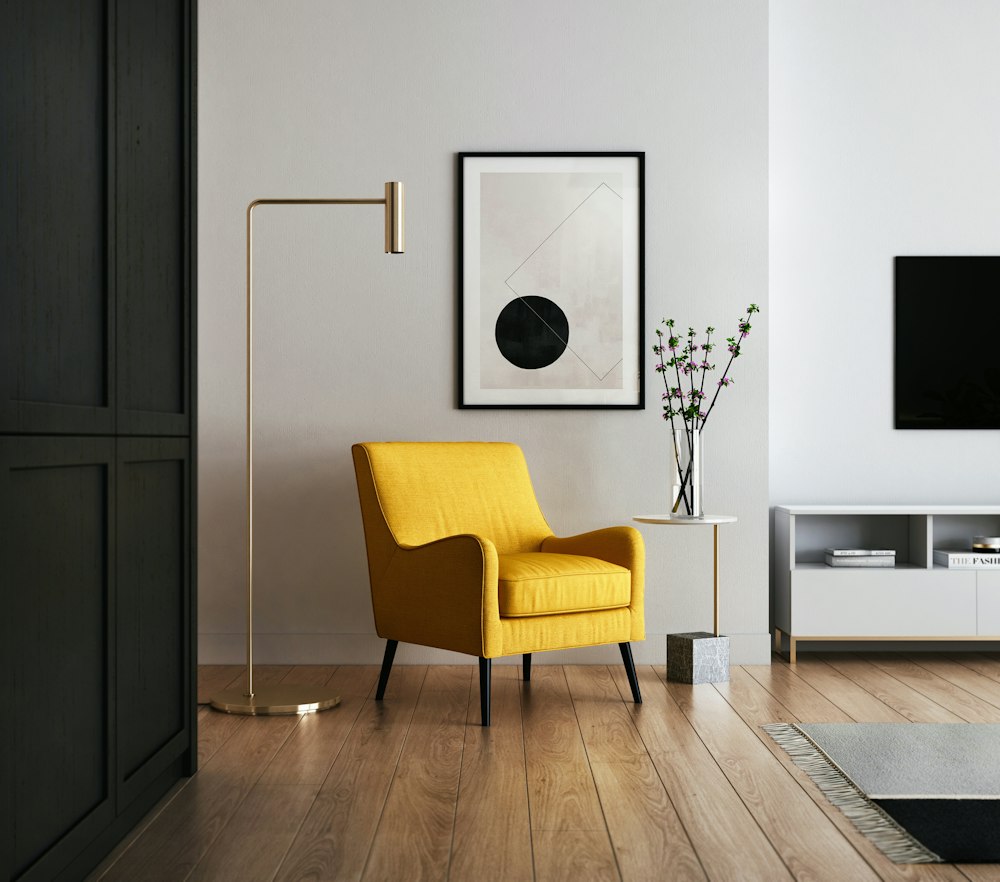
Warm brown sofas are an excellent option for anyone who wants a living room that feels grounded, cozy, and sophisticated. Shades such as chocolate, espresso, caramel, chestnut, and tobacco bring depth to an interior without the starkness of pure black or the maintenance concerns some homeowners associate with very light upholstery.
Earth-inspired interiors have encouraged homeowners to look beyond the familiar gray sofa. Brown offers a rich, versatile alternative that pairs beautifully with natural materials and a wide range of color palettes.
Why Brown Sofas Deserve Attention
Brown works especially well with wood, stone, linen, leather, and woven accessories. It can make a large living room feel more intimate while giving a smaller space a warm and layered appearance when balanced with lighter surroundings. A chocolate-brown sofa can also act as a grounding element in a room decorated with cream walls, pale oak furniture, and natural textiles.
How to Style a Brown Sofa
For an elegant look, combine a chocolate sofa with ivory cushions, a beige throw, and a light-colored rug. Add a wooden coffee table and a ceramic vase to reinforce the natural aesthetic. If you prefer a more colorful interior, try rust, muted mustard, forest green, or dusty blue accents. These colors complement brown without making the room feel overly coordinated.
Leather and leather-look upholstery can give brown sofas a polished, classic character, while velvet and textured woven fabrics create a softer, more contemporary impression. Remember that upholstery color affects the room's overall balance. In a dark living room, introduce mirrors, layered lighting, and lighter accessories to prevent the sofa from visually overwhelming the space.
3. Soft Cream and Warm Neutral Sofas
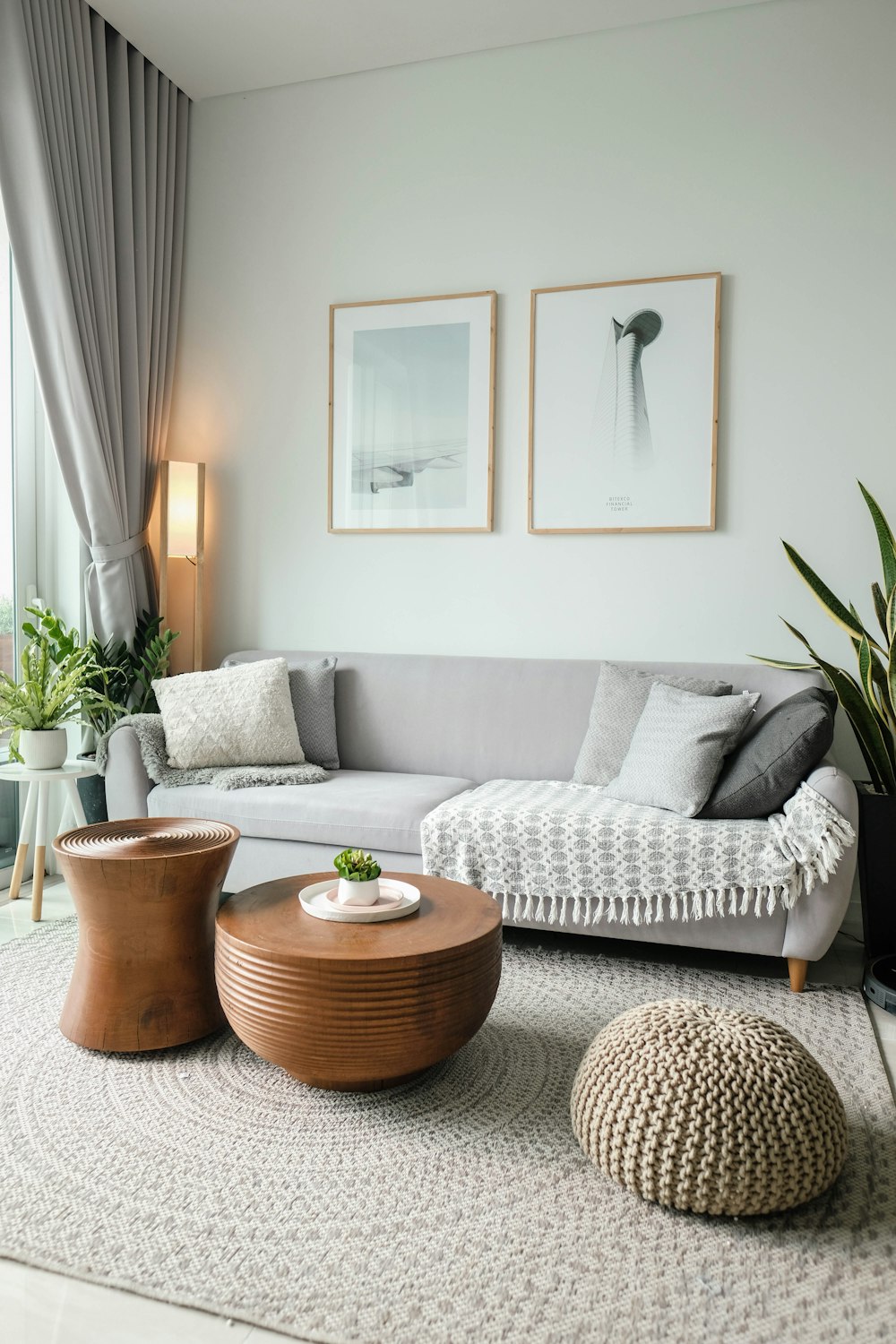
Cream, ivory, oatmeal, and warm beige sofas remain appealing choices for interiors built around simplicity and natural light. These shades provide a versatile foundation that allows homeowners to experiment with seasonal decor, accent colors, and different furniture styles.
Unlike cooler grays, warm neutrals can make a living room feel softer and more inviting. They also work well with both contemporary and traditional furnishings.
Why Warm Neutrals Remain Popular
A neutral sofa is easy to style as your tastes change. You can introduce green cushions in spring, terracotta accents in autumn, or rich burgundy accessories during winter without replacing the main furniture. Neutral upholstery also helps smaller rooms feel visually open, particularly when paired with pale walls and a light-colored rug.
How to Make a Neutral Sofa Look Expensive
The secret is texture. Combine a cream sofa with bouclé cushions, linen curtains, a wool-blend rug, and a wooden or travertine-look coffee table. Choose accessories in slightly different shades rather than matching every item exactly. For example, ivory cushions, a sand-colored throw, and a taupe rug create depth while maintaining a cohesive palette.
If you have children, pets, or a busy household, consider performance upholstery designed for easier cleaning. Removable, washable covers can also make everyday maintenance simpler. Avoid choosing a sofa based on appearance alone. Ask for a fabric sample and inspect it in your home's natural and artificial lighting before making a final decision.
4. Modular Sofas That Adapt to Your Lifestyle
Modular sofas are designed to make seating more flexible. Instead of one fixed shape, they typically consist of separate sections that can be arranged in different configurations, depending on the room and your needs.
This flexibility makes them particularly useful for modern homes, where a living room may need to function as a family lounge, entertainment area, reading space, and occasional guest room.
Why Modular Sofas Are a Smart Choice
A modular sofa can adapt when you move to a new home or rearrange your existing furniture. Some designs allow you to add or remove seats, change the orientation of a chaise, or create separate seating areas. They can also make large open-plan spaces feel more organized by defining the living area without using walls or bulky partitions.
How to Style a Modular Sofa
For a relaxed contemporary look, choose a low-profile modular sofa in beige, warm gray, olive, or brown. Add a large area rug underneath the main seating arrangement to visually anchor the furniture. In a compact apartment, a smaller modular arrangement may provide more flexibility than a traditional oversized sectional. Measure each configuration carefully, including the clearance needed around coffee tables and walkways.
Before buying, check whether the modules connect securely, whether the covers can be removed, and whether replacement components are available. Not every modular sofa is easy to move through narrow hallways or staircases. Check the dimensions of individual sections and your home's entryways before ordering.
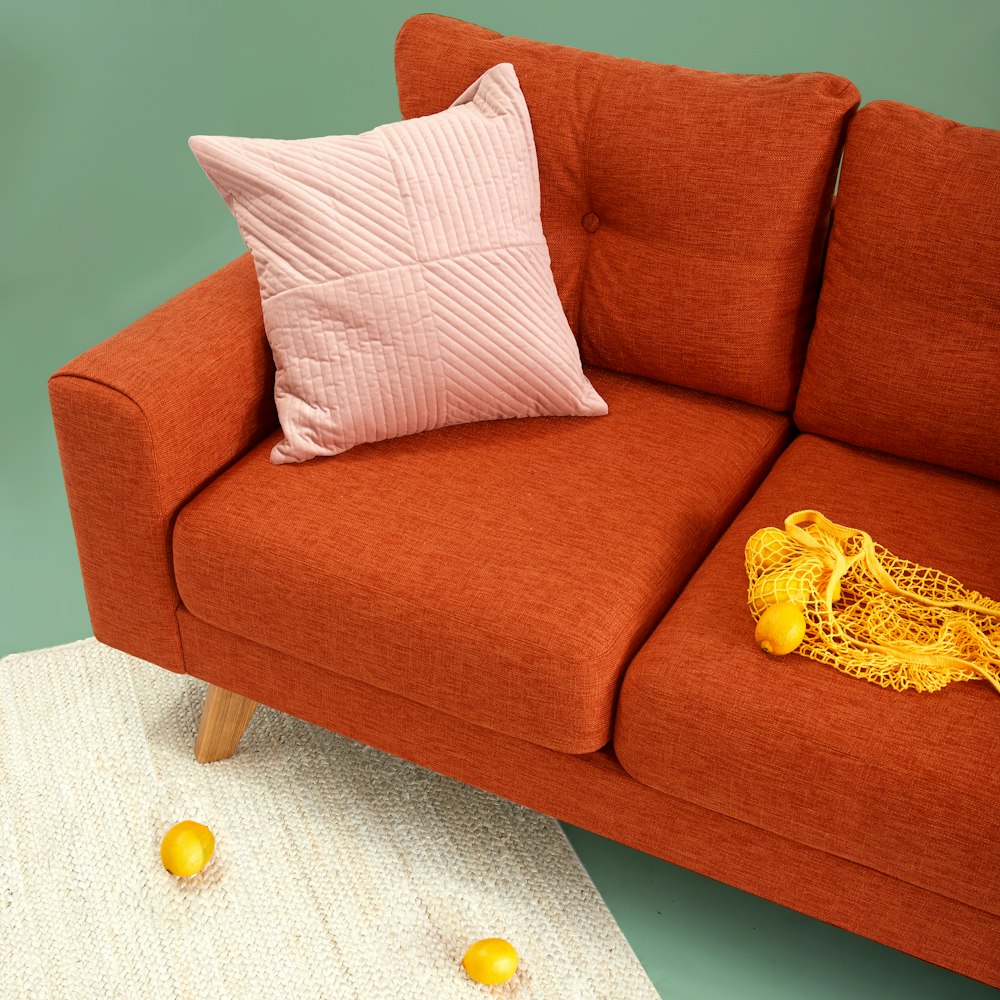
5. Tactile Upholstery: Bouclé, Chenille, and Rich Textures
Texture is one of the easiest ways to make a living room feel more layered and inviting. In 2026, tactile upholstery remains an attractive direction for people who want furniture that looks as comfortable as it feels.
Bouclé, chenille, brushed fabrics, and textured woven materials each bring a different personality to a sofa.
What Makes Textured Sofas Special?
Bouclé features a looped or nubby surface that creates a soft, sculptural appearance. Chenille often has a plush feel and a subtle sheen, while woven upholstery can introduce a more natural, understated finish. These fabrics add visual interest even when you choose a neutral color. A cream sofa with textured upholstery, for example, can look more distinctive than a plain sofa in the same shade.
How to Style Textured Upholstery
Keep the rest of the room balanced by mixing materials. Pair a bouclé sofa with a smooth wooden coffee table, a woven rug, and linen curtains. A chenille sofa can look beautiful with velvet cushions or a knitted throw, provided the textures complement rather than compete with each other.
Consider how the fabric will perform in everyday use. Some textured materials attract lint, trap pet hair, or require specialized cleaning. Check the manufacturer's care instructions and ask about abrasion resistance if the sofa will receive heavy use. For households with pets, tightly woven, easy-clean fabrics may be more practical than delicate looped upholstery.
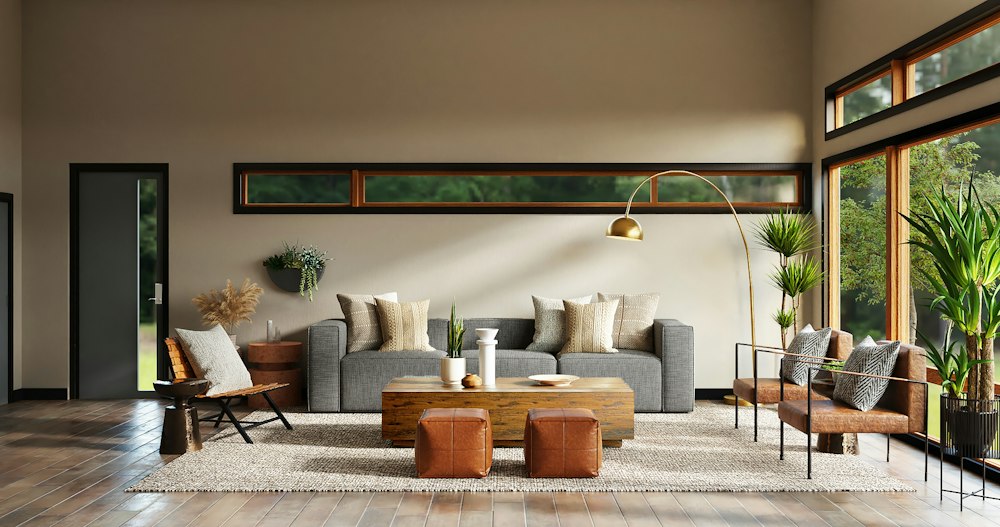
6. Low-Profile Sofas with Relaxed, Contemporary Shapes
Low-profile sofas feature lower seat backs, streamlined frames, and a relaxed visual presence. They can make a room feel less crowded by keeping the furniture closer to the floor and allowing more of the wall to remain visible.
This style works particularly well in contemporary interiors where simplicity, open space, and carefully chosen furniture are important.
Why Low-Profile Designs Appeal to Homeowners
A low sofa can create a calm, architectural look without relying on elaborate details. Paired with simple upholstery and a large rug, it helps the living room feel cohesive rather than cluttered. Many designs also feature broad seats and generous cushions, making them suitable for lounging and casual entertaining.
How to Style a Low Sofa
Choose a sofa with clean lines in warm gray, beige, muted green, or dark brown. Add a low coffee table to maintain the horizontal proportions and use floor lamps or wall lighting to introduce height. To prevent the room from feeling too flat, combine the low furniture with tall curtains, large artwork, or a leafy indoor plant.
Comfort should remain a priority. Low seating may be less convenient for people who have difficulty getting up from low chairs. Check the seat height and depth in person whenever possible. Also consider the proportions of your room. A low-profile sofa can look excellent in a spacious modern interior but may feel visually awkward if paired with furniture that is much taller or more traditional.
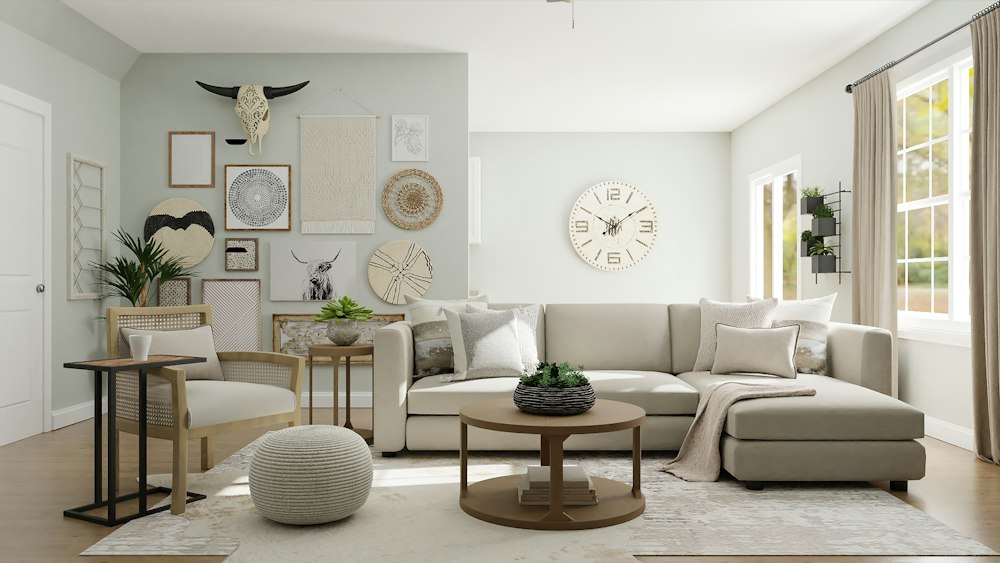
7. Statement Sofas in Rich, Unexpected Colors
Neutral furniture will always have a place in home design, but colorful sofas offer an opportunity to make a living room more personal. Rich shades such as burgundy, forest green, deep teal, rust, and muted blue can turn a practical seating area into a distinctive design feature.
In 2026, homeowners looking for more character may find that a colorful sofa creates a stronger focal point than a room filled with matching neutral furniture.
Choosing a Color That Works
The best sofa color depends on your existing walls, flooring, lighting, and decorative style. A deep green sofa can complement warm wood and cream walls, while burgundy creates an elegant contrast against beige or pale gray. Rust and terracotta work particularly well with natural materials, woven textures, and earthy accessories. Deep teal can bring richness to a contemporary space without feeling as conventional as navy.
How to Style a Statement Sofa
Allow the sofa to take center stage. Keep the main wall color relatively simple and repeat the sofa's color in one or two smaller accessories, such as artwork or a cushion. For example, a burgundy sofa can look sophisticated with warm white walls, a dark wooden coffee table, and brass-toned accents. A forest-green sofa pairs beautifully with cream textiles and natural oak.
Before committing to a bold color, obtain an upholstery sample and view it at different times of day. Strong sunlight and warm indoor bulbs can change how a fabric appears. If replacing a sofa is not practical, colorful cushions or a carefully selected throw can introduce a similar palette at a lower cost.
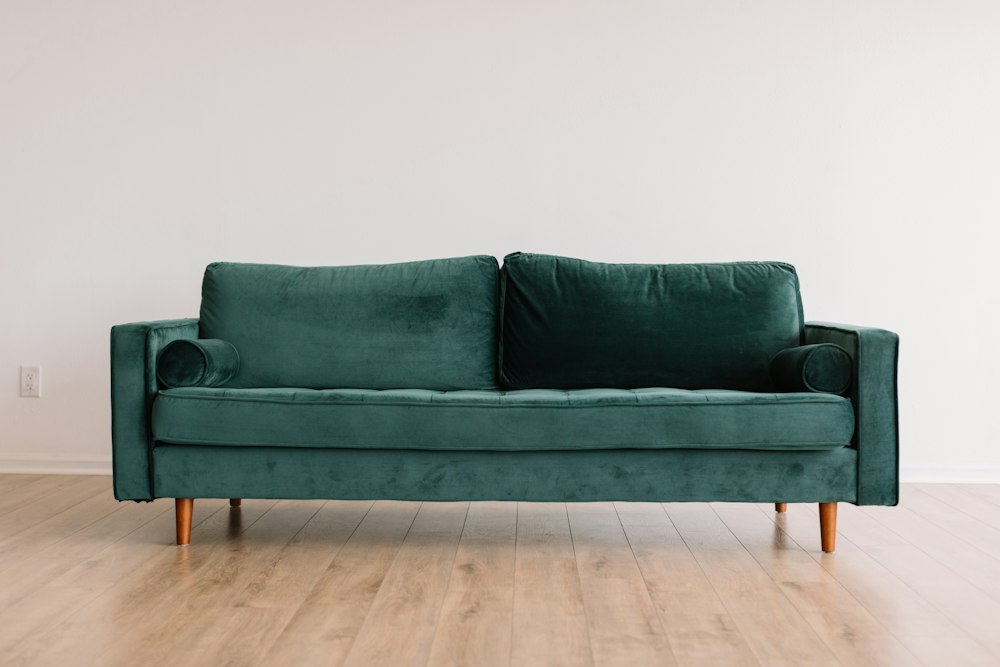
8. Deep, Comfortable Sofas Designed for Lounging
Comfort is not simply a bonus when choosing a sofa. It is one of the most important considerations for furniture that may be used every day.
Deep-seat sofas, generously padded cushions, supportive backs, and spacious sectional designs appeal to homeowners who want a living room that encourages relaxation rather than formal sitting.
What Makes a Sofa Comfortable?
Comfort depends on more than cushion softness. Seat depth, seat height, back support, cushion filling, and the firmness of the frame all influence how a sofa feels. A deep sofa may be excellent for stretching out or curling up with a book, but it might be less comfortable for shorter adults who prefer their feet to rest flat on the floor. Similarly, a very soft seat may feel luxurious initially but provide less support for people who prefer a firmer sitting position.
How to Style a Relaxed Sofa
Choose upholstery in a warm neutral shade and add oversized cushions in complementary fabrics. A soft throw, a generously sized rug, and warm lighting can turn the seating area into a comfortable retreat. For a family-friendly living room, consider durable upholstery, removable cushion covers, and cushions that can be rotated to distribute wear.
If you frequently entertain guests, make sure the sofa provides enough upright seating as well as lounging space. A living room should be comfortable for both relaxing alone and spending time with other people.
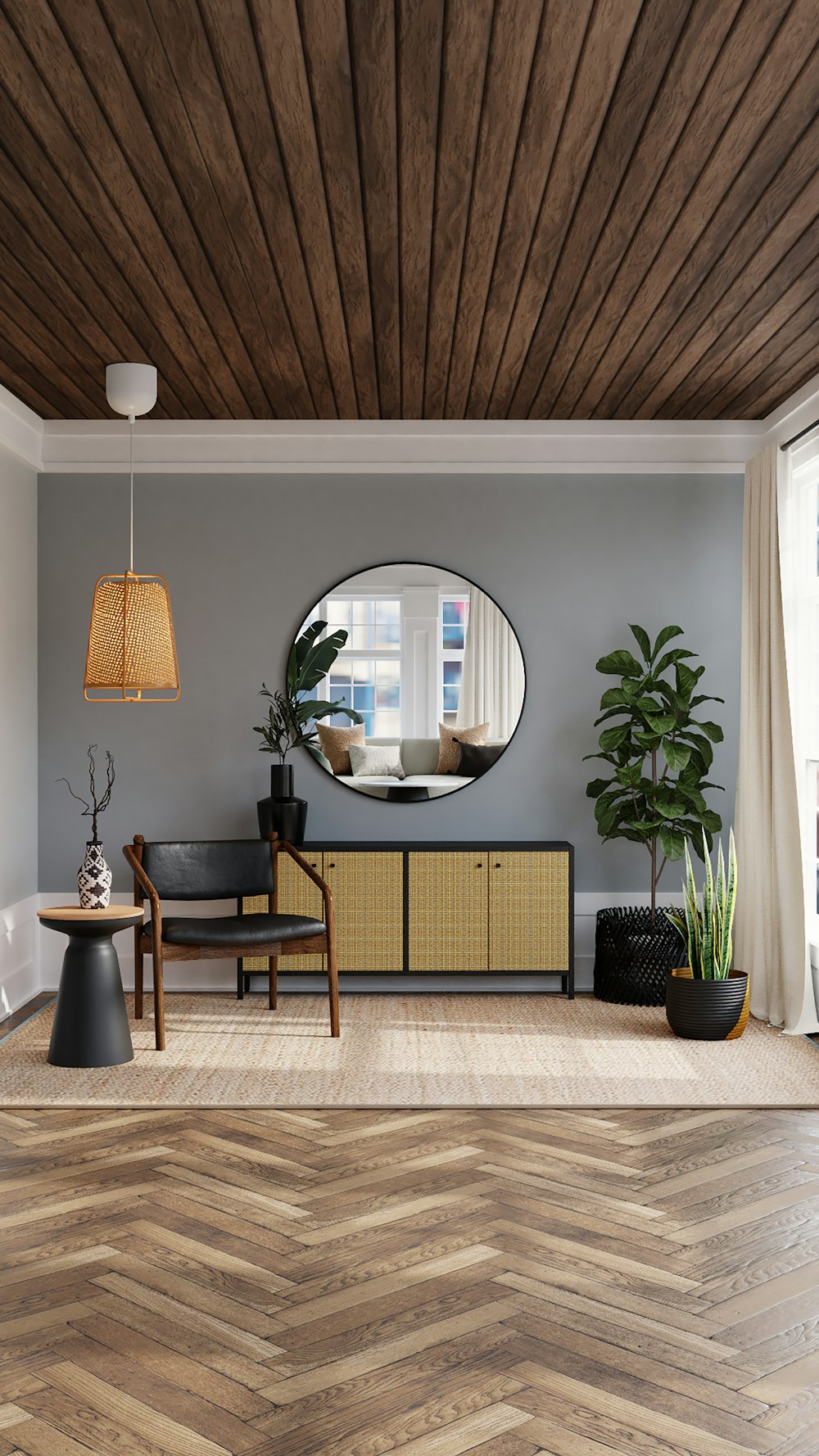
9. Sustainable Materials and Long-Lasting Sofa Designs
As homeowners become more conscious of what they purchase, durability and material transparency are important considerations when choosing furniture.
A sofa that lasts for many years can reduce the need for frequent replacements. Instead of buying furniture solely because it matches a short-lived trend, shoppers are increasingly encouraged to consider construction quality, repairability, and the materials used.
What to Look for in a Better-Made Sofa
Start with the frame. Ask the manufacturer what material is used and whether the frame has a warranty. Look for clear information about cushion fillings, upholstery composition, and the availability of replacement covers or parts. Certifications can be useful when relevant to the particular material or environmental claim, but always check what a certification actually covers.
Natural fabrics, recycled fibers, responsibly sourced wood, and replaceable upholstery may be worth considering, depending on your budget and priorities. However, no single material is automatically the most sustainable in every situation. Maintenance also matters. A well-cared-for sofa that remains comfortable and attractive for years may be a better purchase than an inexpensive model that needs replacing quickly.
How to Create a Timeless Look
Choose a versatile shape and a color that complements your home's permanent features. Cream, brown, muted green, and warm gray can work well across several decorating styles. You can update the appearance later with new cushion covers, throws, or artwork instead of replacing the entire sofa.
10. Vintage-Inspired Sofas with Modern Comfort
Vintage-inspired furniture brings personality and a sense of history to contemporary homes. Sofas with rounded arms, tapered wooden legs, button detailing, or mid-century proportions can create a distinctive look without making the entire room feel traditional.
Rather than reproducing an old-fashioned living room, the idea is to combine classic design elements with modern comfort and contemporary accessories.
Why Vintage-Inspired Designs Stand Out
These sofas often feature recognizable silhouettes that remain appealing beyond a single decorating season. Mid-century-inspired designs, for example, can work with modern artwork, simple lighting, and natural wood furniture. Traditional rolled arms and tailored upholstery may suit cottage-inspired interiors, while curved vintage silhouettes can complement eclectic spaces. Vintage furniture also allows homeowners to introduce character through secondhand finds or restored pieces, potentially making the room feel more individual.
How to Style a Vintage-Inspired Sofa
Combine a classic sofa with a contemporary rug, modern floor lamp, and a simple coffee table. Avoid matching every piece to the same historical period; mixing old and new furniture generally creates a more relaxed and personal interior. If buying a genuine vintage sofa, inspect the frame, springs, upholstery, and overall condition. Professional reupholstery may be worthwhile for a well-built piece, but compare the restoration cost with the price of a suitable new sofa. For a modern interpretation, look for a vintage-inspired frame with updated cushioning and durable fabric.
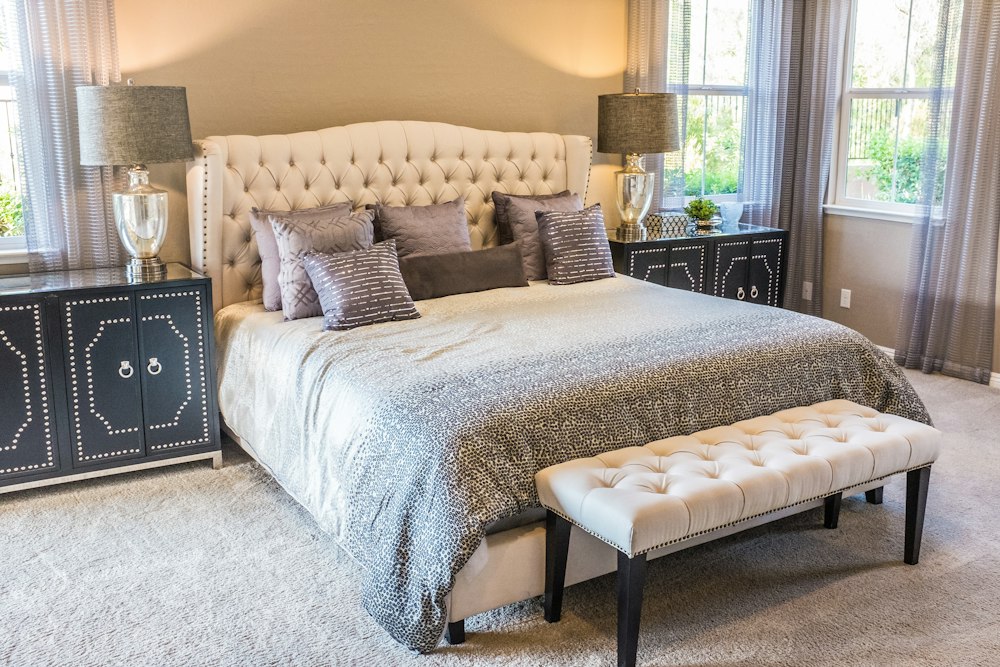
How to Choose the Right Sofa Trend for Your Home
With so many attractive options, choosing a sofa can feel overwhelming. The best design is not necessarily the most fashionable one; it is the one that fits your space, lifestyle, and budget. Here are five practical considerations before you buy.
1. Measure Your Living Room
Measure the available floor space, doorway widths, staircases, and the route from your home's entrance to the living room. Use masking tape to outline the sofa's dimensions on the floor so you can judge how much room remains for walking and other furniture.
2. Match the Sofa to Your Lifestyle
A household with children or pets may benefit from durable, easy-clean upholstery. Someone who regularly entertains guests might prefer a sectional or modular arrangement, while a small apartment owner may need a compact sofa with a lighter visual profile.
3. Consider Your Existing Color Palette
Look at your walls, flooring, curtains, and major furniture pieces. A sofa should complement these features rather than compete with them. If you frequently change your decor, a neutral sofa may offer more flexibility.
4. Test Comfort Before Buying
Whenever possible, sit on the sofa before making a purchase. Check the seat depth, back support, cushion firmness, and arm height. If shopping online, review the dimensions, return policy, warranty, and customer feedback carefully.
5. Think Beyond Short-Term Trends
A statement sofa can be a wonderful investment if you genuinely love the design. However, if you are uncertain about a bold shape or color, consider using trend-led accessories to introduce that style without committing to a costly furniture replacement.
Final Thoughts
The hottest sofa trends for 2026 show that modern living rooms can be both stylish and genuinely comfortable. Curved silhouettes add sculptural interest, chocolate-brown upholstery creates warmth, and textured neutral fabrics bring depth to understated interiors. Modular designs offer flexibility, while colorful statement sofas and vintage-inspired pieces make room for individual expression.
At the same time, practical features such as durable upholstery, comfortable seating, and long-lasting construction remain just as important as appearance.
You do not have to follow every trend to create a beautiful living room. Start with the style that best suits your home, choose materials that fit your everyday routine, and build the rest of the room around the sofa. Whether you prefer a cozy cream sectional, a dramatic burgundy couch, or a sculptural curved design, the right sofa can help transform your living room into a space that feels welcoming, personal, and timeless.
Which sofa trend would you choose for your living room in 2026: warm brown, soft neutral, bold color, or a modern curved design?
Frequently Asked Questions
What sofa colors are popular for 2026?
Warm neutrals, chocolate brown, caramel, muted green, burgundy, and other rich earthy shades are appealing choices for contemporary living rooms. The best color depends on your existing decor, lighting, and personal preferences.
Are curved sofas still in style in 2026?
Curved sofas remain a stylish option for modern and organic-inspired interiors. Their rounded silhouettes can soften a room's appearance and create a distinctive focal point.
What is the best sofa style for a small living room?
Compact two- or three-seat sofas, streamlined designs, and appropriately sized modular sofas can work well in small living rooms. Measure carefully and leave enough clearance for comfortable movement.
Are neutral sofas a good investment?
Neutral sofas offer decorating flexibility because they work with many accent colors and styles. Choosing durable upholstery and a well-constructed frame can help make the purchase more practical over the long term.
Which sofa fabric is easiest to maintain?
Performance fabrics and tightly woven upholstery can be practical options for busy households, but maintenance varies by material and finish. Check cleaning instructions, stain resistance, and warranty conditions before buying.
How can I make my existing sofa look more modern?
Update your cushions, add a textured throw, introduce a contemporary rug, and adjust the surrounding lighting. A new coffee table or a carefully styled arrangement of accessories can also refresh the room without the expense of replacing the sofa.
Are expensive sofas always better?
Not necessarily. Price alone does not guarantee comfort or durability. Compare frame construction, cushion quality, upholstery, warranties, repair options, and return policies to determine whether a sofa offers good value.